Research from Virginia Polytechnic Institute is developing novel thermal management methods for disaggregated lunar infrastructure, addressing a gap in existing solutions built for larger spacecraft.
Search
54 results for Lunar Missions

Research from Virginia Polytechnic Institute is developing novel thermal management methods for disaggregated lunar infrastructure, addressing a gap in existing solutions built for larger spacecraft.
A spent SpaceX Falcon 9 upper stage struck the Moon near Einstein Crater. Here is what crashed, why it happened and what scientists can learn.

NASA astronaut Deniz Burnham will embark on her first mission to the International Space Station, serving as an Expedition 76 flight engineer, launching aboard the Roscosmos Soyuz MS-30 spacecraft.
NASA and its partners will hold two media briefings on Monday to outline the SpaceX Crew-13 mission, with astronauts and mission leaders set to discuss preparations before launch
Japanese Scientists Readying Mission Mars’ Moons Retrieve Samples has moved into focus in artificial intelligence coverage. Japanese scientists are readying a mission to Mars’ moons to retrieve samples that

NASA’s Psyche mission captured an enhanced-color mosaic of Mars during a May 15, 2026 flyby, showing craters, ridges, wind streaks and volcanic plains in the planet’s southern highlands

NASA and Blue Origin have agreed to use the B-2 test stand at Stennis Space Center for second-stage hot fire testing of New Glenn as part of future Artemis work
Voyager Technologies CEO Dylan Taylor says regular human work and travel to the Moon could become realistic by the early 2030s.

The Republic of Mauritius has officially joined the Artemis Accords, becoming the 70th signatory and the seventh African country to commit to responsible space exploration.

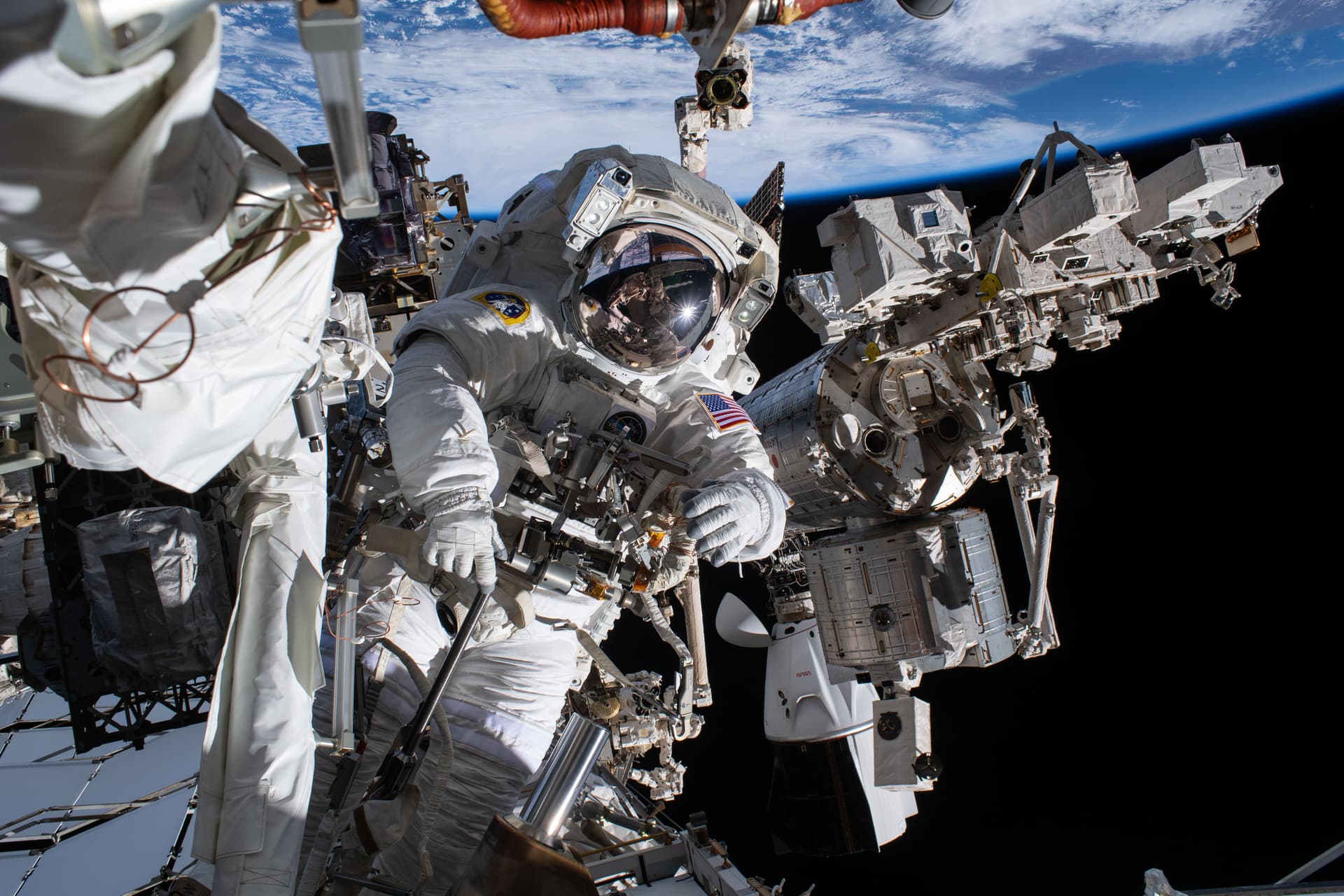
NASA astronaut Chris Williams is set to return to Earth after an eight-month first stay on the International Space Station, where he helped with research, repairs and spacewalks.

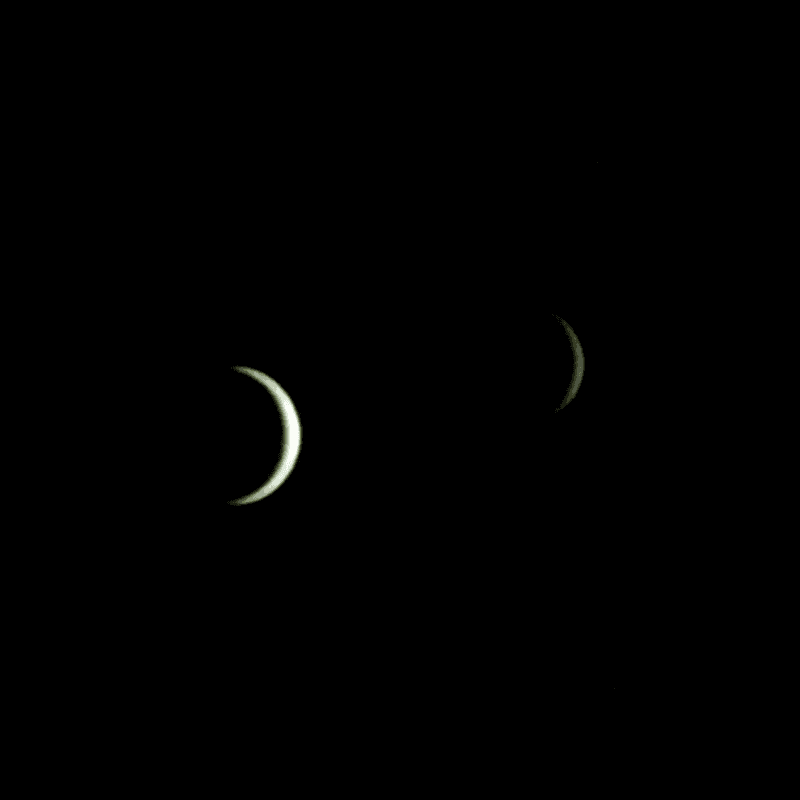
NASA’s ESCAPADE spacecraft photographed Earth and the Moon in visible and thermal infrared light while traveling toward Mars, showing both worlds as crescents

NASA has opened media accreditation for the Roman Space Telescope launch and the SpaceX Crew-13 mission, both scheduled for liftoff in the coming months

NASA astronaut Chris Williams will brief reporters on his recent eight-month International Space Station mission during a news conference from Johnson Space Center in Houston
NASA's Nancy Grace Roman Space Telescope has launched from Florida on a mission to study dark energy, dark matter and distant exoplanets.

NASA’s Psyche mission captured a composite sequence showing Mars changing from a thin crescent to a fuller view as the spacecraft moved closer during its May 2026 gravity assist

NASA is using International Space Station experiments to test compact medical, exercise, robotic and radiation tools for longer Moon and Mars missions.
SpaceX sets launch turnaround record with 2 Falcon 9 is one of the latest items found in the active RSS feeds, and it has enough public interest to deserve a fuller article rather than a bare headline. The

NASA’s Psyche spacecraft used Mars for a gravity assist on May 15, 2026, while new images show the planet’s crescent widening during the approach

South Korea says no final decision has been made on a possible military contribution near the Strait of Hormuz as US pressure grows.
Families of USS Abraham Lincoln sailors are raising concerns about fatigue, food, plumbing and mental health after nearly nine months at sea.

WHO and Africa CDC are calling for faster detection, contact follow-up and community-led action as the Ebola response in the DRC faces severe pressure.

France has permanently closed its Consulate General in Karachi after five decades, while retaining diplomatic, business and cultural links in Pakistan.

NASA’s health office has formed a working group to review new venous thromboembolism case information and astronaut blood-flow findings as it continues work on a VTE risk score for astronauts

NASA's Innovative Advanced Concepts program announced its 2026 Phase I selections, including a Jet Propulsion Laboratory-led concept using a controllable dust cloud to dim the sun and reduce solar insolation.