France Tightens Protest Controls as Court Allows Paris Rally
France tightens protest controls before October 24 while a court overturns a Paris ban and permits a rally under police supervision.
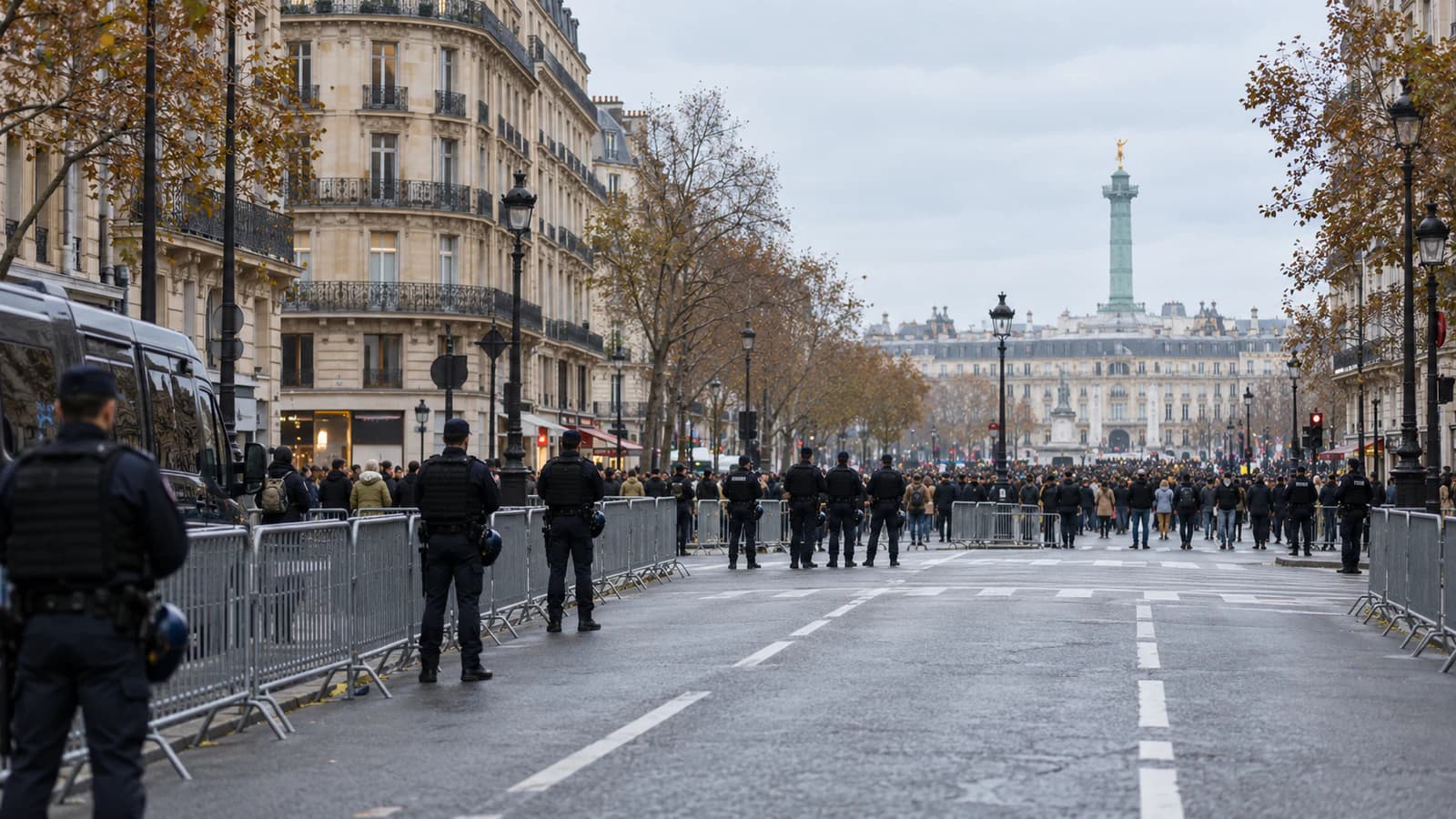
Image credit: AI-generated editorial illustration by OpenAI
France has moved to restrict demonstrations considered likely to threaten public order, while an administrative court overturned a ban on a Paris rally and allowed thousands of people to gather under heavy police supervision on Thursday.
President Emmanuel Macron said prefects would prohibit protest requests filed by individuals or groups that authorities consider to lack legitimate standing. Recognised trade unions seeking to demonstrate would instead be offered alternative routes designed to keep marches away from vulnerable public buildings and commercial areas.
The policy follows widespread violence and looting during protests on October 17 and comes ahead of another major mobilisation planned for Saturday, October 24. It also faces immediate legal limits: French courts can suspend restrictions that they consider insufficiently justified or disproportionate.
Paris court overturns a ban
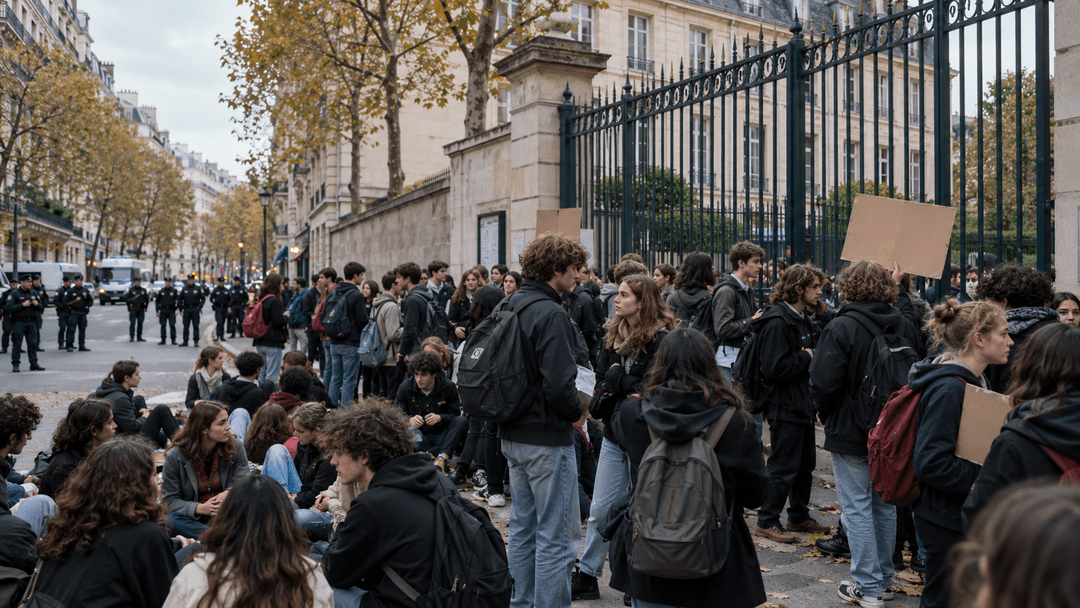
The Associated Press reported that thousands of protesters gathered peacefully in southeastern Paris on October 22 after an administrative court lifted a police ban. Organisers agreed that the demonstration would remain stationary because of the risk of violence.
The ruling illustrates the balance the government must navigate between public-order responsibilities and the protected right to peaceful assembly. Prefects can restrict or prohibit events where there is a serious security risk, but organisers can challenge those decisions through the administrative courts.
Authorities in other cities maintained or introduced restrictions. Local measures have varied by location and include protest bans, targeted curfews and limits on movement in areas affected by previous disorder.
Macron's announcement did not eliminate that case-by-case legal process. Instead, it set a broad political direction for prefects as they assess applications and intelligence ahead of the weekend.
Government acknowledges security failures
Macron convened ministers, intelligence officials and senior administrators to review the response to the previous weekend's violence. He acknowledged failures in anticipation and said organised groups had exploited the demonstrations to attack institutions and businesses.
Reuters reported that the president blamed what he described as seditious ultra-left groups and vandals for much of the disorder. Political opponents and civil-liberties advocates are likely to scrutinise whether that characterisation is used too broadly against peaceful protesters.
The unrest developed on the margins of nationwide demonstrations over the cost of living, fuel prices, education and public services. Many participants protested peacefully, while smaller groups clashed with police, looted shops, burned vehicles and damaged public buildings.
The government has therefore sought to distinguish authorised union marches from decentralised gatherings that may have no clearly accountable organiser. That distinction can help police negotiate routes and safety arrangements, but it does not automatically determine whether an event is peaceful or lawful.
Alternative routes for union marches
Macron said prefects would propose alternative routes to trade unions that still planned to demonstrate. The aim is to move large gatherings away from government buildings, shopping districts and sites considered difficult to secure.
Route negotiation is a familiar part of protest management in France. Organisers generally notify authorities in advance, allowing police and local officials to assess the proposed time, location and route. A prefect may seek changes or issue a ban where officials believe there is a serious risk to public order.
Le Monde's explanation of French protest rules notes that mayors and prefects can restrict or prohibit demonstrations on security grounds. Courts remain available to review those orders, often on an urgent timetable.
The Paris decision shows why the coming weekend cannot be described as a simple nationwide ban. Some demonstrations may proceed under negotiated conditions, while others may be prohibited and then challenged.
October 24 becomes the next security test
Student organisations, labour activists and members of the decentralised Yellow Vest movement have called for renewed action on Saturday. Because the groups do not all share a single organising structure, authorities may face several applications as well as gatherings that have not been formally declared.
Police deployments are expected around transport hubs, government buildings and commercial districts. Shopkeepers in some areas have been advised to strengthen security, while residents and travellers may face route changes or temporary closures.
The central challenge is to prevent a repeat of looting and arson without treating peaceful participants as responsible for crimes committed by others. Heavy restrictions could reduce opportunities for disorder, but they could also intensify anger if courts find them excessive or protesters view them as an attempt to suppress legitimate grievances.
Thursday's peaceful Paris gathering provided an early indication that a court-approved protest could take place under strict conditions. Saturday will present a larger test because participation is expected from several movements and events are planned across the country.
France enters the weekend with more police, tighter local restrictions and a government determined to demonstrate control. Whether that strategy restores calm will depend on the conduct of protesters, the precision of official orders and the willingness of courts to uphold or modify the measures placed before them.
Source links
Comments
No approved comments yet.