NASA-Backed Research Tackles Thermal Control for Small Lunar Missions
Research from Virginia Polytechnic Institute is developing novel thermal management methods for disaggregated lunar infrastructure, addressing a gap in existing solutions built for larger spacecraft.
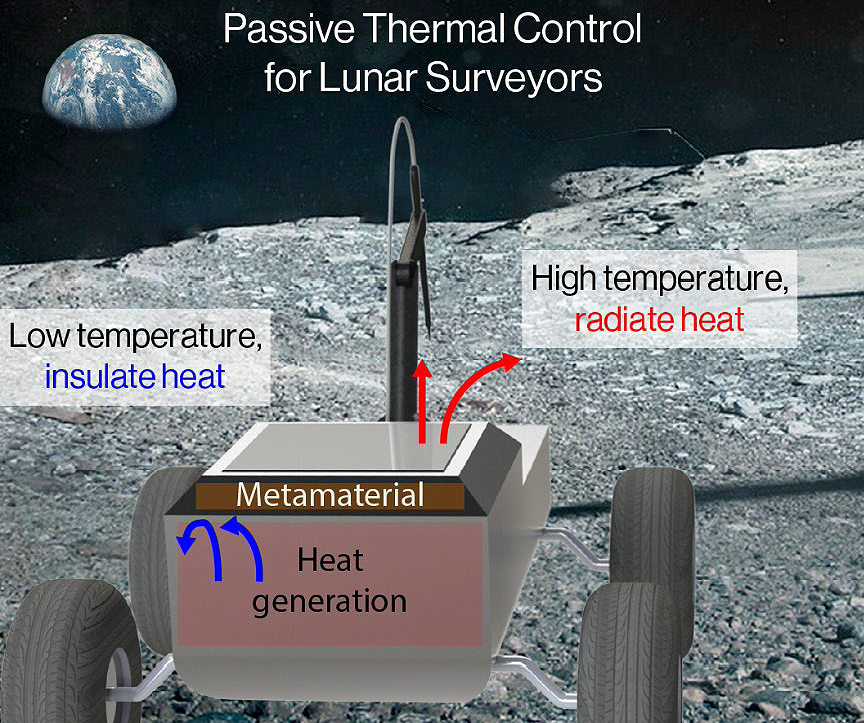
Surviving the moon's brutal temperature swings has always been one of the harder engineering problems in lunar exploration, and a new NASA-backed research project is tackling it specifically for a category of mission that existing solutions were never designed to handle.
The Problem With Small, Disaggregated Missions
The research, based at Virginia Polytechnic Institute and State University, addresses what its authors describe as disaggregated lunar infrastructure, smaller, distributed systems rather than a single large, self-contained spacecraft. That shift toward smaller, more numerous lunar assets creates a genuine thermal management gap, since existing insulation and temperature control solutions were largely engineered for the thermal mass, power budgets and design assumptions of much larger spacecraft, not compact, individually deployed surveyor units.
Why The Moon's Temperature Extremes Matter So Much
Lunar surface temperatures swing dramatically between scorching daytime highs and brutally cold nighttime lows across the roughly two-week lunar day and night cycle, extremes that stress spacecraft electronics and structural components far more than anything most terrestrial engineering has to account for. Any hardware left exposed on the lunar surface needs some form of active or passive thermal management simply to survive that cycle intact, let alone continue operating scientific instruments through it.
A Passive, Variable Approach
The research specifically explores a variable conductivity insulator, a passive thermal control approach that does not rely on power-hungry active heating or cooling systems to manage temperature swings. For smaller, disaggregated lunar assets operating with limited onboard power budgets, a passive solution carries obvious appeal, since it protects sensitive components from extreme temperatures without consuming power that would otherwise go toward the mission's actual scientific or operational objectives.
Why This Fits Into NASA's Broader Innovation Pipeline
Research like this typically emerges through NASA's early-stage innovation programs, which fund promising but unproven concepts specifically to determine whether they merit further development toward eventual mission-ready hardware. A successful variable conductivity insulator would not immediately fly on a lunar mission, but validating the underlying concept is exactly the kind of foundational step that determines whether more advanced, mission-specific versions eventually get built and tested for real lunar deployment.
What Comes Next
If the underlying thermal management approach proves out through further testing, it could directly enable the kind of smaller, distributed lunar infrastructure NASA and its partners have increasingly discussed as part of longer-term lunar exploration plans, multiple smaller assets working together rather than a single large, expensive spacecraft carrying all the mission's capability. That shift toward disaggregated lunar architecture depends on solving exactly this kind of foundational engineering problem first.
University-based research partnerships like this one also play a broader role in NASA's innovation strategy, tapping into specialized academic expertise the agency's own internal teams may not have readily available in-house, while giving graduate researchers direct, real-world exposure to problems tied to actual future space missions rather than purely theoretical exercises. That kind of collaboration has repeatedly produced technologies that outlived their original research grant, eventually finding their way into flight-ready hardware years after the initial concept work began.
Comments
No approved comments yet.