Space update: Media accreditation open launch NASA’s Nancy Grace Roman
NASA Invites Media to Roman Space Telescope and Crew-13 Launches NASA has opened media accreditation for two upcoming human spaceflight and science missions: the Nancy Grace Roman Space Telescope and SpaceX Crew-13. The…
NASA Invites Media to Roman Space Telescope and Crew-13 Launches
NASA has opened media accreditation for two upcoming human spaceflight and science missions: the Nancy Grace Roman Space Telescope and SpaceX Crew-13. The agency says both launches are expected in the coming months, giving media outlets an opportunity to request access in advance of two high-profile departures from Florida’s Space Coast.
Roman Space Telescope launch window set for late August
The Nancy Grace Roman Space Telescope is currently scheduled to launch no earlier than 7:20 a.m. EDT on Sunday, Aug. 30. NASA says the observatory will fly aboard a SpaceX Falcon Heavy rocket from Launch Complex 39A at Kennedy Space Center in Florida.
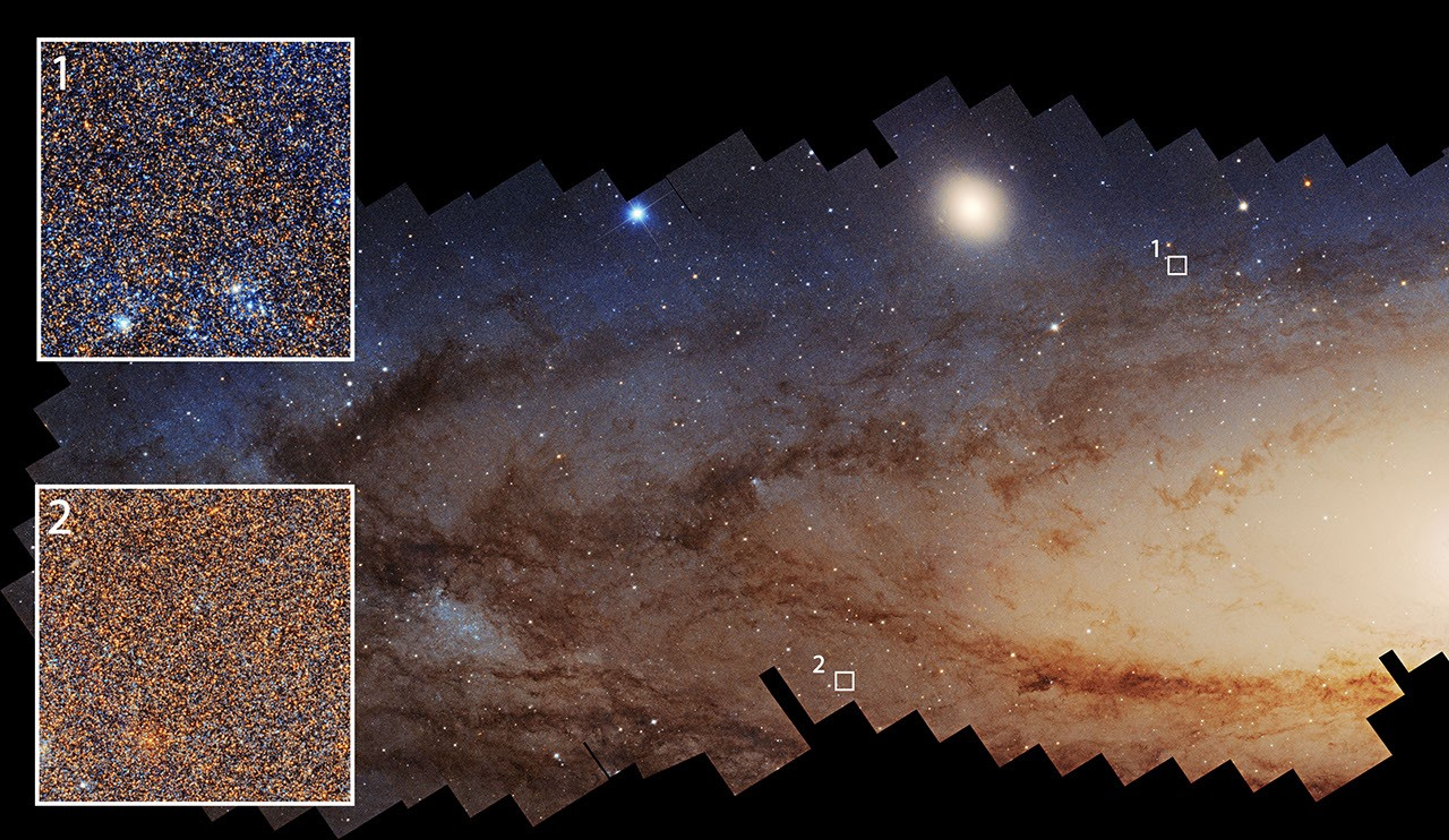
The mission carries added significance because Roman is named after NASA’s first chief astronomer, Nancy Grace Roman. According to NASA, the observatory is designed to provide a deep, panoramic view of the cosmos and to produce never-before-seen pictures. Those images are expected to broaden scientific understanding of the universe, though the agency did not provide additional technical detail in the release.
For NASA, the Roman launch represents one of the agency’s major science milestones on the calendar. A mission of this type combines a large observatory, a heavy-lift launch vehicle and a fixed launch site with a long-standing role in U.S. spaceflight history. The announcement underscores that the agency is now preparing not only the hardware and launch services, but also the media access process ahead of launch.
Crew-13 to carry four astronauts and cosmonaut to the station
SpaceX Crew-13 is scheduled to launch no earlier than mid-September from Space Launch Complex 40 at Cape Canaveral Space Force Station. NASA says the mission will transport astronauts Jessica Watkins and Luke Delaney, CSA astronaut Joshua Kutryk and Roscosmos cosmonaut Sergey Teteryatnikov to the International Space Station for a science and research expedition.
The agency describes Crew-13 as its 13th commercial crew rotation mission using SpaceX’s Falcon 9 rocket and Dragon spacecraft. That detail places the flight within NASA’s ongoing commercial crew program, which has become a routine but still closely watched part of station operations. Each rotation mission helps maintain long-duration astronaut presence aboard the International Space Station while supporting research in microgravity.
By pairing the Crew-13 announcement with Roman launch planning, NASA is highlighting a period of concentrated launch activity. The two missions are different in purpose, but both depend on precise coordination among NASA, launch providers and, in the case of Crew-13, international partners. Roman is a science observatory mission, while Crew-13 is a crew transportation flight tied directly to station operations.
Media accreditation now open
NASA says journalists interested in attending either or both launches must apply through the agency’s media accreditation process. The agency also notes that its media accreditation policy is available online. For logistical questions or special requests, NASA lists an email contact for Kennedy Space Center media accreditation, along with a newsroom phone line for other inquiries.
The opening of accreditation is a standard but important step in the launch timeline. It signals that NASA is moving from mission planning into the final public-facing phase before liftoff, with launch dates now posted and the agency preparing for broader coverage.
For observers of space policy and exploration, the announcement offers two clear markers on the launch calendar: a powerful telescope headed for deep-space science and a crew rotation mission bound for the International Space Station. Both are expected to draw attention as their target dates approach, and NASA’s media call indicates the agency is readying for that coverage now.
Comments
No approved comments yet.