
Japan Launches Historic Phobos Sample-Return Mission
Japan launches the MMX spacecraft on a five-year mission to study Phobos and return the first samples from the Mars system.
News Section
Explore published reporting on scientific research, discoveries, institutions and developments affecting society.
Japan launches the MMX spacecraft on a five-year mission to study Phobos and return the first samples from the Mars system.
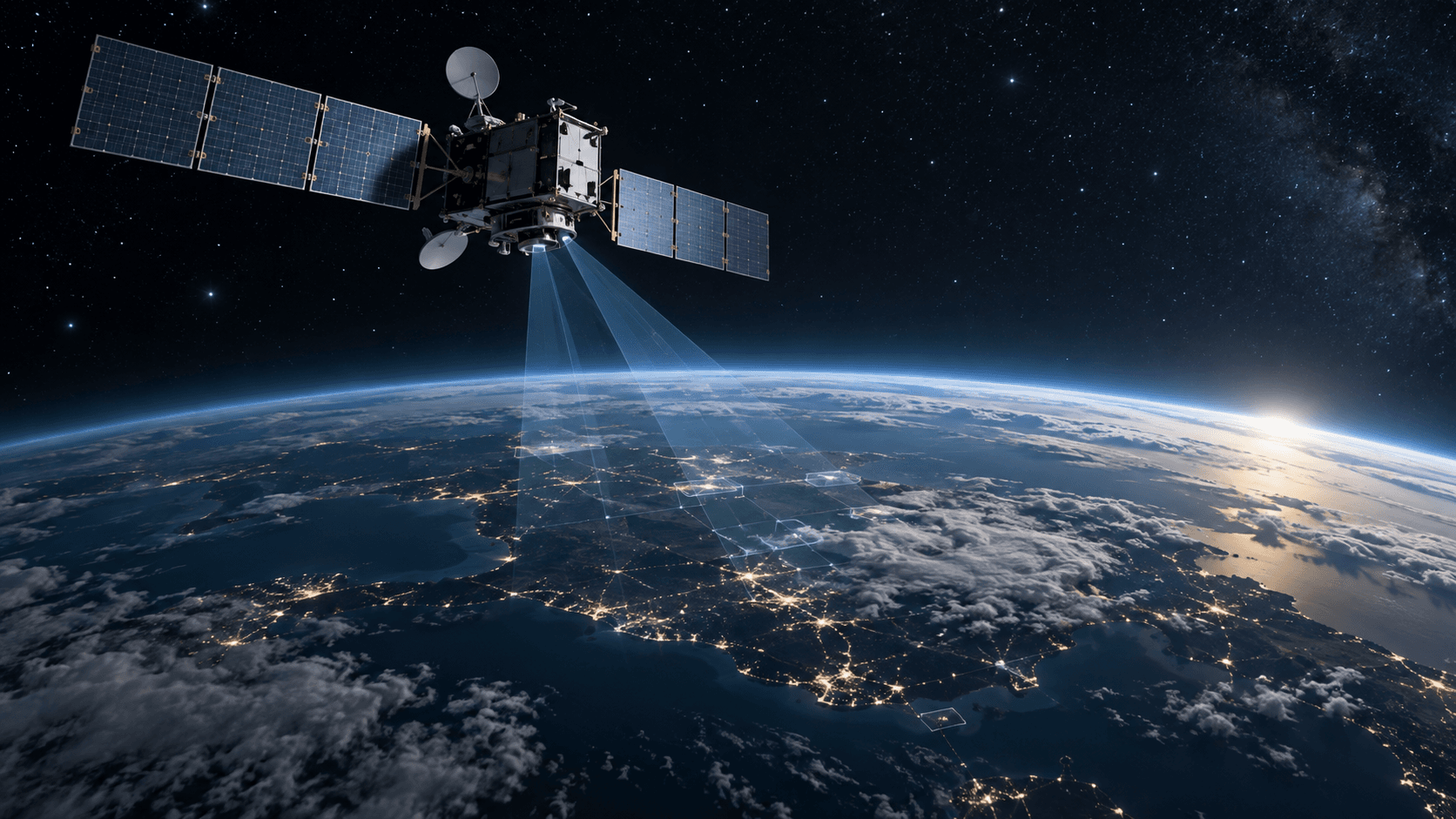
## Washington makes an unusual public admission The United States has publicly acknowledged that it has space-control weapons operating in orbit, a rare admission that immediately sharpened debate over military…

NASA's Innovative Advanced Concepts program has announced 18 Phase I awards totaling $3.2 million, funding early-stage research into technology concepts ranging from hovering robots for lunar lava tube exploration to a…

New Hubble Space Telescope research shows that star formation in the Andromeda galaxy, our closest large galactic neighbor, has been steadily declining for the past 500 million years, with the pace of that decline…

NASA's EPIC camera captured a striking scene on September 1: three tropical cyclones spinning simultaneously across the Pacific Ocean, while the Atlantic basin sat almost silent by comparison, a split-screen snapshot of…

NASA has awarded about $30 million to four university-led aviation projects covering Mach 4 propulsion, safer AI avionics, quieter urban flight and aircraft design.
A volunteer has built a machine-learning tool for NASA-supported Space Cloud Watch to distinguish rare noctilucent clouds from lower-altitude look-alikes.

A new NASA composite of the Tarantula Nebula combines Chandra, Webb and Hubble data to show how a vast stellar nursery releases energy.
NASA's response to viral gravity-loss claims shows how false science posts can ride real eclipse and meteor-shower interest.
The Perseid meteor shower peaks overnight on August 12-13 under a new moon, offering unusually dark conditions for viewers across much of the Northern Hemisphere.

New James Webb Space Telescope images show how radiation from a dying star is reshaping the gas and dust of NGC 2392, known as the Lion Nebula.

Conservationists and regulators are ramping up efforts to control the spread of giant hogweed, a highly toxic invasive species that causes severe, painful skin blistering upon exposure to sunlight

Farmers in the Vale of Glamorgan are barricading land with concrete and timber to combat illegal hare coursing, as police ramp up patrols to address rising rural intimidation and property damage
The historic Jodrell Bank Observatory faces potential closure by 2028 after the UK Research and Innovation agency withdrew funding. Scientists warn the move will stifle research and hamper future generations of astronomers
NPR’s Short Wave digs into the biology of birdsong, the deep history of avocados and what Egyptian warrior princesses can reveal about the
New research cited by NPR suggests invasive plants and animals can cause greater ecological and economic damage in lower-income countries across the Global South.
As hosepipe restrictions spread in dry weather, BBC Science explains the everyday garden tasks that may still be allowed — and the situations where penalties can follow.
Science Corporation has received European regulatory clearance for its PRIMA vision-restoring chip, a milestone in the company’s broader strategy to build a sustainable brain-computer interface business