Shehbaz Announces Rs160 Billion Development Package for Khyber Pakhtunkhwa
Prime Minister Shehbaz Sharif announces a Rs160 billion KP package focused on merged districts, education, policing and development.

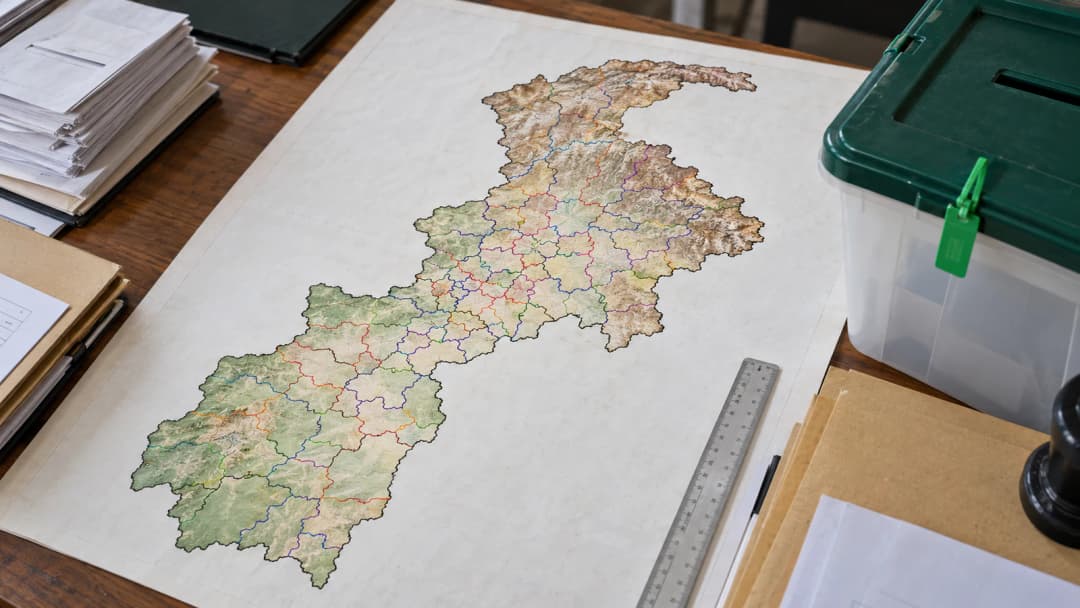
Image credit: AI-generated editorial illustration by OpenAI
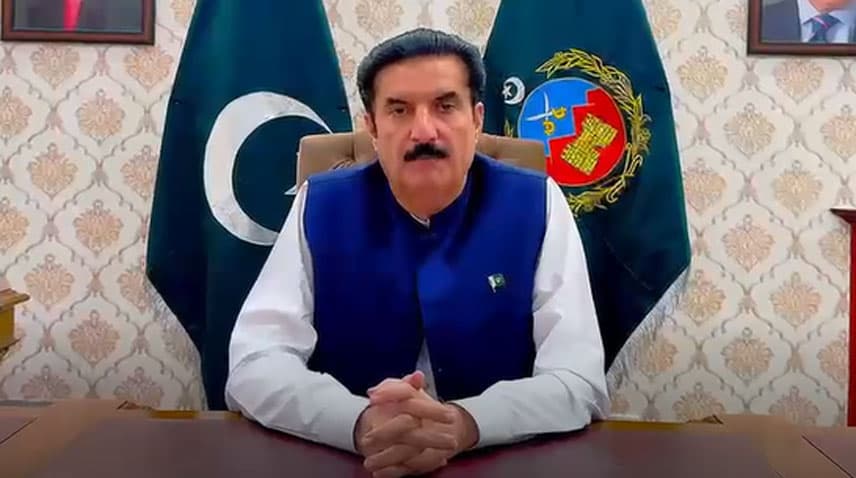
Prime Minister Shehbaz Sharif has announced a Rs160 billion development package for Khyber Pakhtunkhwa, with 70% of the funding intended for the merged districts and the remaining 30% for other parts of the province.
The package was outlined after a federal apex committee meeting in Peshawar on October 22, where civilian and military officials reviewed development priorities and the province's security challenges. Provincial information adviser Samar Haroon Bilour provided details of the announcement following the meeting, according to BOL News and Aaj News.
The government says the package will combine infrastructure and social-sector spending with measures to strengthen the police and Counter Terrorism Department. Its impact will depend on how quickly projects are selected, funded and implemented, particularly in districts affected by years of conflict and gaps in public services.
Merged districts receive the largest share
The decision to direct 70% of the package to the merged districts reflects the scale of their development needs. The former Federally Administered Tribal Areas became part of Khyber Pakhtunkhwa after the constitutional merger, but residents and political representatives have continued to raise concerns about roads, schools, healthcare, employment and the pace of administrative integration.
Based on the announced proportions, about Rs112 billion would be directed toward the merged districts and roughly Rs48 billion toward the rest of the province. The government has not yet published a complete project-by-project breakdown, implementation schedule or disbursement mechanism.
Those details will determine whether the announcement produces measurable improvements. Large development commitments normally require approved schemes, executing agencies, procurement plans and monitoring arrangements before funds translate into completed facilities.
The federal budget for 2026-27 separately includes allocations for the newly merged districts. Radio Pakistan's budget report said Rs95 billion had been earmarked for the merged areas from current expenditure. The newly announced package therefore needs to be understood alongside existing federal and provincial commitments rather than treated automatically as entirely additional spending.
Schools and technical education included
Sharif announced plans to establish Daanish Schools in Bajaur, Lakki Marwat and Chitral. The network is intended to provide quality education to students from lower-income households, with residential facilities forming part of the model used at existing campuses.
The meeting also announced a technical education institute for Dera Ismail Khan. A skills-focused institution could help connect young people with employment in construction, services, engineering and other sectors, but its effectiveness will depend on the courses offered and whether those courses match regional labour demand.
Education projects in remote districts face practical challenges that go beyond constructing buildings. Recruiting qualified teachers, maintaining facilities, ensuring safe transport and keeping students enrolled are essential if the schools are to deliver lasting results.
Police and CTD capacity
Security formed another central part of the meeting. Bilour said the federal government would help meet the operational requirements of the provincial police and CTD on a priority basis.
Earlier in October, provincial officials said they intended to improve training, technology, intelligence support and logistics for law-enforcement agencies. Radio Pakistan reported that authorities also planned to resume delayed work on police lines, stations, checkpoints and Safe City projects.
The focus on policing is significant because development activity in conflict-affected districts depends on a stable security environment. At the same time, security spending and civilian development require separate objectives, budgets and oversight so that progress in one area can be assessed without obscuring shortcomings in the other.
Field Marshal Syed Asim Munir attended the October 22 meeting and briefed participants on threats facing the country, according to Bilour's account. The discussion also paid tribute to people killed in the fight against terrorism, including members of families represented at the meeting.
Wheat supply and federal support
The prime minister also said the federal government would provide wheat from national reserves according to the province's needs. Authorities were directed to ensure that supplies reached consumers at the federal issue price and were not diverted through hoarding.
Food availability and price enforcement can become especially difficult when transport costs rise or supply chains are disrupted. Clear information on the quantity of wheat, delivery schedule and responsible distribution agencies will be needed to judge whether the commitment affects retail prices.
Delivery will be the central test
The Rs160 billion figure makes the package politically and economically important, but the announcement is the beginning of the process rather than its conclusion. The government has yet to release a detailed list of schemes, annual spending targets or a public monitoring framework.
Effective delivery will require coordination among federal ministries, the KP administration, district authorities and security agencies. It will also require transparent procurement and public reporting on how much money has been released and which projects have been completed.
For residents of the merged districts, the most meaningful measures will be functioning schools, reliable roads, accessible healthcare, better policing and employment opportunities. The package creates a substantial funding commitment; its credibility will ultimately rest on whether those outcomes appear on the ground.
Source links
Comments
No approved comments yet.