body { margin: 0; padding: 0; font-family: system-ui, -apple-system, sans-serif; overflow-wrap: anywhere; } Pakistan fuel prices, 2026 Official ex-depot prices (PKR/litre) — OGRA & Ministry of Energy notifications Petrol (MS-92) Diesel (HSD
Search
590 results for daily fuel pricing Pakistan

body { margin: 0; padding: 0; font-family: system-ui, -apple-system, sans-serif; overflow-wrap: anywhere; } Pakistan fuel prices, 2026 Official ex-depot prices (PKR/litre) — OGRA & Ministry of Energy notifications Petrol (MS-92) Diesel (HSD

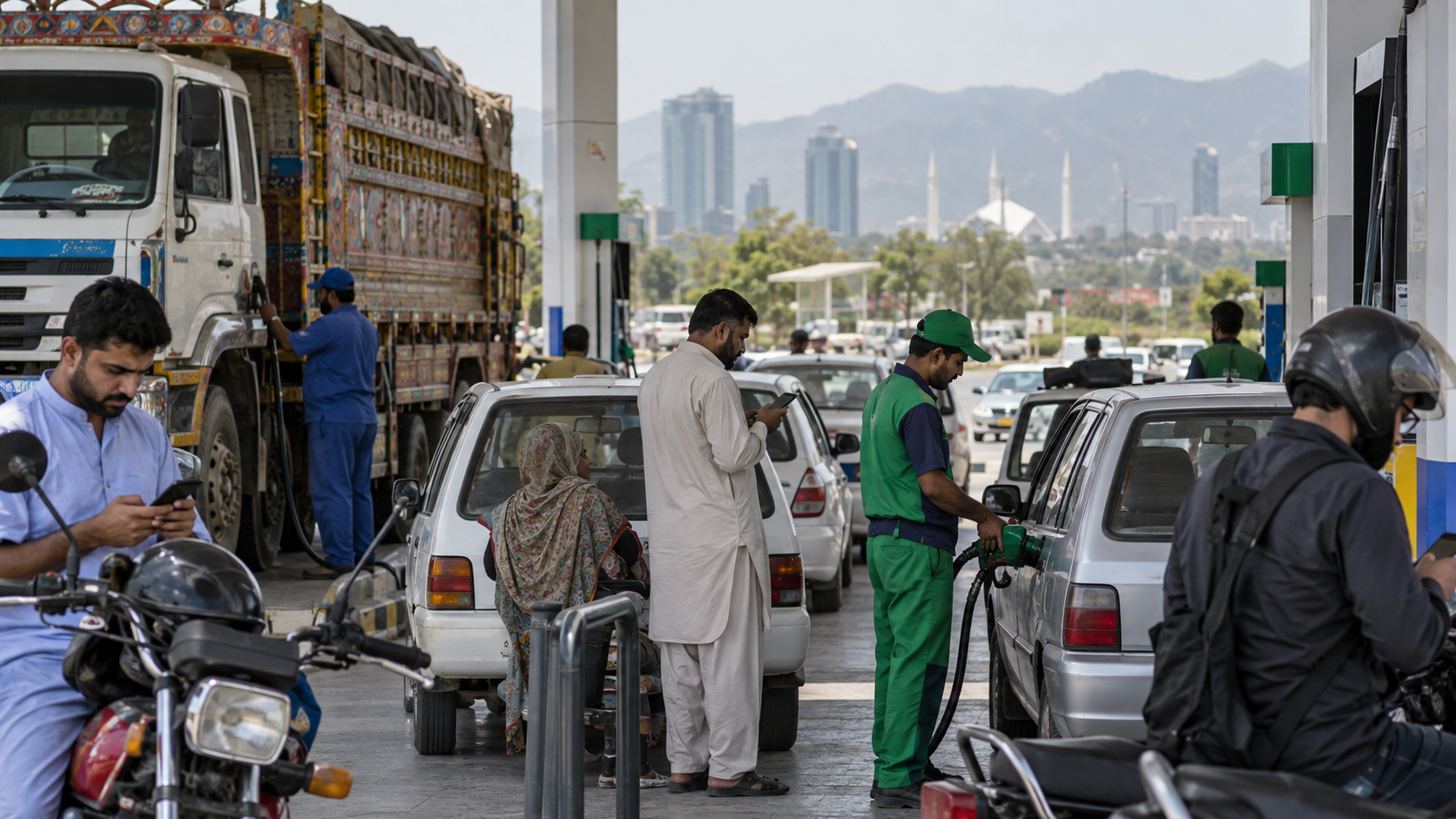
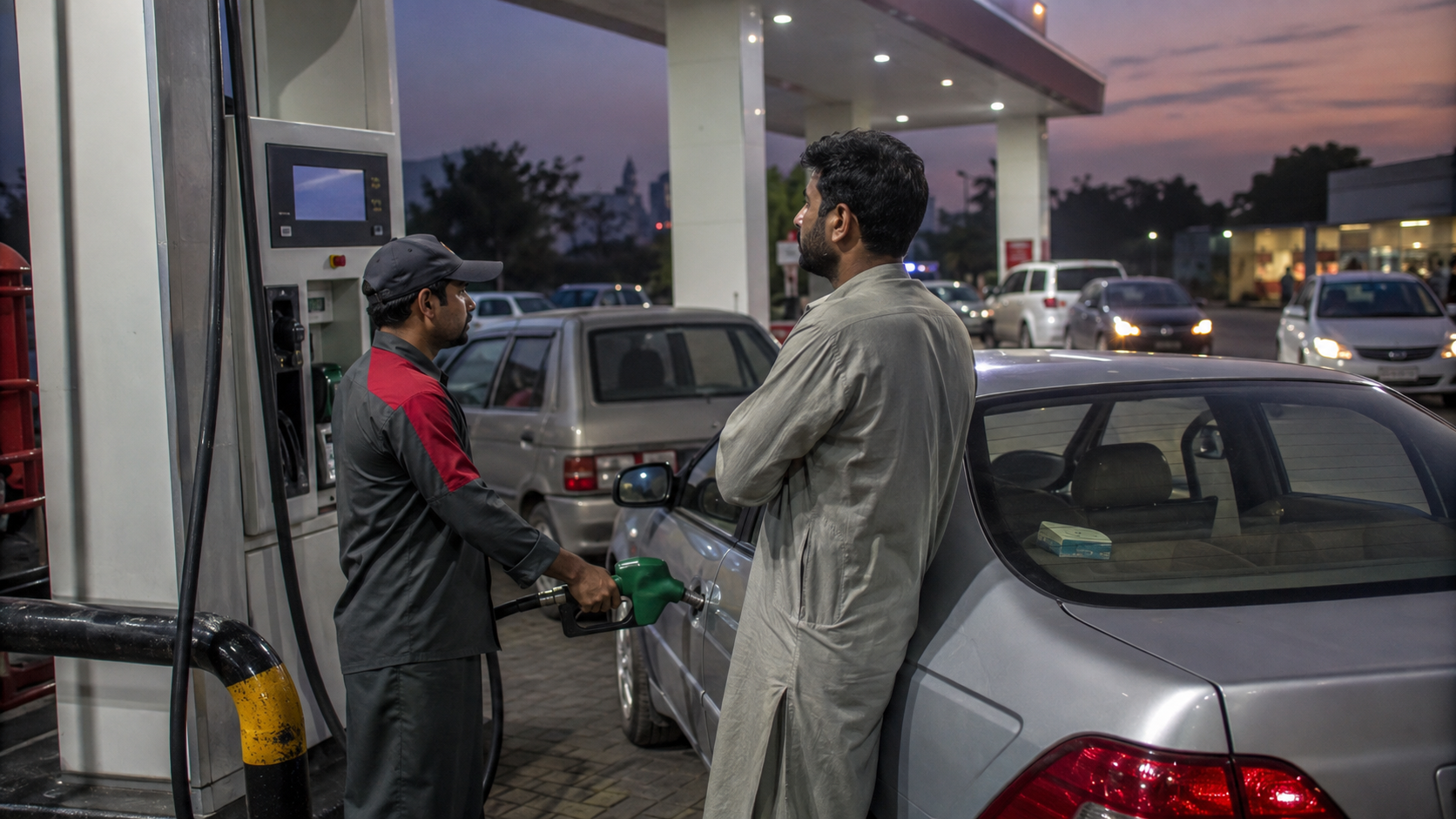
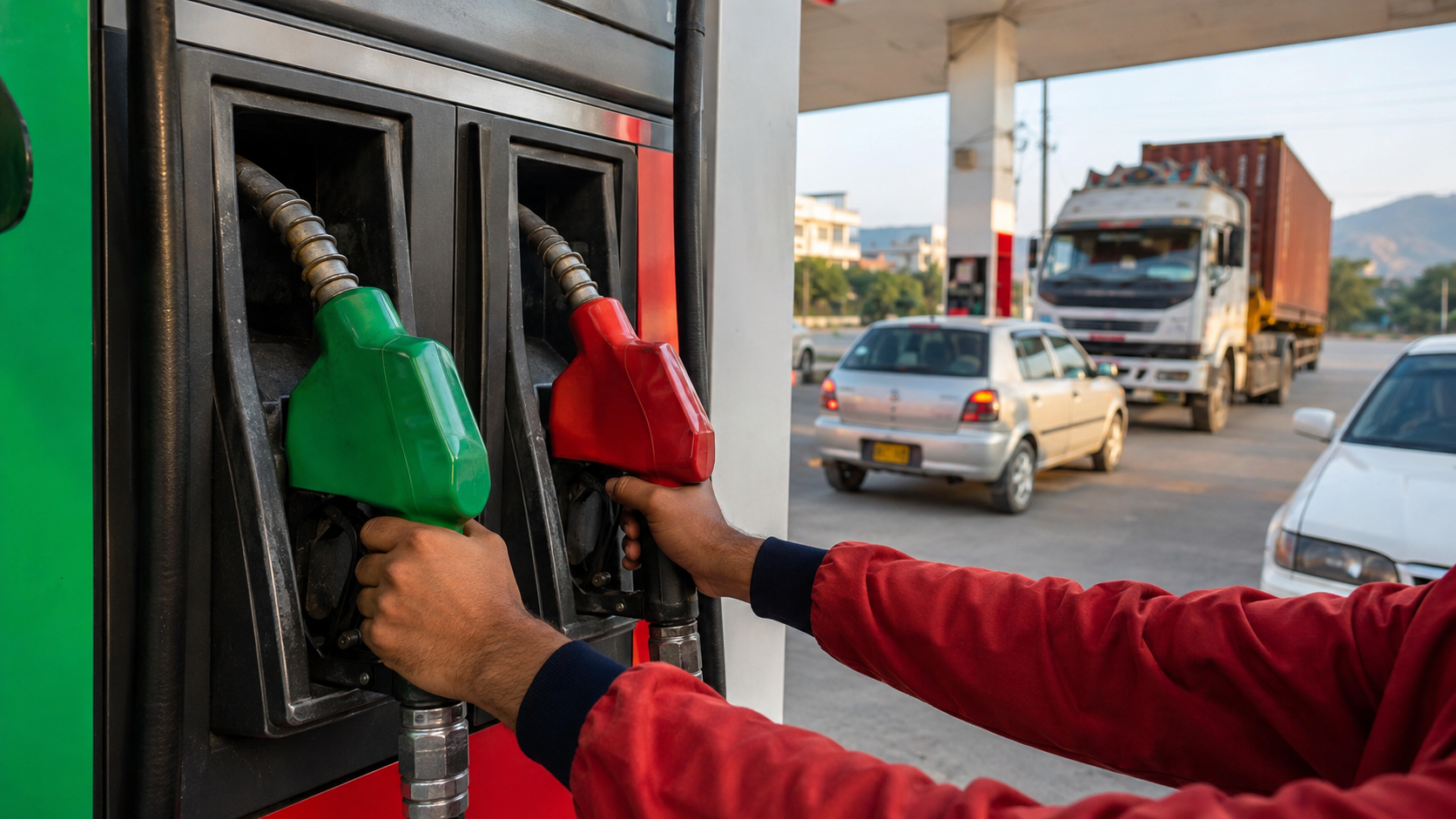
Petrol fell by 12 paisas to Rs336.03 per litre and high-speed diesel by 66 paisas to Rs392.38 under Pakistan's short-cycle fuel pricing system.
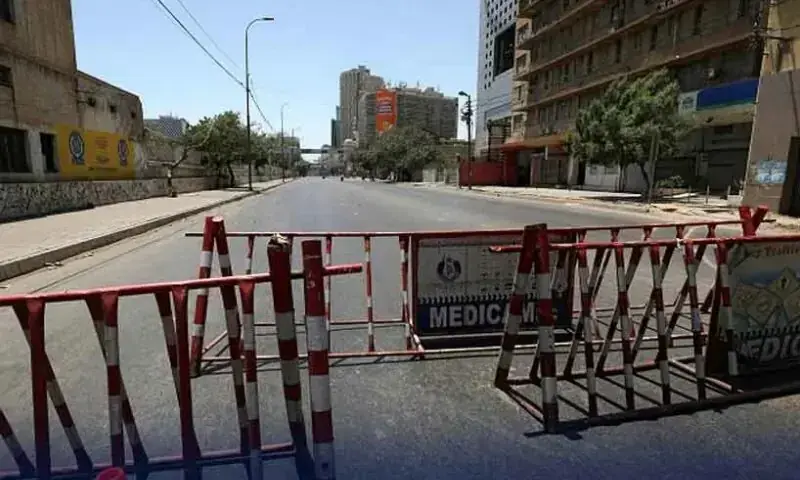
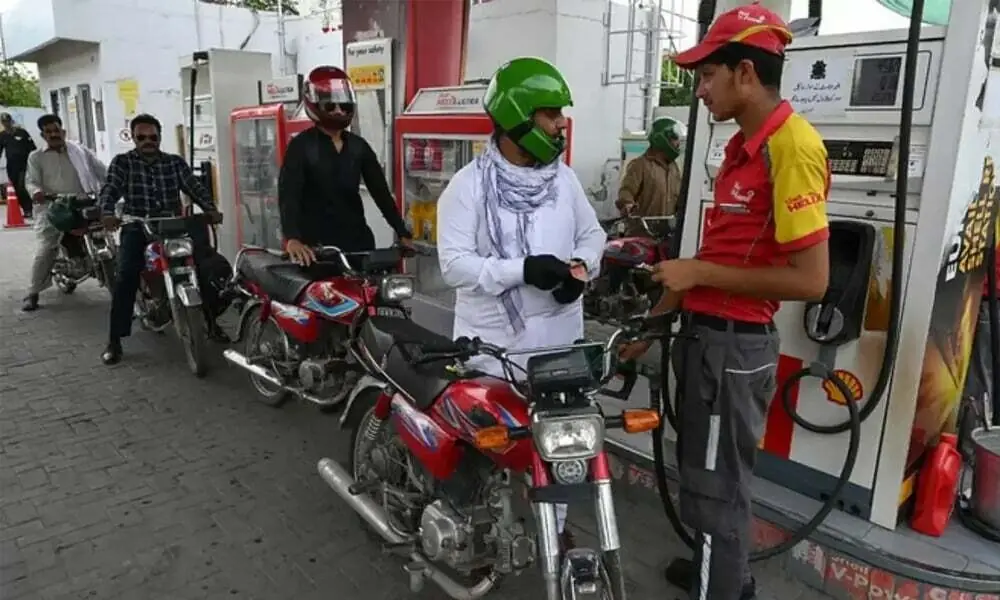
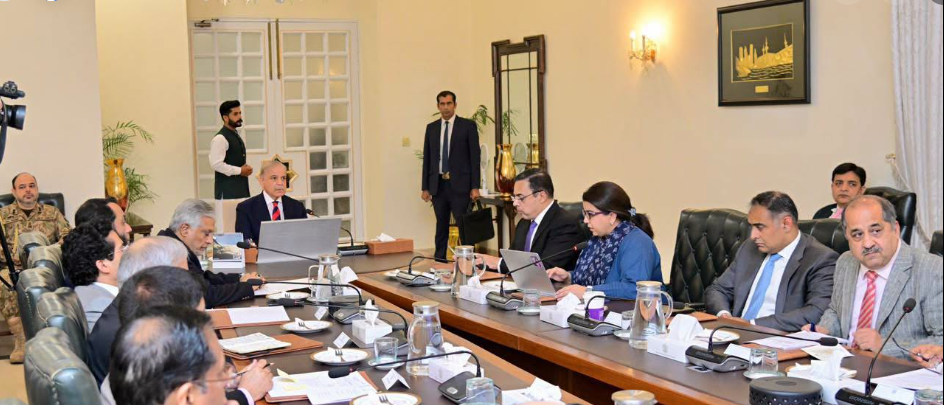
Petrol pump owners in Pakistan have announced a nationwide strike starting Wednesday night after talks with the government over a daily petroleum pricing mechanism ended without agreement, according to a monitored

Pakistan reduced petrol by Rs0.50 to Rs342.60 per litre and high-speed diesel by Rs0.19 to Rs371.61 under its daily pricing system for August 28.

Pakistan's petroleum prices climbed again this week, with the government raising petrol by Rs1.63 per litre and high-speed diesel (HSD) by Rs1.55 per litre, effective from July 29. The increase takes petrol to Rs335.81
Pakistan's latest fuel price revision added pressure on household budgets and transport costs, with petrol up Rs4.40 a litre and diesel up Rs3.62, according to official notifications.

On 26 August 2026, petrol in Pakistan costs Rs343.10 a litre and high-speed diesel Rs371.80. Those rates come from a Petroleum Division notification, and they are valid until 27 August — one day.
Pakistan's weekly inflation reading has kept household budgets under pressure, with food prices again sitting at the centre of public concern.
Pakistan's decision to raise petroleum dealers' margins has eased the immediate threat of a nationwide strike, but it keeps the larger fuel-cost debate alive.

Every Friday the Pakistan Bureau of Statistics publishes a number, and every Friday it is reported as though it were inflation. It is not. It is the Sensitive Price Indicator, and it measures something narrower and more

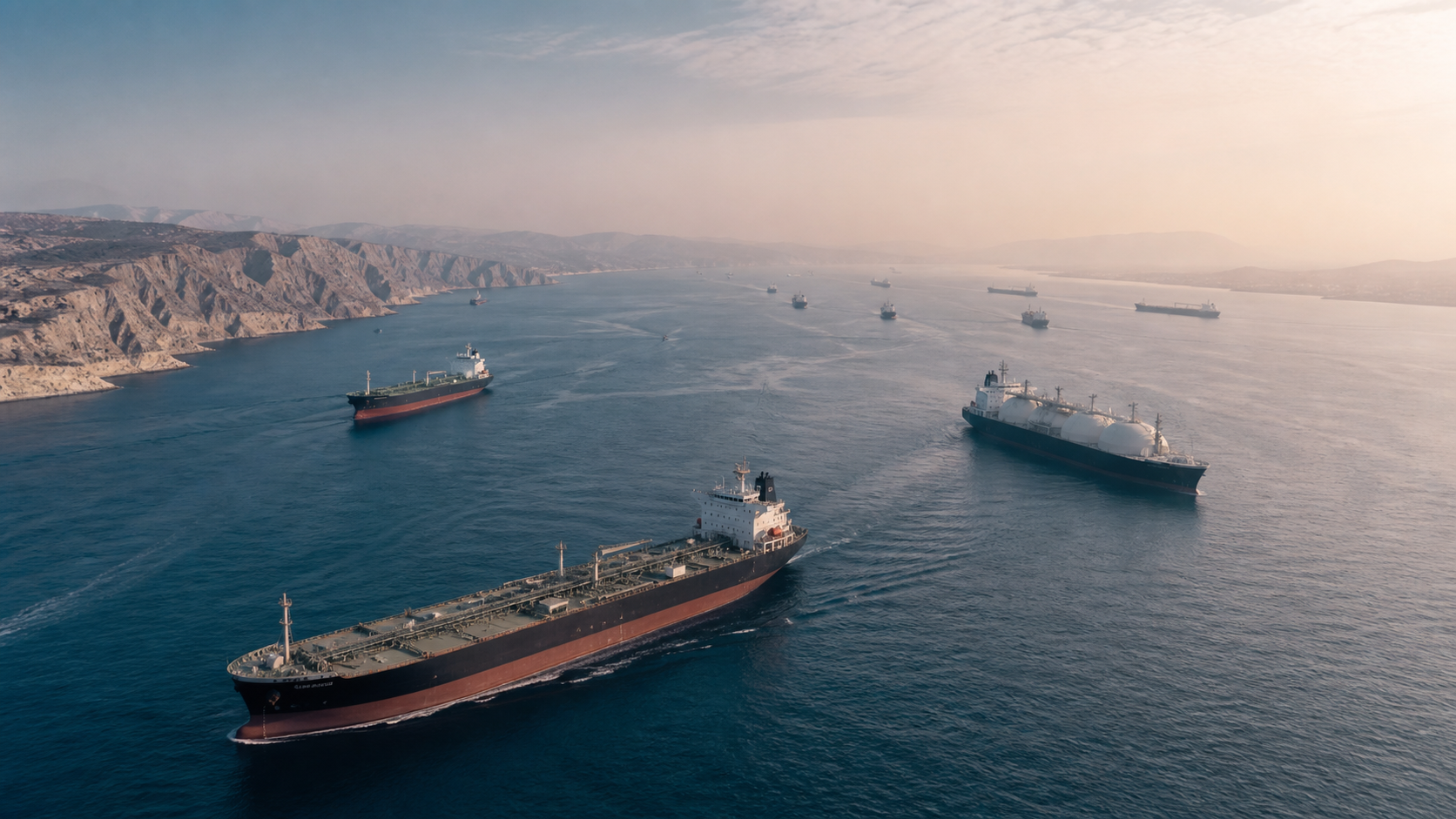
The Strait of Hormuz crisis is becoming an economic warning for Pakistan as fuel imports, LNG supplies, freight costs and inflation risks converge.

Pakistan has reduced petrol by Rs3.13 per litre but raised high-speed diesel by Rs3.74, setting new rates that remain effective from September 5 to 7.
Petroleum dealers have withdrawn a nationwide strike call after Pakistan approved a revised per-litre margin, easing immediate supply concerns.

Pakistan enters FY2027 with stronger reserves and remittances, but renewed Middle East conflict and volatile oil prices threaten inflation and the trade balance.

Pakistan quotes two prices for the same dollar, and the distance between them has done more damage to the country’s external position over the past four years than almost any other single number.

Oil prices moved higher as U.S.-Iran diplomacy stalled and reduced traffic through the Strait of Hormuz renewed concern about global energy supplies.

OGRA raised petrol by Rs2.97 a litre while cutting diesel by over Rs32, a split move that will hit car owners lightly but ease pressure on freight and food prices.
UK inflation cooled faster than expected to 2.6% in June as food and fuel prices dropped, with new Chancellor John Healey calling it welcome news while stressing there is still much more the government should do.

LAHORE: Jamaat-i-Islami Pakistan (JI) Emir Hafiz Naeemur Rehman on Thursday announced peaceful sit-ins against the petroleum levy at 510 locations across the country on Friday, warning that the protests would transform into a movement to ov
Jamaat-e-Islami's planned sit-ins over the petrol price hike have put Lahore, governor houses and public movement under watch before August 16.
Farmers are warning that delayed action on wheat could send prices sharply higher, with one industry voice saying bread may become harder for many families to afford.
Pakistan faces a crowded 2026 security agenda, from the Afghanistan border and TTP violence to Middle East instability and new defence ties.

PTI criticized the government for continuously raising fuel prices while simultaneously approving a Rs1.8 billion special allowance package for top bureaucrats who already receive free benefits.

Pakistan's planning minister used a public appearance in Lahore to make a blunt case: the global shift away from gasoline-powered transportation is already underway, and Pakistan needs to move faster to keep pace with