Mohsin Naqvi Says New Provinces Need Public Consent
Interior Minister Mohsin Naqvi says proposals for new provinces or administrative units must be constitutional, carefully assessed and guided by public opinion.
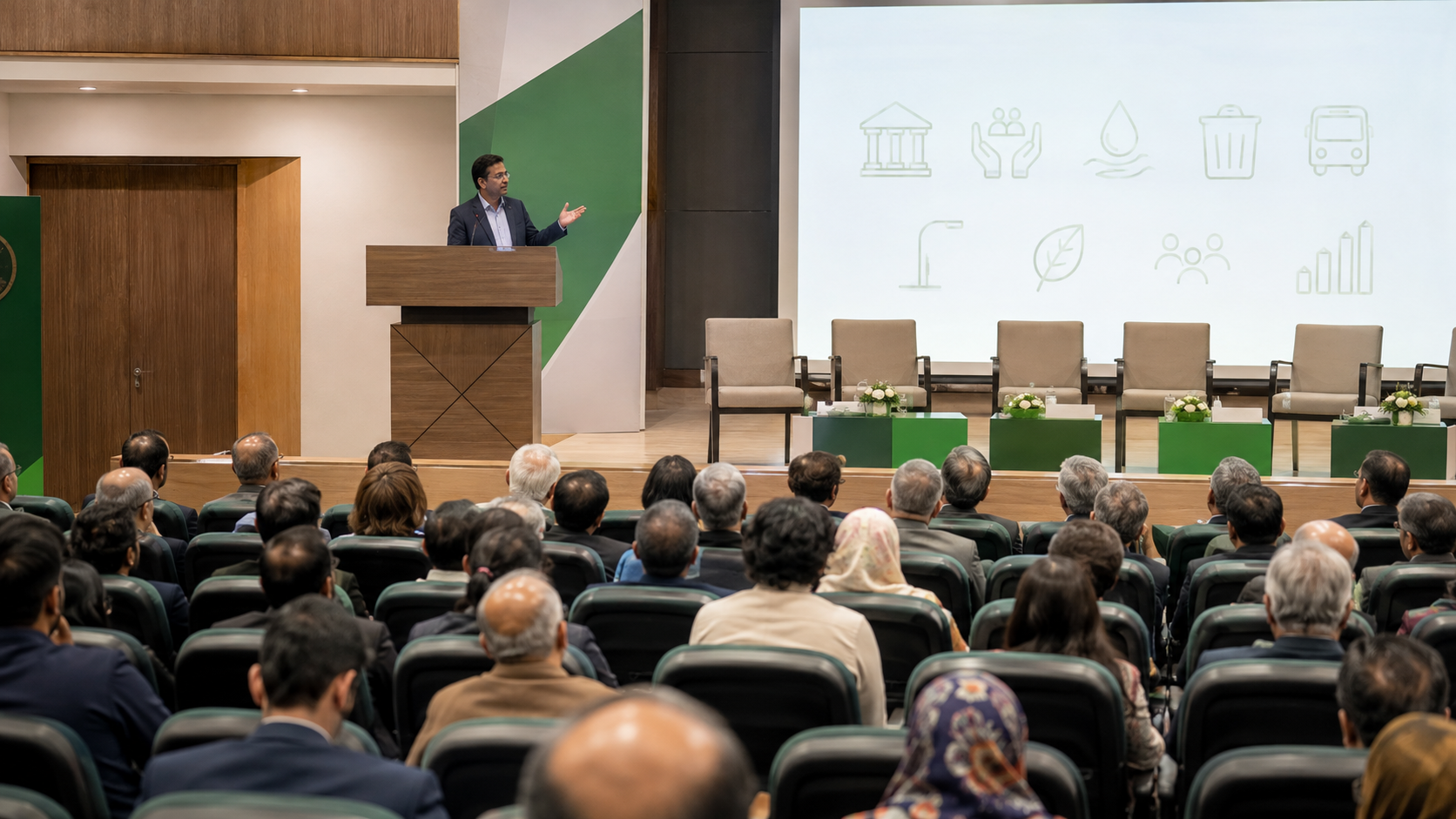
Image credit: AI-generated editorial image by Novexa News
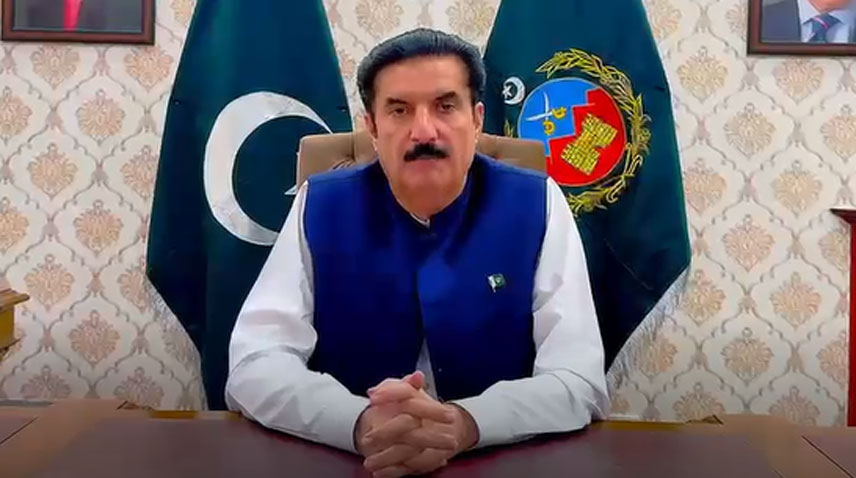
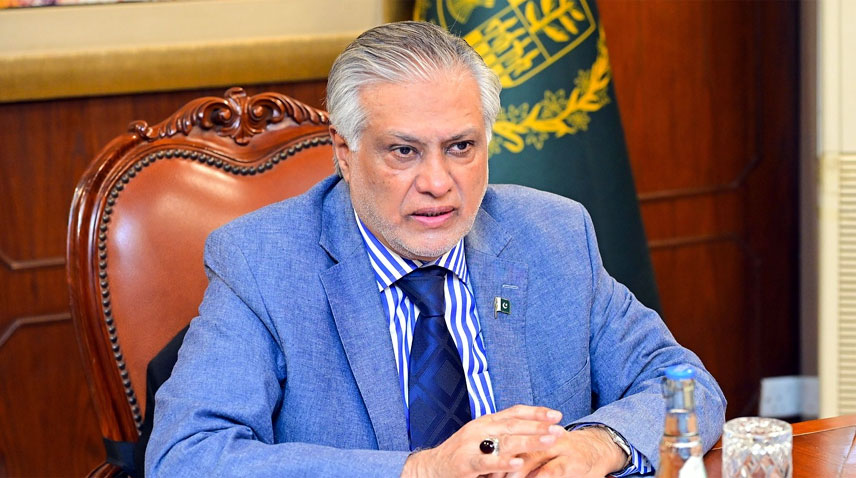
Interior Minister Mohsin Naqvi has renewed his support for a national discussion on creating new provinces and administrative units, saying any eventual decision must reflect public opinion and remain within Pakistan's constitutional framework.
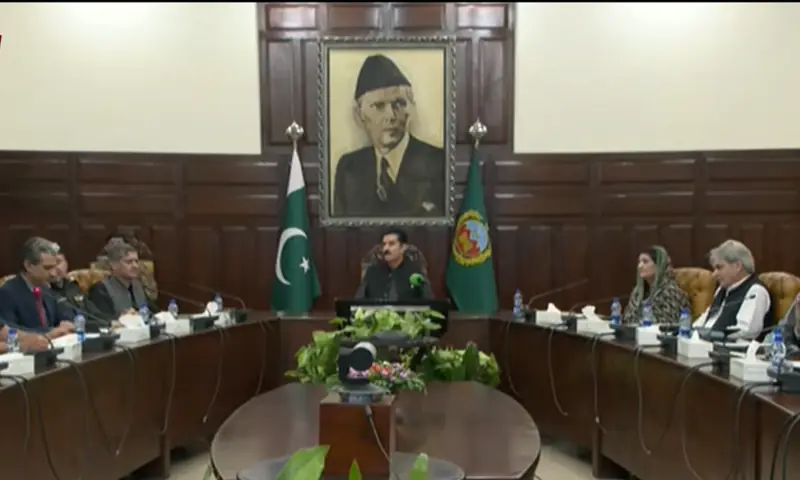
Speaking at a National Policy Dialogue in Lahore, Naqvi said he would continue to support administrative restructuring regardless of whether he remained in office. He urged participants not to treat the issue emotionally and said citizens should understand the advantages and disadvantages before a decision is pursued.
His remarks broadened a debate that has already drawn sharply different reactions from political parties. The federal government has not introduced a bill setting out new provinces, boundaries or implementation dates.
Public interest should guide restructuring
Naqvi framed the case for reform around governance and service delivery. He questioned whether Pakistan's current administrative arrangements can respond effectively to population growth and the differing needs of major urban centres.
Lahore, Karachi, Peshawar and Quetta each carry major administrative and economic responsibilities, but they operate within provinces that differ greatly in population, geography and public resources. Naqvi argued that Pakistan should examine whether bringing decisions closer to communities could produce better results.
He said the preferences of officeholders or political parties should not outweigh those of citizens. At the same time, he stopped short of proposing a referendum mechanism, a fixed number of provinces or defined boundaries.
The absence of a detailed model means the debate remains at the level of principles. Any practical proposal would have to explain how public opinion would be measured and how conflicting preferences within the same province would be addressed.
Naqvi supports considering Islamabad as a province
The interior minister also expressed support for examining whether Islamabad should become a province. The federal capital currently has a distinct legal and administrative status rather than the institutional structure of a province.
Changing that status would raise questions about representation, resource distribution, local government and the relationship between municipal and federal authorities. Naqvi's comments did not provide a legislative blueprint for such a change.
Islamabad's governance has long involved overlapping federal and local responsibilities. Supporters of a stronger local structure argue that residents need clearer accountability for transport, water, sanitation, planning and land administration.
Whether provincial status is the best answer would require legal and financial study. Stronger elected local government is another possible route to addressing some of the same service-delivery concerns.
What Naqvi meant by a system reset
Naqvi clarified that his earlier call for a system reset was not a proposal to dismantle the state structure or target a political party. He described it as an effort to correct weaknesses that have prevented institutions from delivering consistent results.
He pointed to education, healthcare, drinking water and access to justice as areas where citizens often experience administrative failure directly. His argument was that structural reform should be judged by whether those services improve.
The minister also noted that Pakistan frequently creates new districts and tehsils without transferring enough authority to the local level. That observation highlights a central weakness in the provinces debate: adding units without assigning powers and revenue may reproduce the same concentration of authority on a smaller scale.
Constitutional and political barriers
Any proposal that changes the limits of an existing province requires a constitutional amendment. It must secure two-thirds support in the National Assembly and Senate, as well as two-thirds approval in the assembly of the province whose boundaries would change.
Those safeguards make provincial consent and cross-party negotiation unavoidable. The PPP-led Sindh government has opposed dividing Sindh, while MQM-P has advocated additional administrative units. Other parties have supported new provinces in principle but differ over geography and identity.
Defence Minister Khawaja Asif has placed devolution at the centre of the same debate and questioned the PPP's contrasting positions on southern Punjab and Sindh. Together, the statements show momentum for discussion but not agreement on a model.
Local government remains part of the answer
Naqvi's emphasis on empowered mayors and grassroots authority suggests that local-government reform could proceed even if consensus on new provinces remains elusive.
Effective devolution requires predictable elections, clearly assigned functions and revenue that local bodies can use. Without those elements, municipal leaders remain dependent on provincial departments for routine decisions.
For citizens, the most useful test is not the number of units on an administrative chart. It is whether schools, hospitals, roads, policing and utilities become more responsive and transparent.
What comes next
No immediate constitutional measure follows automatically from Naqvi's speech. Political parties would first need to agree on the purpose and shape of restructuring, followed by consultation and draft legislation.
A credible process would publish the evidence behind each proposal, estimate transition costs and explain how resources and representation would be distributed. It would also need to protect minority rights and avoid turning administrative reform into an ethnic contest.
Naqvi's latest intervention keeps the subject active and adds public consent to the list of conditions for reform. The difficult work remains converting broad support for better governance into a constitutional proposal capable of earning national and provincial agreement.
Frequently asked questions
Did Mohsin Naqvi announce new provinces?
No. He supported discussion and reform but did not announce an approved plan, boundaries or implementation schedule.
Does Naqvi support provincial status for Islamabad?
He said he strongly supports considering Islamabad as a province, but no legislation has been introduced to make that change.
Who must approve a new province?
The constitutional amendment requires two-thirds support in both houses of Parliament and, when provincial limits change, two-thirds support in the affected provincial assembly.
Source links
Comments
No approved comments yet.