Ishaq Dar Condemns Riyadh Airport Attack as Six Pakistanis Are Injured
Ishaq Dar condemns the Riyadh airport attack, confirms six Pakistanis were injured and directs the embassy to provide assistance.
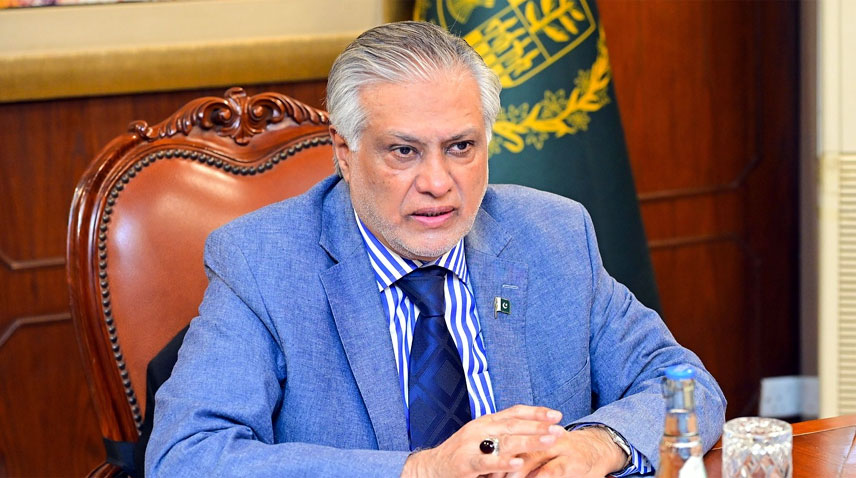
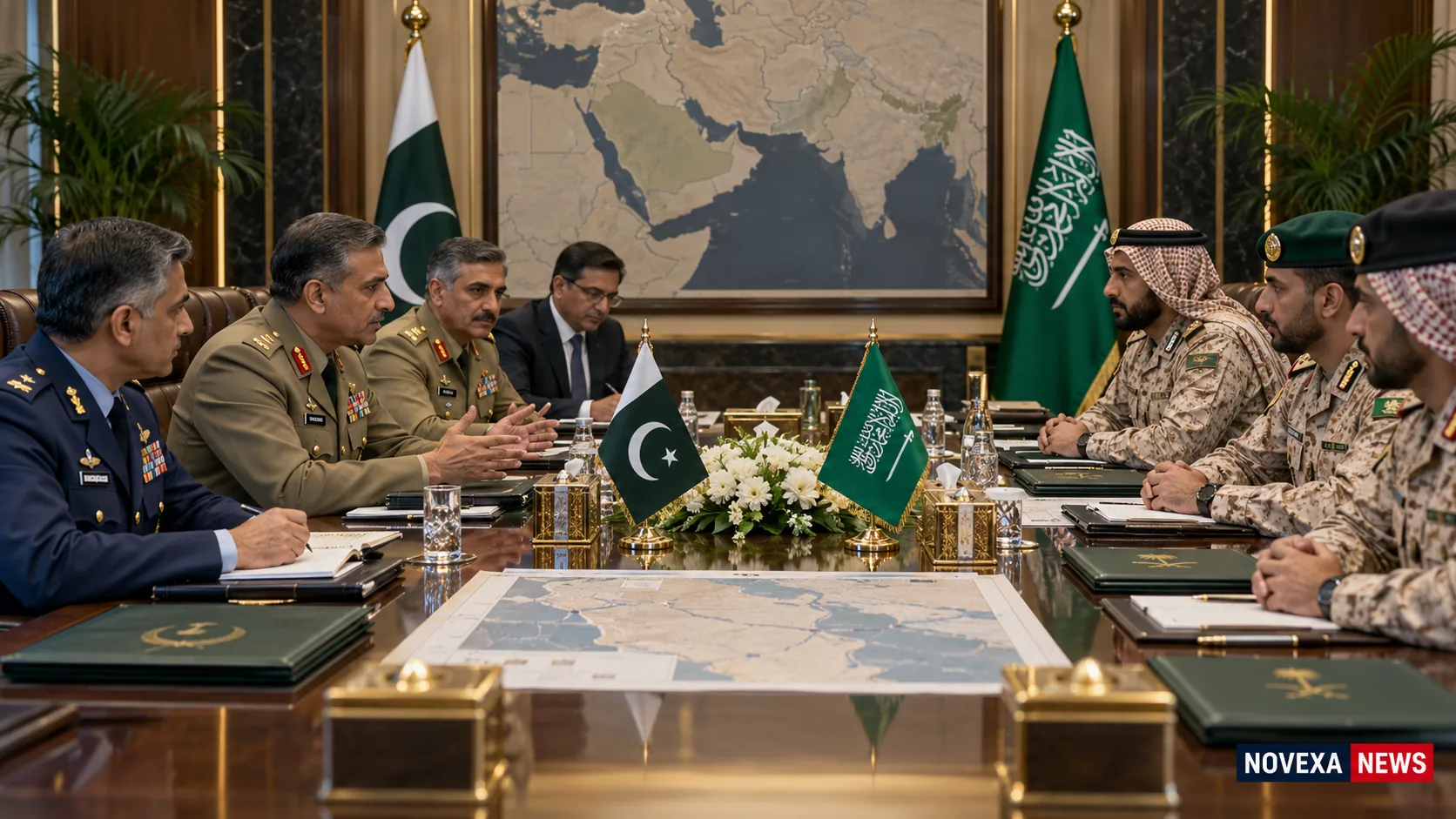
Image credit: Radio Pakistan / file photograph
**ISLAMABAD:** Deputy Prime Minister and Foreign Minister Ishaq Dar has condemned the latest attack on King Khalid International Airport in Riyadh after six Pakistani nationals were reported among those injured, reaffirming Pakistan's support for Saudi Arabia and directing the embassy to assist affected citizens.
In a statement carried by Radio Pakistan, Dar said attacks on civilians and civilian infrastructure were unacceptable, violated international law and threatened regional peace and security. He called for an immediate end to actions that place non-combatants at risk.
Dar said Pakistani authorities were in contact with their Saudi counterparts and closely monitoring developments. He instructed the Pakistani Embassy in Riyadh to coordinate with the relevant authorities and provide all possible assistance to the injured nationals.
Pakistan offers consular support
The confirmation that six Pakistanis were injured added a direct consular dimension to Islamabad's response. Saudi Arabia hosts a large Pakistani community, making airport closures, flight disruption and security alerts especially significant for workers, families and travellers.
Dar prayed for the recovery of all those injured and said Pakistan stood with the Saudi leadership and people. His statement also linked Islamabad's position to the Makkah Joint Defence Agreement signed by Pakistan, Saudi Arabia and Turkiye in August.
The agreement establishes a collective-defence framework under which an armed attack against one member is treated as an attack against all three. Pakistani officials have described the pact as defensive and grounded in the right of individual and collective self-defence under the United Nations Charter.
Dar said Pakistan remained committed to Saudi Arabia's sovereignty, territorial integrity and security in accordance with that agreement. He did not announce new military measures in his statement.
Airport faces repeated attacks
The latest incident came during a sharp escalation around the Saudi capital's main airport. The Associated Press reported that a projectile struck a passenger terminal on Sunday, a day after another missile hit the same airport complex.
Saudi authorities said the Saturday attack killed 12 people and injured more than 300, some critically. The dead included Saudi citizens and foreign nationals. The Sunday strike caused further injuries, although authorities did not immediately publish a complete casualty breakdown.
The Iran-aligned Houthi movement in Yemen claimed responsibility for the airport attacks and other strikes against Saudi targets. A Saudi-led coalition fighting the group said projectiles had hit or targeted the airport, while air-defence systems had intercepted other missiles.
King Khalid International Airport remained closed on Sunday, disrupting travel and prompting warnings from foreign embassies. Airlines had already suspended or altered services as the security situation worsened.
Regional conflict expands
The airport strikes have opened another front in a conflict already affecting Yemen and the wider region. Fighting has intensified between Houthi forces and the Saudi-backed Yemeni government, while attacks on Saudi airports, oil facilities and civilian infrastructure have increased pressure on Riyadh to respond.
Pakistan has condemned the attacks while emphasising the defence of Saudi territory. Foreign Ministry officials have said Pakistani troops already stationed in the kingdom would not enter Yemen for offensive operations but could support the protection of Saudi sovereignty under existing defence arrangements.
Turkiye and Pakistan have also been assessing air-defence, electronic-warfare and technical assistance for Saudi Arabia. Public statements from all three governments have presented the Makkah framework as defensive rather than a mandate for cross-border attacks.
The distinction is important because Pakistan's parliament declined to join the Saudi-led intervention in Yemen in 2015. Islamabad has continued close military cooperation with Riyadh while maintaining that its role is centred on training, advice and the defence of Saudi territory.
Civilian protection remains central
Dar's statement focused on the civilian consequences of the airport attack. International airports are protected civilian infrastructure, and repeated strikes create risks extending well beyond the immediate blast area through cancelled flights, stranded passengers and interruptions to emergency and commercial travel.
Pakistan's immediate priorities are the treatment and welfare of the six injured citizens, communication with their families and coordination with Saudi authorities. The embassy has been asked to provide assistance, but officials had not released the names or medical condition of the injured Pakistanis at the time of publication.
Further information is expected from Saudi authorities and Pakistan's diplomatic mission as casualty assessments continue. Islamabad's response will also be watched for any additional steps under the Makkah Joint Defence Agreement as the regional security crisis develops.
Source links
Comments
No approved comments yet.
Related Articles
 Faisal Kundi Chairs First KP Advisory Council Meeting With Security as Top Priority
 KP Governor Warns of Legal Action Against Attempts to Disrupt Public Order
 British Council Marks a Decade of Library Services in Karachi and Lahore
 Pakistan Reaffirms Defence Commitment to Saudi Arabia Under Makkah Agreement