Khawaja Asif Backs Devolution in Provinces Debate
Defence Minister Khawaja Asif has placed devolution at the centre of Pakistan's new-provinces debate while challenging the PPP's position on restructuring.
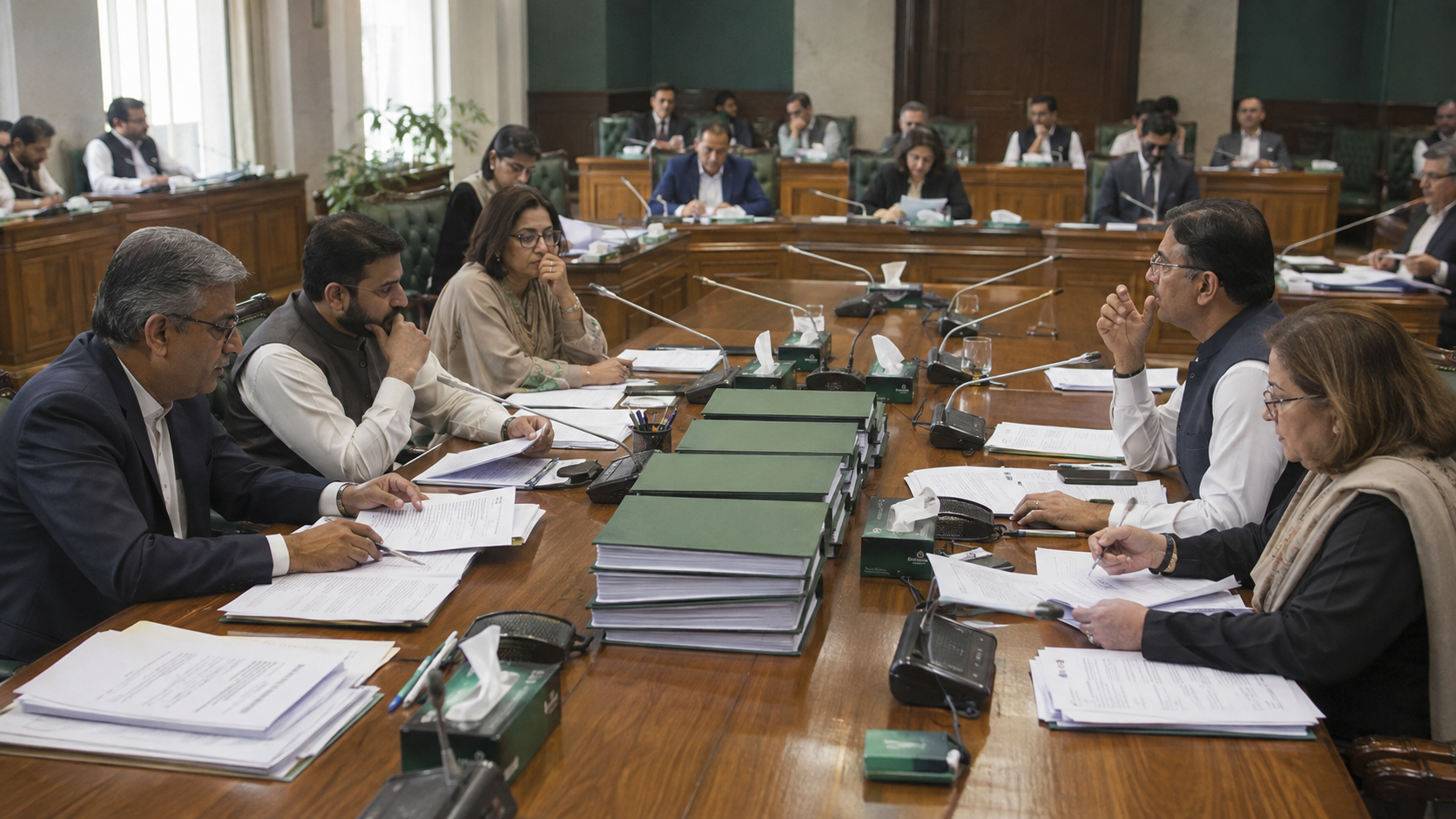
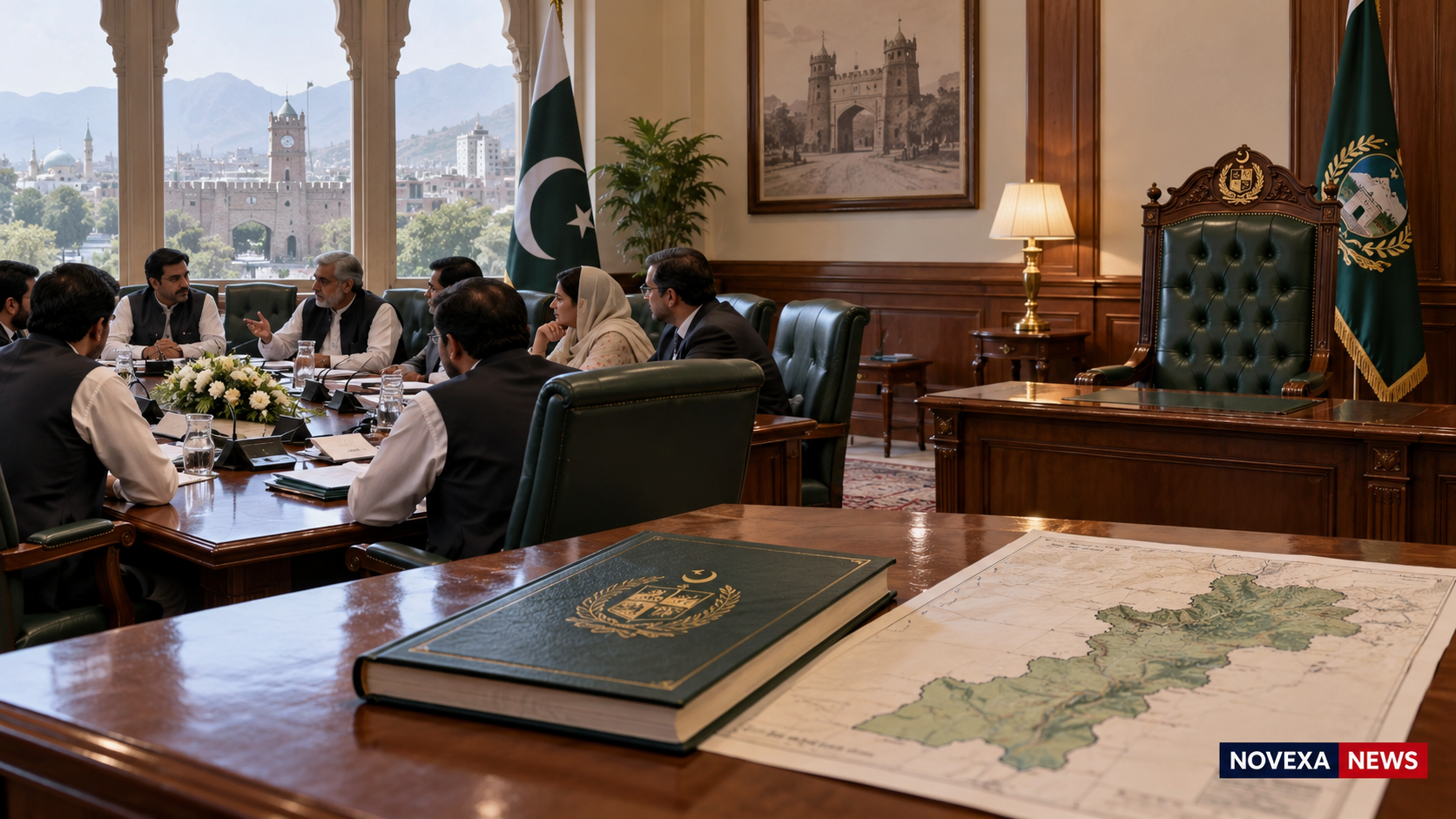
Image credit: AI-generated editorial image by Novexa News
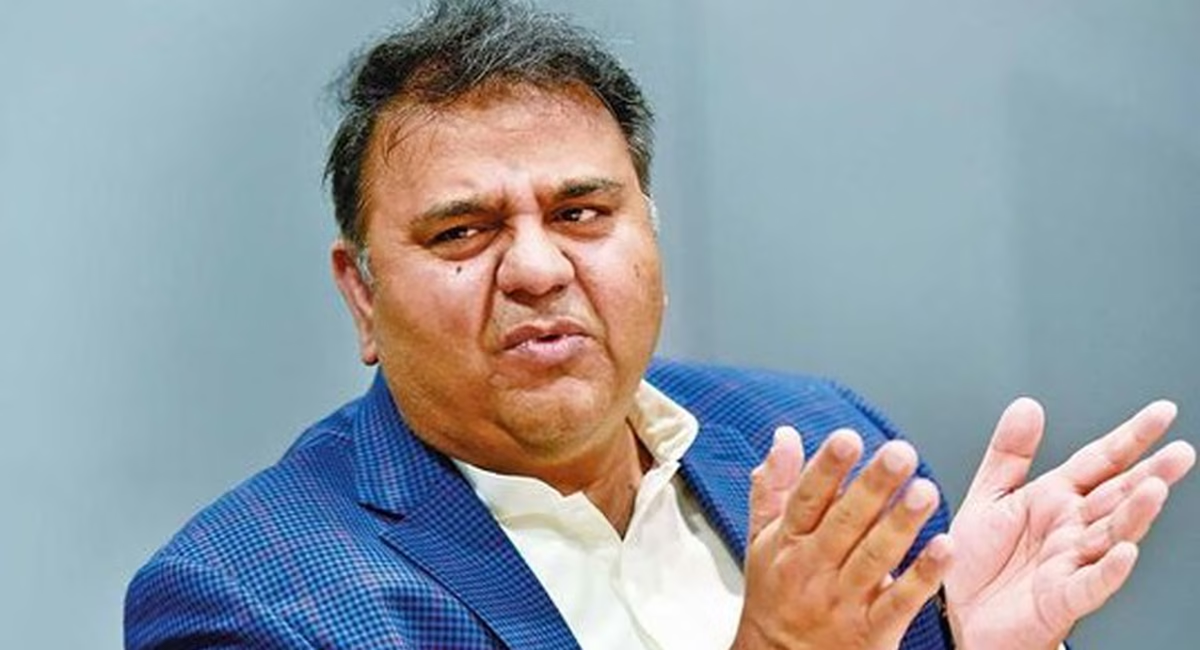
Defence Minister Khawaja Muhammad Asif has argued that Pakistan's debate over new provinces should be grounded in a broader transfer of political and administrative authority rather than treated only as a dispute over provincial boundaries.
In remarks shared on social media, Asif questioned what he described as an inconsistent position by the Pakistan Peoples Party. He said the party supports the demand for a Saraiki province in Punjab but objects when proposals for administrative restructuring involve other provinces.
His intervention adds another senior government voice to a discussion that has intensified in recent weeks. No formal federal plan or constitutional amendment bill to create new provinces has been announced.
Asif places devolution at the centre of the debate
Asif linked the issue to the principle of devolution associated with the 18th Constitutional Amendment. He argued that concentrating authority at higher levels had weakened administration and that powers should move closer to citizens.
That distinction matters because creating a new province and empowering local governments are not the same policy. A new province would add another federating unit with its own assembly and executive. Devolution can also occur within existing provincial boundaries by giving elected local governments clearer responsibilities, dependable funding and control over municipal services.
Asif suggested that existing administrative divisions could provide a basis for considering alternative structures. He did not present a detailed map or a settled government proposal, leaving questions about boundaries, finances and representation open.
Political disagreement with the PPP
The defence minister directed much of his criticism at the PPP, a key partner in the PML-N-led federal coalition. He contrasted the party's support for a southern Punjab or Saraiki province with its resistance to proposals that could divide Sindh.
The PPP-led Sindh government has opposed changes to the province's territorial limits. Party figures have said any discussion of new federating units must follow the Constitution and include the consent of affected stakeholders.
Asif also referred to political exchanges involving the Muttahida Qaumi Movement-Pakistan and the Sindhudesh issue. Those exchanges illustrate how quickly an administrative debate can become tied to identity, provincial autonomy and competing party interests.
The disagreement does not establish that a restructuring plan is moving through Parliament. It shows that coalition partners remain far apart on the terms under which such a proposal could be considered.
What the Constitution requires
Creating a province by altering the limits of an existing province requires a constitutional amendment. Such an amendment needs support from at least two-thirds of the total membership of both the National Assembly and Senate.
Article 239(4) adds another safeguard: a bill changing a province's limits cannot be presented for presidential assent unless the assembly of the affected province also approves it by at least two-thirds of its total membership.
These thresholds make broad political agreement essential. A federal coalition cannot redraw a provincial boundary through an ordinary law or a simple majority vote. The affected provincial assembly has a decisive constitutional role.
No bill meeting those requirements is currently before Parliament. Statements by ministers therefore remain contributions to a political and policy debate rather than an approved restructuring programme.
New provinces versus stronger local government
Supporters of additional provinces often argue that smaller units could improve access to government, reduce regional inequality and make administrators more accountable. Critics warn that new bureaucracies could increase costs or deepen ethnic and political divisions without improving services.
Both sides face a common question: which powers would actually move downward? A smaller province could still centralise authority in its capital. Conversely, an existing province could improve service delivery by empowering districts, municipal governments and elected mayors.
The debate is therefore likely to turn on fiscal arrangements, local representation and responsibility for education, health, transport, policing and water. Boundary lines alone cannot answer those operational questions.
Interior Minister Mohsin Naqvi has separately argued that any new administrative units should reflect public will, while also supporting stronger local institutions. His position overlaps with Asif's emphasis on bringing decisions closer to communities, though the two ministers framed the issue differently.
What happens next
For the discussion to move beyond public statements, the federal government or parliamentary parties would need to present a defined model. That would require proposed boundaries, financial arrangements, representation formulas and a plan for transferring institutions and public employees.
Consultation with provincial governments, opposition parties and affected communities would also be necessary before any amendment could realistically secure the required majorities.
Asif's remarks keep devolution on the national agenda, but they do not settle whether Pakistan should create additional provinces or pursue stronger local government within the existing structure. The constitutional process ensures that either path will require detailed policy work and substantial political consent.
Frequently asked questions
Has Pakistan approved new provinces?
No. No formal constitutional amendment creating additional provinces has been approved or announced.
Can Parliament create a province by simple majority?
No. A constitutional amendment requires two-thirds support in both houses, and a boundary change also requires two-thirds approval from the affected provincial assembly.
What is devolution?
Devolution is the transfer of authority, funding and responsibility from higher levels of government to provincial or local institutions closer to citizens.
Source links
Comments
No approved comments yet.