Pakistan urges Samsung to use country as mobile phone export base
Pakistan has asked Samsung to consider local manufacturing, refurbishment and exports from the country, with officials pitching the market as a gateway to regional supply chains.
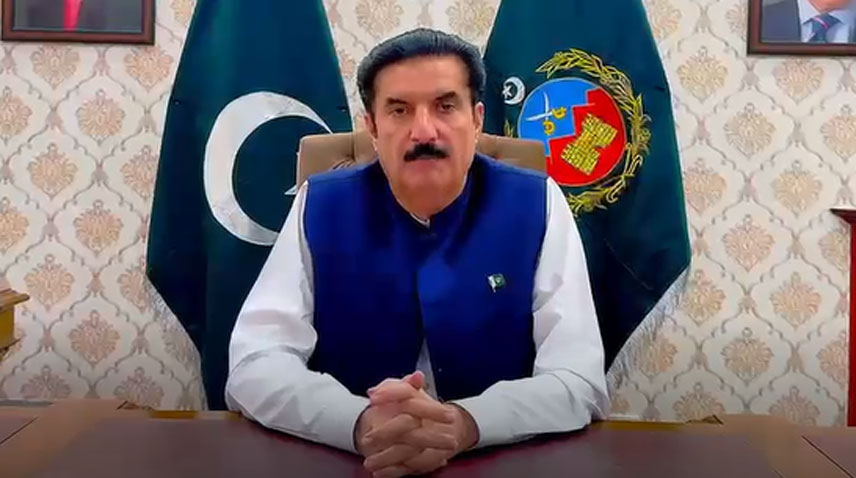
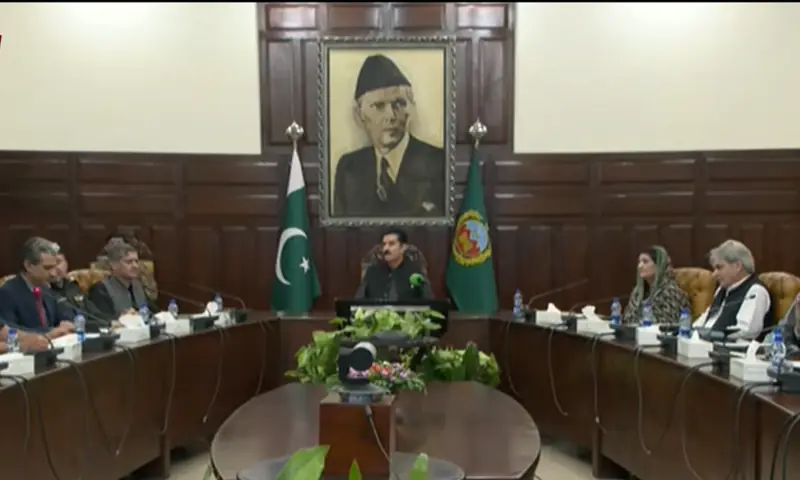
Pakistan has invited Samsung to treat the country as more than a sales market and instead explore it as a base for manufacturing, refurbishing and exporting mobile phones, according to an official statement from the Ministry of Commerce. The offer was made during a meeting in Islamabad on Wednesday between Commerce Minister Jam Kamal Khan and a Samsung Pakistan delegation led by the company’s country head. The ministry said the government would support investment that could help increase exports, expand industrial production and add more value to locally made products. A central part of the minister’s message was that Pakistan should be linked more closely to global supply chains. He encouraged Samsung to look beyond domestic demand and consider exporting smartphones made in Pakistan to emerging markets, including countries in Africa and other regions. That pitch reflects a broader policy goal: shifting the country from assembling goods for the local market to producing items with export potential. The minister also welcomed Samsung’s interest in setting up certified mobile phone refurbishment facilities in Pakistan. In the ministry’s view, a regulated refurbishment sector could create a new line of business for devices that are professionally repaired, checked and resold. Officials said such facilities could support exports, generate jobs and build technical skills in the local market. Samsung’s delegation, meanwhile, briefed the ministry on the progress of Pakistan’s mobile phone manufacturing sector and pointed to the company’s existing investment in local assembly. The company also raised concerns about recent tax changes and the narrowing gap between taxes on semi-knocked-down units and completely built units. According to the ministry’s statement, Samsung said that smaller tariff differences had made locally manufactured phones less competitive. The delegation asked the government to keep a reasonable tariff gap in place so that companies would continue to invest in local production. That issue matters because tariff policy often shapes whether manufacturers assemble phones domestically or rely on imported finished units. For companies, the difference can affect pricing, margins and long-term investment decisions. For Pakistan, the discussion comes at a time when policymakers are trying to deepen industrial production and attract more export-oriented investment. Mobile phones are one of the clearest examples of a sector where local assembly has grown, but where the next step — building a stronger export footprint — remains difficult. The ministry’s statement suggests the government wants major global brands to help push that transition. But the extent to which Samsung is willing to commit remains unclear. The announcement did not disclose any investment figures, timelines or binding plans, and it is not yet known whether the company is actively considering Pakistan as a regional manufacturing hub or whether the meeting was a preliminary policy pitch. Still, the conversation signals what Islamabad is trying to achieve: more value-added production, more exports and less dependence on imported finished goods. If Samsung or similar firms expand refurbishment and manufacturing operations locally, the effects could extend beyond the phone market into logistics, technical services and related industrial activity. For now, the key question is whether the government can provide the policy stability, tariff structure and investment climate needed to turn that pitch into actual capacity. Without those conditions, the push for export-led manufacturing may remain an ambition rather than a shift in the market.
Source: Dawn Business - https://www.dawn.com/news/2017651/samsung-invited-to-make-pakistan-its-export-hub
Comments
No approved comments yet.