Dar Reaffirms Pakistan's Commitment to Peace and Multilateralism
Ishaq Dar marks the International Day of Peace by reaffirming Pakistan's support for diplomacy, international law and UN-centred multilateralism.
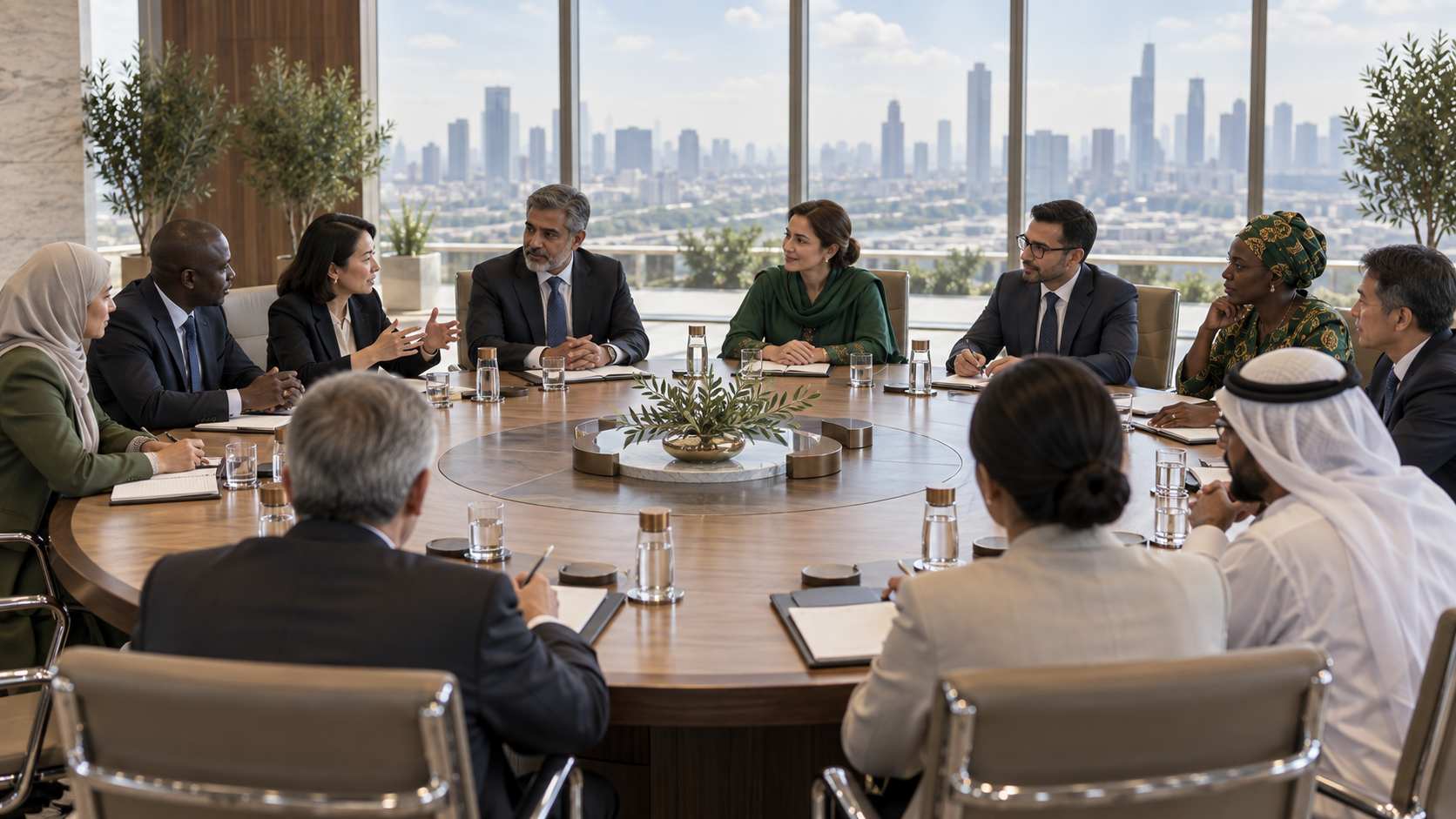
Image credit: AI-generated editorial illustration by OpenAI
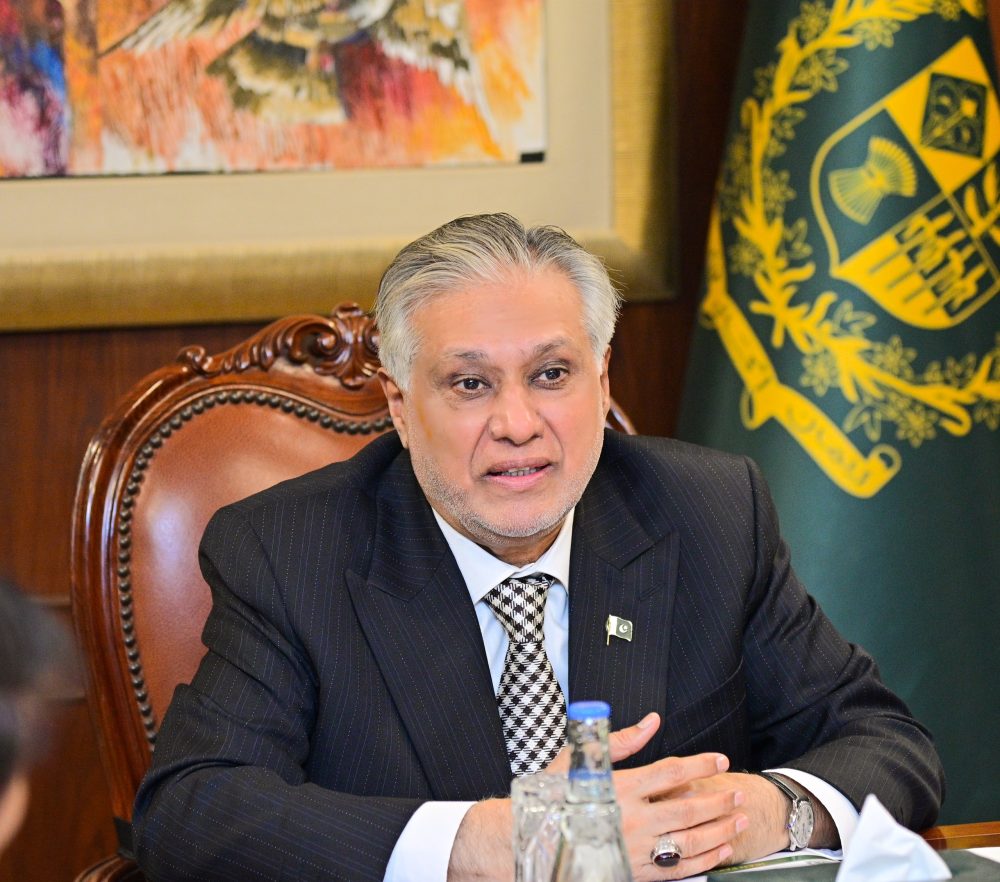
Deputy Prime Minister and Foreign Minister Ishaq Dar has reaffirmed Pakistan's commitment to international peace, security and an inclusive multilateral system centred on the United Nations, marking the 2026 International Day of Peace with a call for dialogue and diplomacy.
In a message issued through the Ministry of Foreign Affairs, Dar said sustainable peace depends on respect for the purposes and principles of the UN Charter, international law and the peaceful settlement of disputes.
The annual observance falls on September 21. The United Nations selected "Invest in Peace: For Everyone, Everywhere, Every Day" as its 2026 theme, highlighting the role of diplomacy, community action, human rights and cooperation in reducing conflict.
The Associated Press of Pakistan published Dar's message, in which he described peace and an effective multilateral order as central elements of Pakistan's foreign policy.
Dialogue and international law
Dar said unresolved disputes continue to create regional and international insecurity. Pakistan's position is that durable settlements should come through negotiation and the implementation of international commitments rather than unilateral force.
He referred to the right of self-determination and reiterated Pakistan's positions on Jammu and Kashmir and Palestine. Islamabad regularly calls for implementation of relevant UN resolutions, an independent Palestinian state and a diplomatic settlement of the Kashmir dispute.
Those positions remain contested by other parties. India rejects third-party involvement in Kashmir and says the issue should be handled bilaterally, while Israel disputes many of the legal and territorial claims advanced by Palestinians and supporting states. The competing positions underline why broad statements in favour of dialogue still require difficult negotiations and political consent.
Dar also highlighted Pakistan's participation in United Nations peacekeeping. Pakistani military and police personnel have served in UN missions for decades, making the country one of the organisation's established troop contributors.
Peacekeeping does not replace political settlements, but it can protect civilians, monitor agreements and create space for negotiations. The UN has warned that missions face increasingly complex conflicts and tighter resources, adding urgency to calls for renewed political and financial support.
Pakistan's Security Council initiative
The deputy prime minister referred to UN Security Council Resolution 2788, adopted unanimously in July 2025 while Pakistan held the council presidency. The resolution focused on strengthening mechanisms for the peaceful settlement of disputes and reaffirmed the obligation of states to use peaceful means.
Pakistan has presented the resolution as an example of practical multilateral diplomacy. Its value, however, depends on whether member states apply the same principles when their own strategic interests are involved.
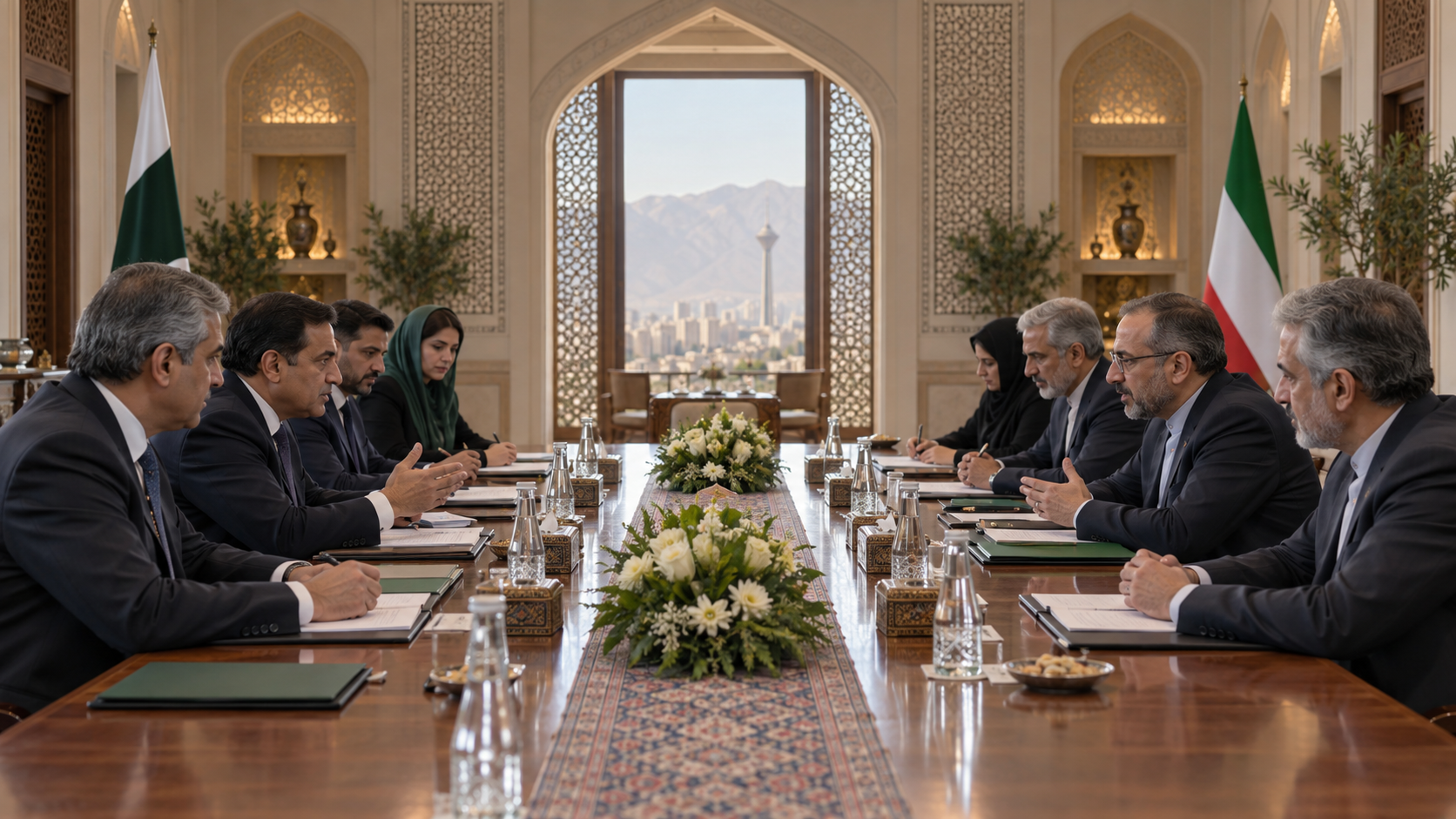
Dar also cited Pakistan's engagement in regional diplomatic efforts, including contacts related to tensions involving Iran and the United States. Islamabad has sought to keep channels open with both sides while avoiding claims that it can independently resolve a conflict driven by wider security and nuclear disputes.
Message during UNGA week
The statement coincides with the high-level week of the 81st United Nations General Assembly in New York. Dar travelled to the city to join the delegation led by Prime Minister Shehbaz Sharif.
His programme includes Organisation of Islamic Cooperation meetings on Kashmir and Palestine, a Security Council briefing on artificial intelligence, talks on pandemic preparedness and bilateral meetings. Novexa's report on Dar's UNGA agenda details those engagements.
The timing gives Pakistan an opportunity to connect its International Day of Peace message with specific diplomatic initiatives. Calls for multilateralism carry greater weight when accompanied by proposals, coalition building and follow-up after leaders leave New York.
UN Secretary-General António Guterres used the 2026 observance to encourage governments and communities to invest in negotiation, trust and everyday peacebuilding. The UN's framing stresses that peace is not limited to formal agreements; it also requires safety, dignity, opportunity and functioning institutions.
Dar said Pakistan would continue working as a constructive partner for peace, stability and prosperity. The statement establishes Islamabad's intended diplomatic posture, while its impact will depend on how Pakistan applies those principles in regional disputes and in its relationships with neighbouring states.
The International Day of Peace is symbolic, but it offers a public benchmark. Pakistan's contribution can be assessed through support for peacekeeping, consistent respect for international law and sustained diplomatic engagement when negotiations become difficult.
Source links
Comments
No approved comments yet.