Pakistan, Kuwait Sign Protocol to Expand Defence Cooperation
Pakistan and Kuwait have signed Protocol Agreement 2026 to expand military cooperation in training, capacity building and border management.
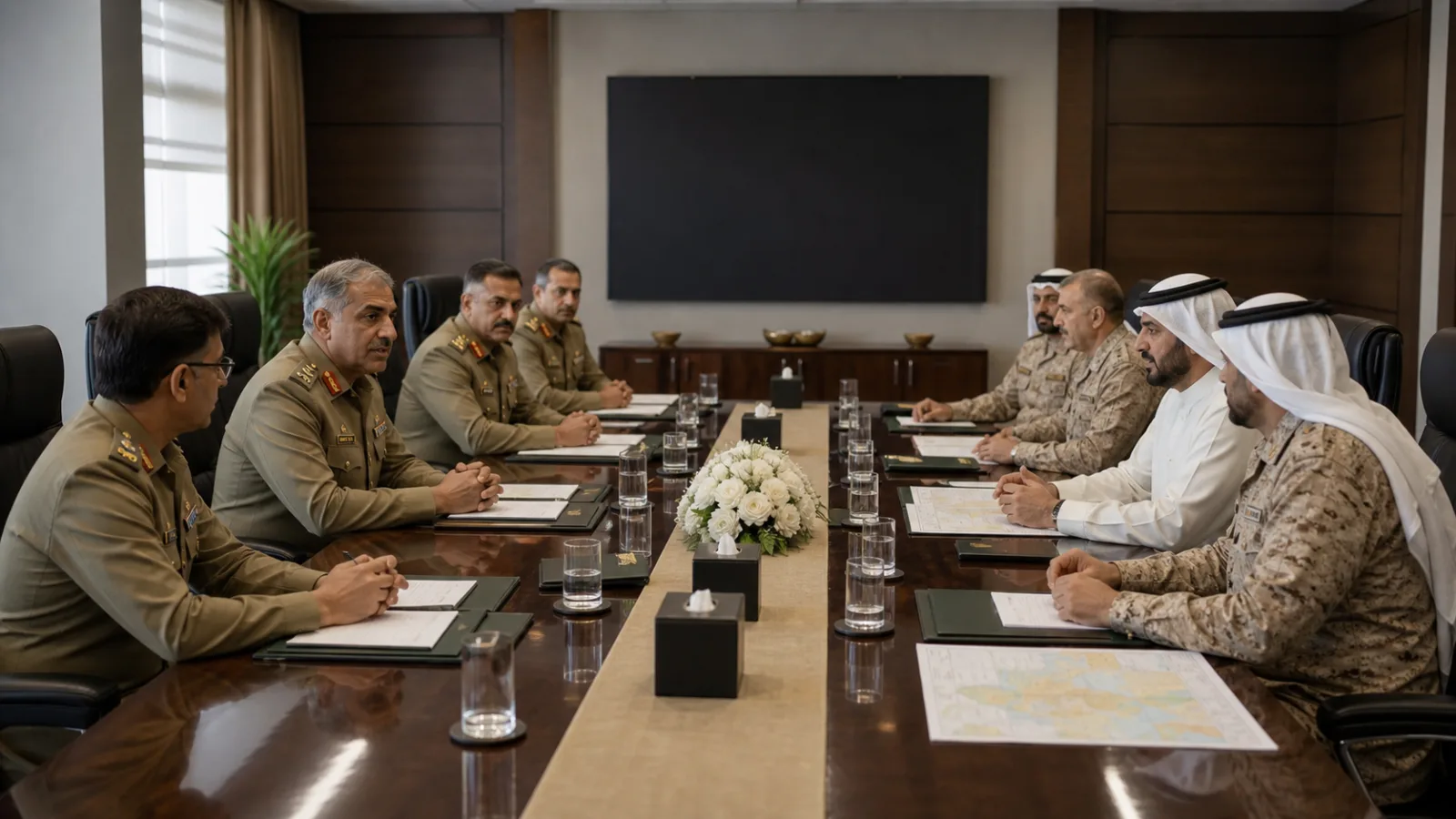
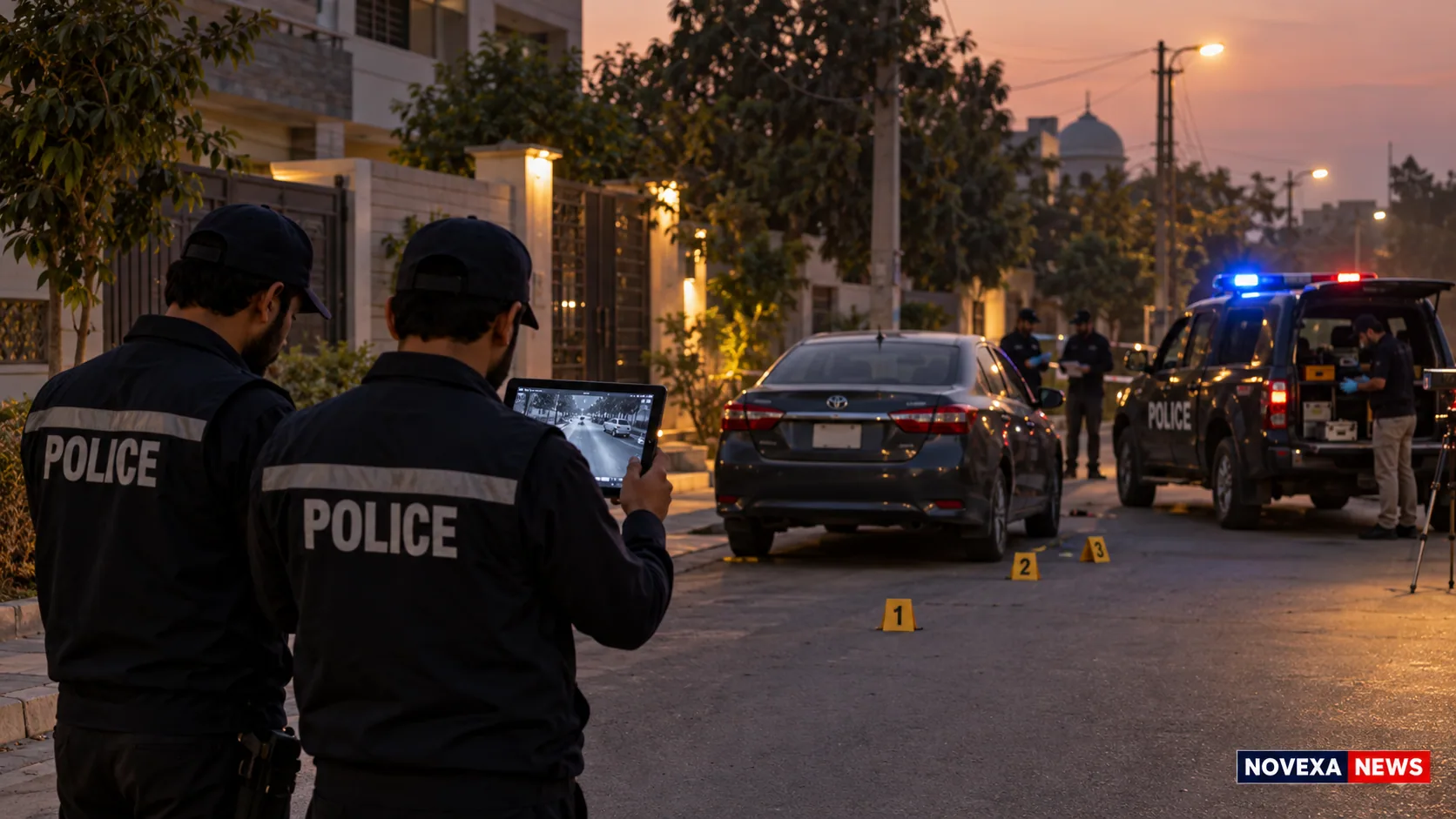
Image credit: AI-generated editorial illustration by Novexa News
Pakistan and Kuwait have signed a new protocol expanding military cooperation in training, capacity building and border management, adding practical commitments to the defence framework the two countries established in 2023.
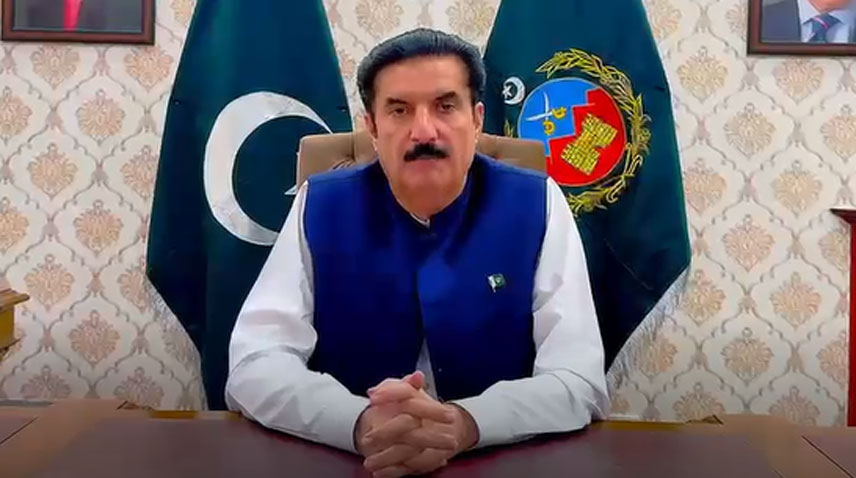
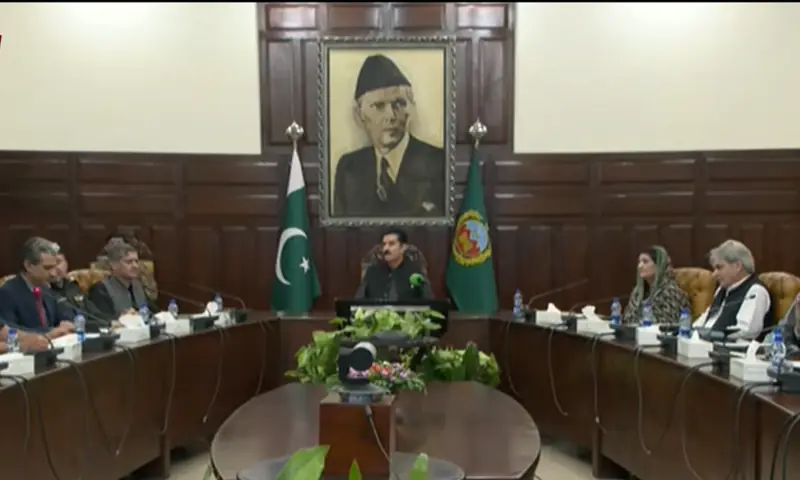
The Protocol Agreement 2026 was signed in Rawalpindi on Thursday during a meeting between Pakistan's Defence Minister Khawaja Muhammad Asif and a Kuwaiti delegation led by Defence Minister Sheikh Abdullah Ali Abdullah Al-Saleem Al-Sabah.
According to the Associated Press of Pakistan, the agreement provides for Pakistan's armed forces to assist their Kuwaiti counterparts in several fields, including professional training, institutional capacity building, border management and other areas accepted by both governments. Officials did not release a financial value, deployment plan or detailed implementation timetable.
Protocol builds on the 2023 defence agreement
The latest document does not replace the bilateral Defence Cooperation Agreement signed in 2023. It is designed to broaden the mechanisms available under that agreement and identify areas where the two militaries can work together more directly.
Kuwait recently ratified the 2023 agreement, giving renewed momentum to its implementation. Pakistan welcomed that decision in July and described the original accord as an institutional framework covering military education, training, joint exercises, exchanges of expertise and other mutually agreed activities.
The new protocol makes several areas more explicit. Training and capacity building can include professional courses, specialist instruction and exchanges intended to improve planning and operational skills. Border management cooperation may involve expertise, procedures and technology, although the public announcement did not define the equipment or personnel involved.
Neither government's statement described the protocol as a mutual-defence treaty or said it included an automatic military response if either country were attacked. The published terms point instead to structured cooperation and assistance between defence institutions.
Kuwaiti delegation meets Pakistan's military leadership
The Kuwaiti defence minister was accompanied by Lieutenant General Khaled Darj Saad Al-Shriaan, chief of the General Staff of Kuwait's armed forces. In addition to the meeting at the Ministry of Defence, the delegation visited General Headquarters in Rawalpindi.
At GHQ, Sheikh Abdullah and his delegation met Chief of Defence Forces and Chief of Army Staff Field Marshal Syed Asim Munir. The Inter-Services Public Relations said the discussion covered regional security, bilateral defence cooperation and other matters of mutual interest.
Both sides expressed support for stronger institutional ties and a durable defence relationship. The Kuwaiti delegation also acknowledged the professional capabilities of Pakistan's armed forces and Pakistan's contribution to regional peace and stability, according to the military's statement.
The GHQ meeting and the protocol signing were related parts of the same visit but were separate engagements. The protocol was signed during the defence ministers' meeting, while the discussion with Munir focused on the wider military relationship and regional security environment.
What each side can gain from closer cooperation
Pakistan has decades of experience providing training and professional military education to personnel from Gulf countries. Its defence institutions run courses across command, staff, technical and specialist fields, creating an established channel for cooperation that does not require the two militaries to build a relationship from the beginning.
For Kuwait, the protocol offers access to training, expertise and capacity-development programmes tailored through bilateral arrangements. Border management is especially relevant for states seeking to combine personnel training with surveillance, coordination and institutional planning.
Pakistan views defence engagement with Kuwait as part of its broader relationship with Gulf countries. Such cooperation can strengthen military-to-military contacts and may create opportunities for exercises, educational exchanges and technical collaboration. Any expansion beyond the published fields would still require agreement between the governments and, where applicable, further legal or administrative approval.
A relationship extending beyond defence
Pakistan and Kuwait maintain political, economic and people-to-people links alongside their military contacts. Pakistani nationals have worked in Kuwait for decades, while the two governments engage on trade, labour, visas, energy and regional diplomacy.
Recent high-level contacts have given security cooperation a more visible place in the relationship. Kuwait's foreign minister visited Pakistan earlier this year and held meetings with senior officials, including military leadership, as the two sides discussed regional developments and bilateral cooperation.
The latest defence talks take place during a period of heightened security concern across the Gulf and the wider Middle East. Officials did not publicly link the protocol to a specific conflict or country, however, and the announced agreement should be assessed according to its stated provisions rather than broader speculation.
Implementation will determine the protocol's impact
The immediate result of the visit is an agreed framework for more structured cooperation. Its practical importance will depend on how quickly the two defence ministries identify programmes, allocate resources and establish schedules for training and technical exchanges.
Future official releases may clarify the number of personnel involved, the institutions responsible for courses, whether joint exercises are planned and what border-management assistance Kuwait has requested. Transparency about those details would help distinguish routine military cooperation from any larger strategic arrangement.
For now, the agreement marks a formal step beyond the 2023 framework. It gives Pakistan and Kuwait a clearer route to expand training, capacity building and other mutually approved defence activities while their military leaders continue consultations on regional security.
Source links
Comments
No approved comments yet.