Pakistan, Iran Reaffirm Diplomacy at Bishkek SCO Summit
Shehbaz Sharif and Masoud Pezeshkian used an SCO summit meeting in Bishkek to review bilateral ties and support continued regional diplomacy.
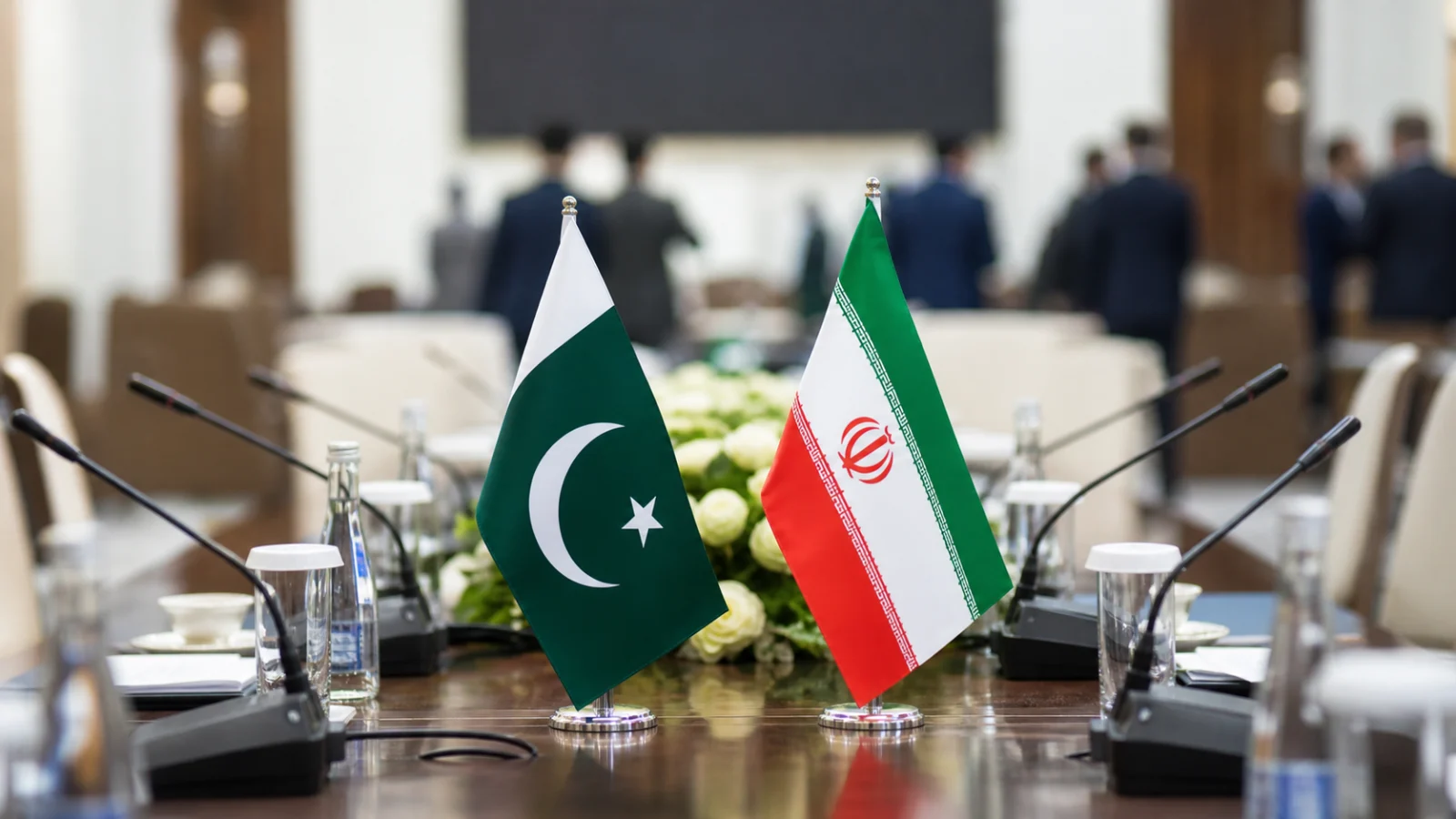
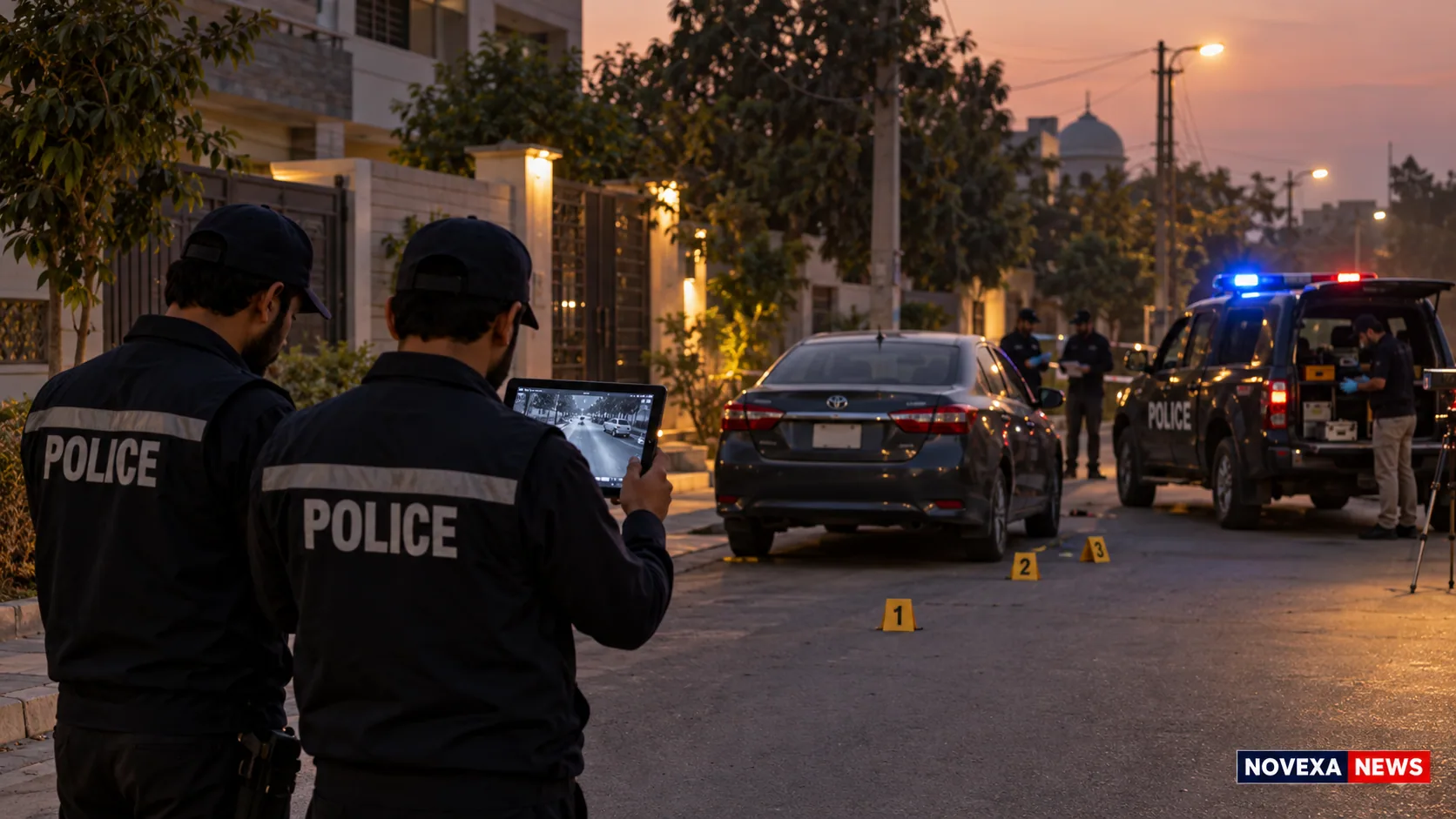
Image credit: AI-generated editorial image by Novexa News
Prime Minister Shehbaz Sharif and Iranian President Masoud Pezeshkian met in Bishkek on Monday, using talks on the sidelines of the Shanghai Cooperation Organisation summit to reaffirm bilateral ties and support continued diplomacy over regional tensions.
The Aug. 31 meeting took place during Sharif's three-day official visit to Kyrgyzstan. Pakistan's official account said the leaders reviewed relations between the neighbouring states, discussed regional developments and expressed interest in expanding practical cooperation.
Speaking to Iranian media after the meeting, Sharif said Pakistan and Iran would continue working together to promote peace and reduce tensions. He described regular contact between their governments as important for both bilateral relations and the wider region.
Bilateral ties and regional peace on the agenda
The discussion covered political engagement, economic cooperation, regional connectivity and contacts between the people of Pakistan and Iran. Both governments have repeatedly pointed to their shared border, cultural links and trade potential, even as regional insecurity has made diplomacy more difficult.
Sharif said Pakistan wanted sustained diplomatic engagement to address the current tensions. According to the government statement reported after the meeting, he also referred to the recent Tehran visit by Chief of Defence Forces and Army Chief Field Marshal Asim Munir as a constructive contribution to those efforts.
Pezeshkian acknowledged Pakistan's diplomatic role and reiterated Iran's interest in stronger relations. The public accounts of the meeting did not announce a new treaty or a detailed economic package, so the immediate result is best understood as political coordination and a commitment to keep high-level channels open.
Leaders refer to the Islamabad MoU
Sharif called for building on understandings associated with the Islamabad Memorandum of Understanding, a framework that Pakistan has cited in connection with efforts to lower tensions involving Iran and the United States.
Pakistan's Foreign Office said in an Aug. 12 briefing that the Islamabad MoU had helped create a path toward regional peace and stability. The government has presented its role as facilitation rather than a substitute for decisions by Tehran and Washington.
That distinction matters. Pakistan can carry messages, host discussions and encourage de-escalation, but any lasting settlement depends on the parties directly involved. Islamabad also has a strong national interest in stability because conflict affecting Iran can disrupt border security, energy markets, trade routes and shipping through the Strait of Hormuz.
The Bishkek discussion gave Sharif and Pezeshkian an opportunity to compare positions in person while many of the region's most influential leaders were gathered in one place.
Pakistan prepares to chair the SCO
The meeting also came as Pakistan prepared to assume the chairmanship of the SCO Council of Heads of State for 2026-27. The Foreign Office said Pakistan is due to host the council's next summit in Islamabad in 2027.
The chairmanship will give Islamabad a larger organisational role in a grouping whose members include China, Russia, India, Iran, Pakistan, Belarus and four Central Asian states. The SCO agenda spans security, economic cooperation, transport links and political consultation, although its members often hold different strategic priorities.
For Pakistan, the year ahead offers a chance to focus attention on trade corridors connecting South Asia with Central Asia and the Middle East. It also creates a diplomatic test: hosting a diverse group of states requires careful agenda-setting and the ability to keep cooperation moving despite bilateral disputes among members.
Where Pakistan-Iran cooperation could grow
Pakistan and Iran have long discussed expanding formal trade, improving border markets and strengthening transport and energy links. Progress has often been slower than political statements suggest because of sanctions, security concerns, payment constraints and limited infrastructure.
Regional connectivity was therefore a practical part of the leaders' conversation. Better road, rail and border arrangements could support legal commerce and improve livelihoods in communities on both sides of the frontier. Greater people-to-people contact can also support education, tourism and cultural exchange.
The leaders exchanged invitations for future engagement. Sharif invited Pezeshkian to visit Pakistan, while the Iranian president invited the Pakistani prime minister to attend an Economic Cooperation Organisation summit expected in Tehran in December 2026. Formal schedules and outcomes will depend on later confirmation by the two governments.
Why the Bishkek meeting matters
The value of the Pakistan-Iran SCO meeting lies less in a single announcement than in sustained communication during a period of regional strain. Neighbouring countries cannot insulate themselves from conflict, disrupted shipping or pressure on energy supplies, which gives both Islamabad and Tehran reason to preserve a working relationship.
The next measure of progress will be whether the meeting produces follow-up work on trade, connectivity and diplomatic coordination. Pakistan's SCO chairmanship and the proposed high-level visits provide several opportunities to turn the public commitments in Bishkek into specific initiatives.
Frequently asked questions
Where did Shehbaz Sharif meet Masoud Pezeshkian?
They met in Bishkek, Kyrgyzstan, on the sidelines of the SCO Council of Heads of State summit on Aug. 31, 2026.
What did Pakistan and Iran discuss?
Official accounts highlighted bilateral relations, regional peace, diplomacy, connectivity and wider cooperation between the neighbouring countries.
What is Pakistan's new role in the SCO?
Pakistan is assuming the chairmanship of the SCO Council of Heads of State for 2026-27 and is expected to host the next council summit in Islamabad in 2027.
Did the meeting produce a new agreement?
No new treaty was announced. The meeting reaffirmed existing diplomatic understandings and the intention to continue cooperation and high-level contact.
Source links
Comments
No approved comments yet.