Pakistan Launches At-Home Proof of Life for Pensioners
Pakistan has launched a digital proof-of-life service allowing civilian and military pensioners to verify their identity from home using biometric and facial checks.
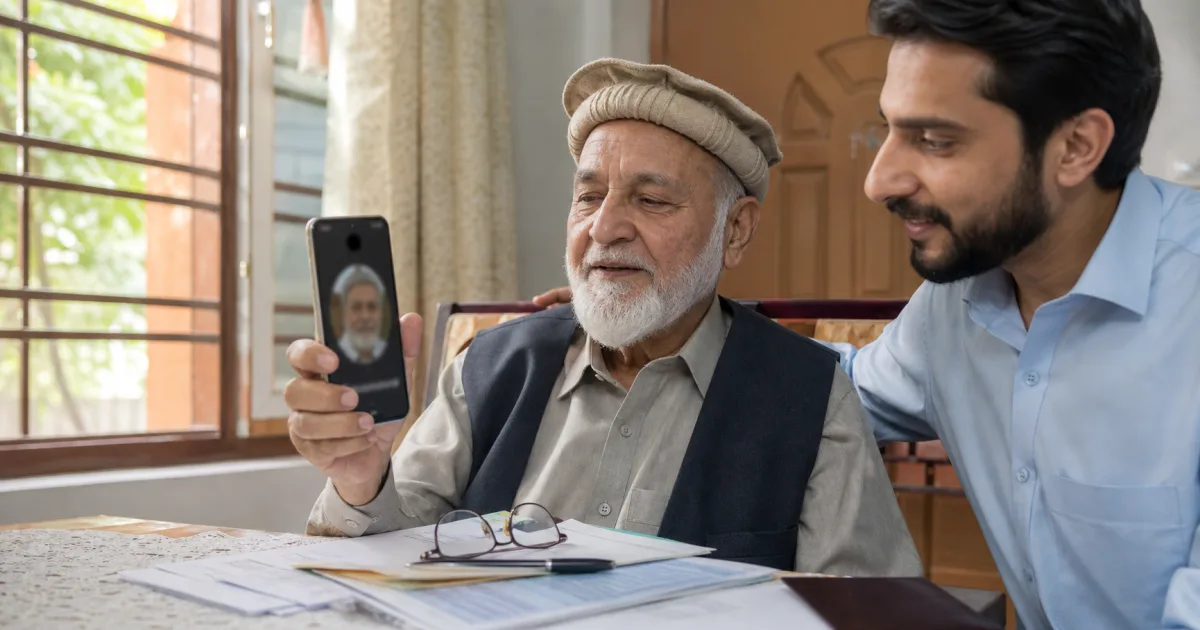
Image credit: AI-generated editorial illustration by Novexa News
Pakistan has launched a digital proof-of-life system that allows pensioners to verify their identity from home using biometric and facial-recognition technology, reducing the need for repeated visits to bank branches.
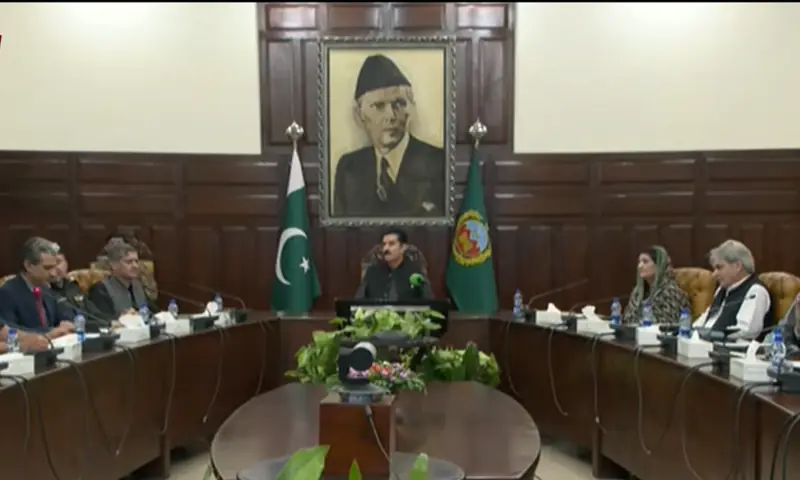
Prime Minister Shehbaz Sharif inaugurated the service in Islamabad, describing it as an accessibility measure for millions of retired civilian and military employees. The system was developed with support from the National Database and Registration Authority and is linked to Pakistan's broader effort to digitise pension administration.
For elderly people, women, persons with disabilities and pensioners living far from a bank, the practical value could be substantial. The success of the programme will depend on whether the mobile process remains simple, secure and supported by a reliable alternative when technology fails.
Why pensioners need proof of life
Pension authorities require periodic confirmation that a recipient is alive and remains eligible for payment. The control helps prevent fraud and payments continuing after a pensioner's death, but traditional procedures can create hardship for legitimate recipients.
Under earlier arrangements, many pensioners had to complete biometric verification at a branch maintaining their pension account, often every six months. A physical life certificate could be used in specified circumstances, including illness, infirmity or fingerprints that could not be read because of age or a medical condition.
Those safeguards remain important, but travel and queues can be difficult for the very people the pension system serves. A home-based option changes the process from a recurring journey into a digital identity check.
How the new verification works
The service uses NADRA's identity infrastructure and facial verification through the Pak ID ecosystem. A pensioner can use a supported mobile device to complete the required check without appearing at a bank counter.
Facial recognition is particularly relevant when fingerprint verification fails. Older adults can have worn fingerprints, while disability or illness can make conventional biometric capture impractical. A multi-biometric system gives the verification process more than one secure route.
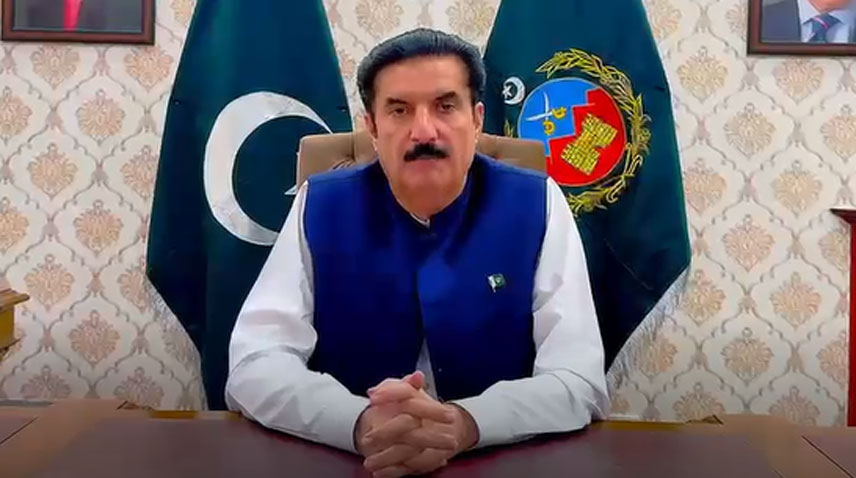
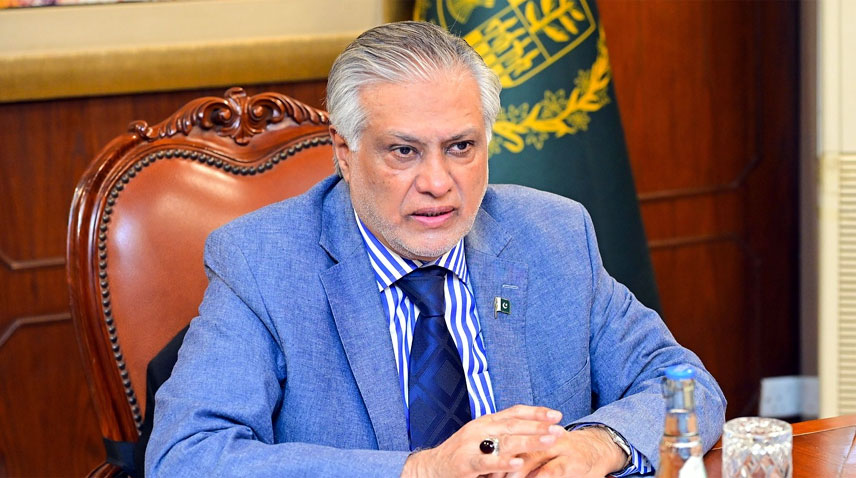
The government has said the new mechanism will support civilian and military pensioners. Finance Minister Muhammad Aurangzeb linked the launch to the Digital Pakistan programme and highlighted NADRA's role in modernising public services.
Users should rely on official NADRA and pension-authority instructions before submitting information. They should avoid links sent by unknown callers or messages claiming that a payment is required to prevent pension suspension. A public service involving older citizens can become an attractive target for impersonation scams.
Accessibility must remain part of the design
A smartphone service solves one barrier but can create another. Some pensioners do not own a compatible device, have limited internet access or need help navigating an application. Others may be unable to complete facial capture because of lighting, camera quality or mobility limitations.
The system therefore needs clear fallback procedures. Bank assistance, NADRA registration centres, authorised representatives and paper certificates may still be necessary for people who cannot use the app. Digital access should expand options rather than make one technology the only route to essential income.
Language support will also matter. Instructions in Urdu and regional languages, large readable controls and a straightforward error-recovery process can determine whether the service feels empowering or frustrating.
Security and privacy questions
Biometric information is sensitive because a person cannot replace a face or fingerprint in the way they can change a password. The verification system must minimise the data stored on devices, encrypt communication and make clear which agencies receive each result.
Strong anti-spoofing checks are necessary to prevent photographs or recorded video from being used to imitate a pensioner. At the same time, those checks must avoid repeatedly rejecting legitimate users. Independent security testing and transparent complaint handling would improve public confidence.
The government should also publish practical performance information: how many pensioners complete verification successfully, how many require fallback support, how quickly blocked payments are restored and whether rural users experience higher failure rates.
A useful reform if execution matches the promise
Digital proof of life can reduce travel costs, bank queues and administrative delays while making pension records harder to misuse. It is a clear example of technology addressing an ordinary but consequential public-service problem.
The launch is only the beginning. Pensioners will judge the service by whether it works on modest phones, whether support answers when something goes wrong and whether a failed scan can be resolved without losing income.
If those protections are maintained, home verification can deliver something more valuable than a new application: a less burdensome and more dignified relationship between retired citizens and the system responsible for paying them.
Source links
Comments
No approved comments yet.