Pakistan and Iran Report Progress in Efforts to Revive Peace Process
Pakistan says high-level talks in Tehran produced progress toward reviving Iran-US dialogue and reducing the risk of wider regional escalation.

Image credit: Image from Pixabay
ISLAMABAD, August 26, 2026: Pakistan's diplomatic efforts to help ease tensions between Iran and the United States have gained fresh momentum following high-level talks in Tehran, with Islamabad reporting significant progress towards reviving dialogue and preventing further escalation in the region.
Diplomacy gains momentum after Tehran talks
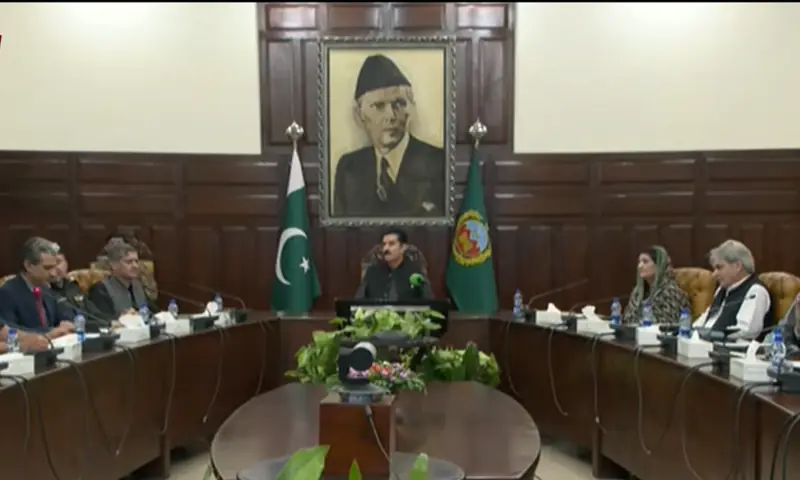
Pakistan's army chief, Field Marshal Asim Munir, travelled to Tehran alongside Interior Minister Mohsin Naqvi, where the Pakistani delegation held discussions with Iranian President Masoud Pezeshkian and other senior officials. The talks focused on the rapidly changing regional situation, the need to prevent the conflict from widening and possible steps towards restoring a broader peace process.
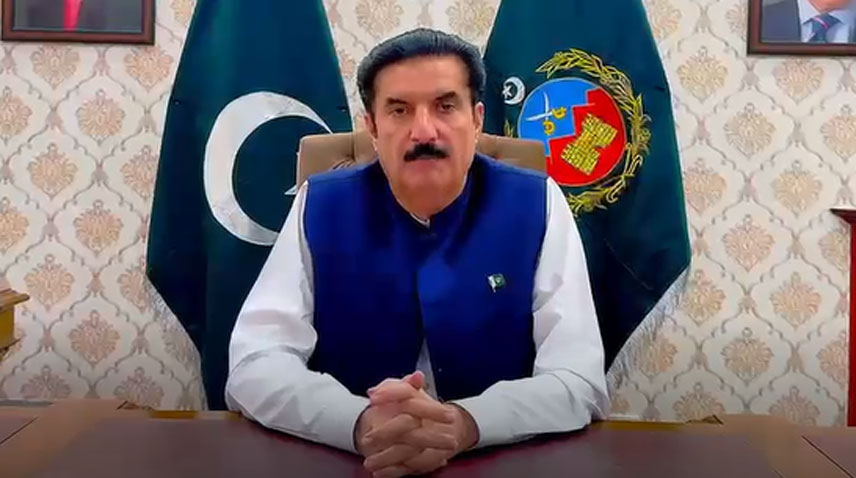
Naqvi described the discussions with President Pezeshkian as positive and productive, saying the Iranian side openly presented its concerns and perspective. He said the meeting produced meaningful progress and created renewed hope for further diplomatic engagement and a lasting settlement.
The latest diplomatic initiative reflects Pakistan's continuing effort to position itself as a facilitator between Washington and Tehran. Islamabad has repeatedly maintained that dialogue and diplomacy offer the most sustainable path towards resolving the conflict and has remained engaged with both sides despite the considerable political and strategic differences separating them.
Strait of Hormuz remains a central concern
A major issue discussed during the recent engagement was the future of the Strait of Hormuz, one of the world's most important maritime routes for energy supplies and international commerce. Any prolonged disruption in the waterway has wider implications for global markets, shipping and energy security, making its safe and unrestricted navigation a central concern for regional and international stakeholders.
Pakistan has previously supported efforts to restore normal navigation through the strait and has backed regional initiatives aimed at finding a workable arrangement among the countries bordering the Gulf. Islamabad has also stressed the importance of maintaining freedom of navigation while respecting the sovereignty and legal rights of the coastal states.
The latest developments build on an earlier diplomatic framework involving Pakistan and Qatar, which established mechanisms for continued political and technical discussions between the United States and Iran. The framework included a high-level committee, working groups dealing with key issues and a communication channel intended to reduce misunderstandings and facilitate safe passage for commercial vessels through the Strait of Hormuz.
Pakistan's position as a regional facilitator
Pakistan's role has become particularly significant because it maintains working relationships with both Iran and the United States. This diplomatic space allows Islamabad to communicate with different sides while avoiding a direct confrontation or alignment with either camp. The country's approach has focused on encouraging negotiations, reducing tensions and supporting a regional solution rather than seeking a military response.
The Tehran visit also comes amid renewed international concern over sanctions and their impact on Iran's economy. For Pakistan, the outcome of the wider diplomatic process could have implications beyond security, particularly for regional trade, energy cooperation and connectivity. Islamabad has previously indicated that progress on economic projects involving Iran would be closely linked to developments on sanctions relief and the broader peace process.
The latest talks do not, by themselves, represent a final peace agreement. However, the reported progress provides an opportunity for diplomacy to regain momentum after a period of heightened tensions. Pakistan and its regional partners now face the challenge of converting diplomatic contacts into concrete measures that can reduce hostilities and restore confidence between the parties.
For Islamabad, the developments also offer an opportunity to demonstrate that its geographical position and relationships with neighbouring and global powers can be used constructively. By keeping communication channels open, Pakistan hopes to contribute to a peaceful settlement while protecting regional stability, trade routes and its own national interests.
What comes next
The coming days will determine whether the latest diplomatic momentum can develop into sustained negotiations. For now, Pakistan's message remains clear: dialogue, regional cooperation and diplomacy must take precedence over further escalation.
Source links
Comments
No approved comments yet.