Sohail Afridi Publishes PTI's Seven-Point Draft for Government Talks
KP Chief Minister Sohail Afridi publishes PTI's seven-point negotiating draft as the government disputes which proposals were agreed.
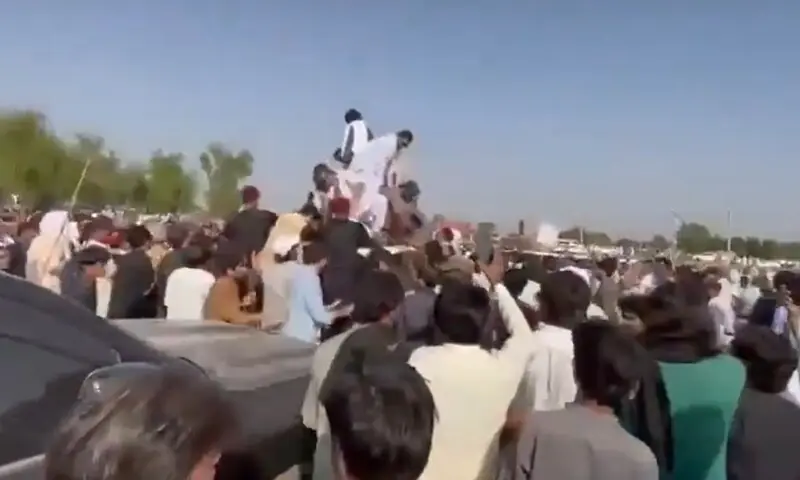
Image credit: PTI/X via Dawn
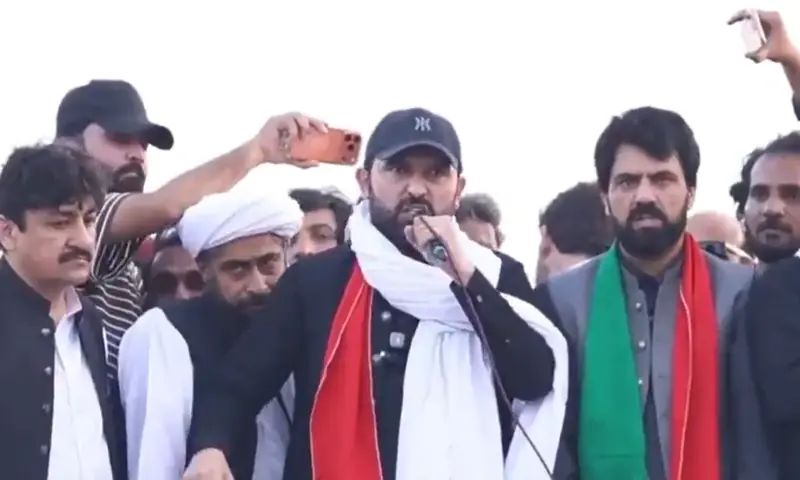
PESHAWAR, October 4, 2026: Khyber Pakhtunkhwa Chief Minister Sohail Afridi has published a seven-point set of demands that he says PTI presented during talks with the federal government, placing the party's conditions for ending its long march into the public record as both sides dispute why negotiations failed.
Afridi said in a social media post that the proposals were constitutional and lawful. He described them as a framework for political engagement, prisoner rights and coordinated action against terrorism in Khyber Pakhtunkhwa, according to Business Recorder.
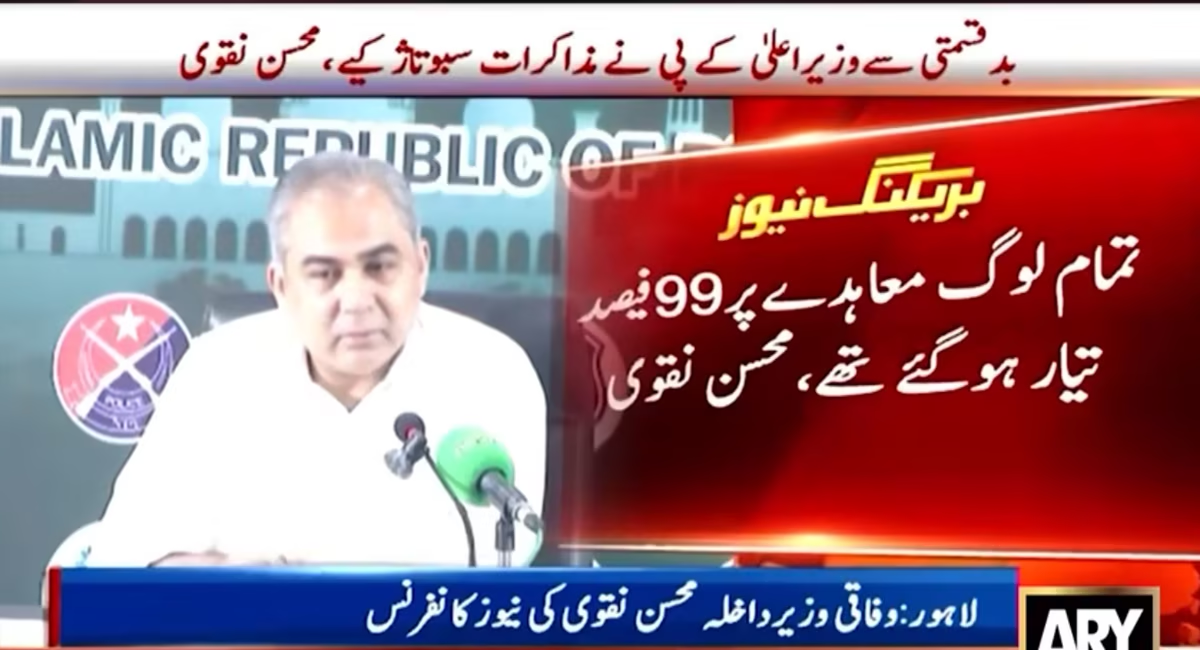
Interior Minister Mohsin Naqvi challenged Afridi's account, saying the document published by the chief minister was not the draft that government and opposition negotiators had already discussed. The competing versions underline how a last-minute disagreement over the terms of a settlement turned into a public dispute.
Political Dialogue and Prisoner Rights
The first proposal calls for regular meetings between the prime minister and opposition leaders in both houses of Parliament. PTI wants those discussions to cover political, national, constitutional, legal and democratic matters, with meaningful progress within two months.
The second point proposes a standing negotiating committee made up of representatives from the governing alliance, the Pakistan Peoples Party and opposition parties. Under PTI's draft, the committee would maintain contact and produce practical recommendations on unresolved political questions within one month.
Three demands relate directly to imprisoned PTI founder Imran Khan, his wife Bushra Bibi and other detainees. PTI seeks legal, medical and humanitarian treatment in accordance with the Constitution, applicable law and prison rules. It also wants Khan and Bibi to be allowed meetings with family members, nominated lawyers and authorised associates where the rules permit.
The draft further asks for legal petitions involving Khan, Bibi and other prisoners to be taken up quickly, particularly cases concerning women, elderly people and inmates with health problems. It specifically calls for expedited consideration of cases involving Bushra Bibi and PTI leader Yasmin Rashid. These are demands from PTI, not court orders or agreed government commitments.
Security Coordination and the Long March
The sixth point focuses on Khyber Pakhtunkhwa's security crisis. It proposes sustained consultation between the federal and provincial governments and asks authorised representatives from both sides to meet within 72 hours to develop a joint strategy against terrorism.
That proposal sits at the centre of the dispute. Naqvi has said the provincial government had earlier agreed to produce an implementation plan addressing counterterrorism commitments, including its position on militant groups and possible changes to provincial policing arrangements. PTI and the KP government have argued that security policy cannot be imposed without meaningful provincial consultation.
The final point links the demands to PTI's protest campaign. Afridi's draft says the party would consider cancelling its long march after receiving written assurances that agreed measures would be implemented. It also says PTI would retain its right to peaceful and lawful protest if those commitments were not honoured.
The publication of the draft came as thousands of PTI supporters began moving from Lakki Marwat toward Islamabad to demand Khan's release. Associated Press reported that the march started after negotiations between the government and opposition ended without an agreement.
The federal government says the negotiating teams had made substantial progress before Afridi objected to the proposed settlement. Afridi's public release of the seven points presents PTI's counterargument: that the party's conditions remained focused on political dialogue, lawful treatment of prisoners and a jointly developed security strategy.
Neither side's account by itself establishes the complete negotiating record. The immediate question is whether the competing drafts can be reconciled while the march continues and authorities prepare for a possible confrontation around the federal capital.
Source links
Comments
No approved comments yet.