Dar raises Kashmir, water dispute concerns at Asean regional forum
Pakistan’s deputy prime minister used the Asean Regional Forum in Manila to flag regional flashpoints, including Kashmir and the Indus Waters Treaty, as threats to stability.
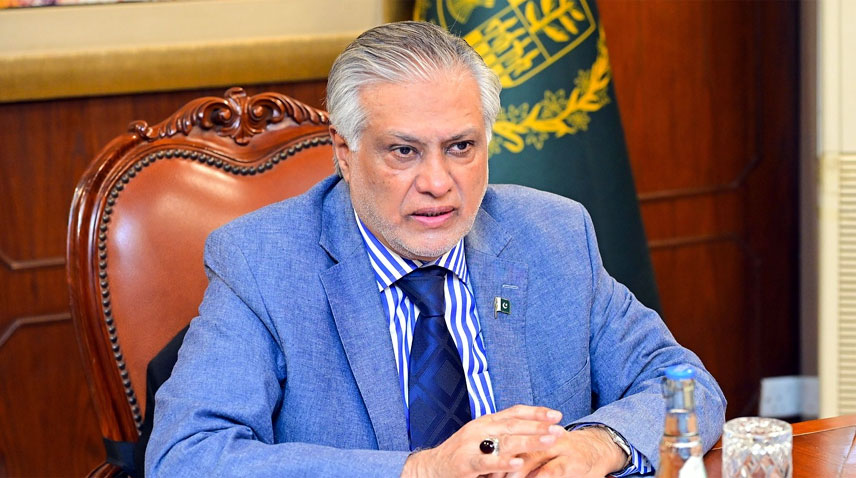
Deputy Prime Minister and Foreign Minister Ishaq Dar used a major regional security forum in Manila to argue that unresolved disputes and widening geopolitical tensions remain serious risks to peace and stability. According to a Dawn report, Dar addressed the 33rd Asean Regional Forum Ministerial Meeting in the Philippines on Thursday, where foreign ministers and delegates from 27 member states gathered at a time of heightened concern in the region over the conflict between the United States and Iran. The forum brings together Asean members and external partners to discuss political and security issues affecting the wider Asia-Pacific. Dar said the international community could not afford further delays in dealing with what he described as key challenges to peaceful coexistence, stability and livelihoods. He did not limit his remarks to one issue, instead pointing to a broader set of disputes and security pressures that, in Pakistan’s view, continue to unsettle the region. Among the concerns he highlighted was the longstanding Jammu and Kashmir dispute, which he described as central to instability in South Asia. Pakistan has repeatedly argued for a settlement it considers fair and consistent with United Nations resolutions and the wishes of the Kashmiri people. India, meanwhile, maintains that Kashmir is an internal matter and rejects Pakistan’s position. The issue remains one of the most sensitive fault lines in South Asian diplomacy. Dar also reiterated Pakistan’s concern over India’s move to place the Indus Waters Treaty in abeyance after hostilities flared between the two countries last year, according to the source report. The treaty, signed in 1960, has long been regarded as one of the region’s most durable agreements, governing the sharing of river waters between the two nuclear-armed neighbours. Any disruption to it is watched closely because of the potential impact on agriculture, energy and broader bilateral relations. The water dispute has become especially politically charged, but the feed does not say whether Dar proposed any new diplomatic initiative in Manila or whether the issue was discussed in detail with other participants. It also does not indicate what response, if any, his remarks drew from other delegations. The broader setting of the forum matters. Asean countries rely heavily on stability in the Middle East for energy supplies, and the summary notes that the 11-member bloc has a combined economy of about $3.8 trillion. That makes any escalation in Gulf tensions a concern far beyond the immediate parties involved. For Pakistan, speaking at an Asean platform also offers a chance to frame South Asian disputes as part of a wider international security conversation rather than a bilateral argument alone. Dar’s remarks suggest Islamabad wants its concerns heard in multilateral settings where the emphasis is on conflict prevention, cooperation and regional resilience. What remains unclear from the available details is how much traction the Pakistan side expects these concerns to gain at the forum, or whether the minister held any sideline meetings on the Kashmir or water issues. The feed also does not provide a full list of the eight challenges Dar referred to, beyond the examples highlighted in the summary. Still, the message from Manila was straightforward: Pakistan wants the international community to see unresolved regional disputes as active threats, not historical grievances. In a period marked by wars, economic uncertainty and energy insecurity, that framing is likely to remain central to Islamabad’s diplomatic outreach.
Source: Dawn Home - https://www.dawn.com/news/2017794/at-asean-regional-forum-dar-highlights-key-challenges-threatening-global-stability
Comments
No approved comments yet.