Balochistan Dialogue Push Links Security, Youth and Development in New Federal Message
Pakistan's civil and military leadership has renewed a message that Balochistan's future depends on dialogue, security and development moving together, with Prime Minister Shehbaz Sharif and Field Marshal Syed Asim…
Pakistan's civil and military leadership has renewed a message that Balochistan's future depends on dialogue, security and development moving together, with Prime Minister Shehbaz Sharif and Field Marshal Syed Asim Munir both addressing the province's political and economic challenges.
What was said
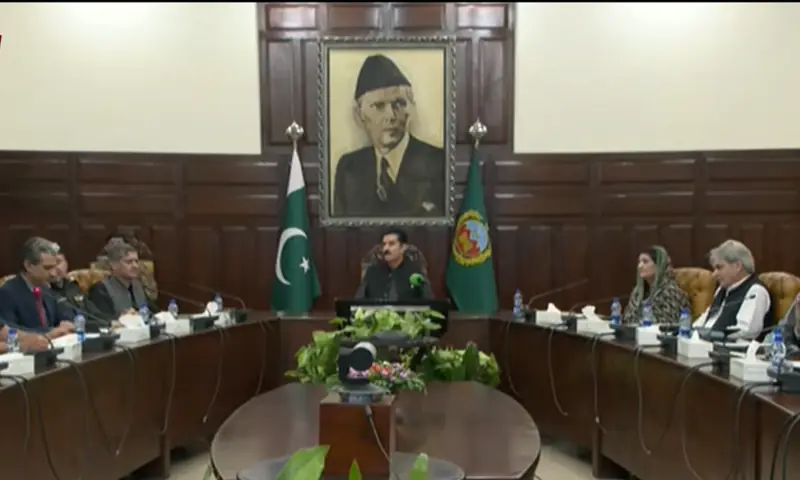
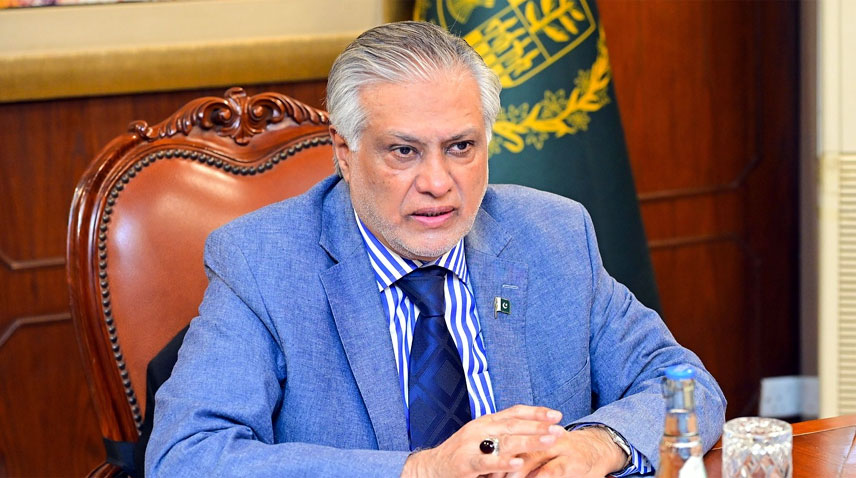
At the Balochistan National Workshop, the prime minister said legitimate grievances in the province should be addressed through a grand, frank and meaningful dialogue. He rejected violence and the targeting of workers, teachers, engineers and others involved in development work. The message was framed around a dual approach: listen to local concerns while protecting projects and communities from militancy.
Development promises
Shehbaz said Balochistan's mineral and natural resources primarily belonged to its people and should benefit them first. He also pointed to the difficulty of serving a geographically vast province where roads, schools, healthcare and basic facilities require sustained investment. The federal government, he said, had kept Balochistan's share in federal schemes 10 percent higher than its population-based share as a gesture of national solidarity.
Projects in focus
The prime minister highlighted several federal priorities, including Rs415 billion for the Karachi-Chaman N-25 project. He described the road as a possible bridge between peace and development. Gwadar was also part of the message. The government has decided to route 60 percent of federal imports of essential goods and machinery through Gwadar Port, a step meant to raise the port's use and strengthen the local economy around it.
Security and youth
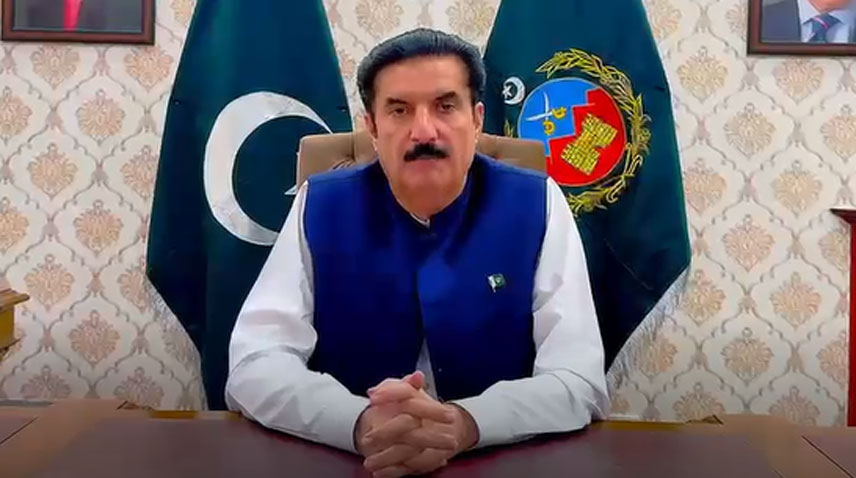
Field Marshal Munir told Balochistan's political leadership and notables that hostile elements were using foreign-sponsored proxies to destabilise the province and block development. He said peace and stability were essential for attracting investment and unlocking economic potential. He also focused on young people, arguing that youth empowerment and participation in national progress were central to sustainable development.
Why the statement matters
Balochistan has often sat at the intersection of resource politics, security concerns and complaints of underdevelopment. The latest remarks matter because they acknowledge grievances while also setting a security boundary. That combination can be constructive if dialogue is genuine, local communities see economic benefits and development projects do not feel imposed from above.
The test ahead
The challenge is delivery. Roads, port activity, solarisation of agricultural tubewells and federal allocations are measurable. So is the quality of engagement with political representatives, civil society and local communities. If the conversation remains top-down, it may not build trust. If development benefits are visible and locally shared, the tone around Balochistan can begin to shift.
The leadership's message is clear enough: Balochistan should be treated as a partner in Pakistan's future, not only as a security problem. The next stage is harder and more important. It requires turning workshop language into durable local confidence, with projects that people can see, use and believe are meant for them.
A lasting approach will also need careful language. Communities that have long complained of neglect tend to judge official statements by follow-through, not ceremony. If jobs, port activity, roads and services expand in ways that locals recognise, the dialogue message becomes stronger. If not, the development argument will remain vulnerable to mistrust.
That is why the youth emphasis is more than a slogan. Education, skills, local hiring and safer civic space are the bridge between a security conversation and a development conversation. Balochistan's young people will decide whether official plans feel distant or real. Sustained public updates would also help residents measure progress clearly.
Source links
Comments
No approved comments yet.