US Confirms Space-Control Weapons Are Now in Orbit
## Washington makes an unusual public admission The United States has publicly acknowledged that it has space-control weapons operating in orbit, a rare admission that immediately sharpened debate over military…
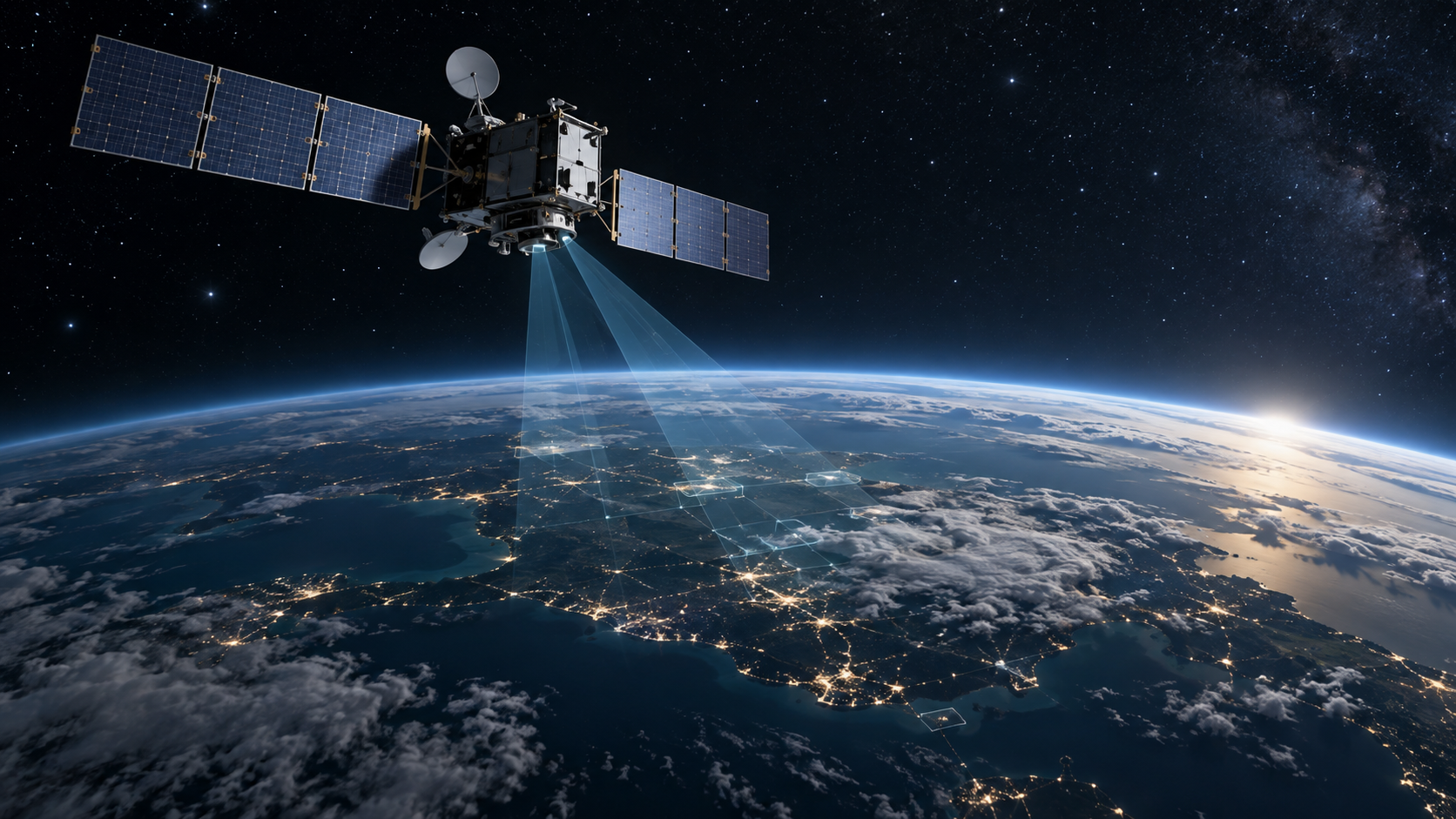
Image credit: AI-generated editorial image / Novexa News
Washington makes an unusual public admission
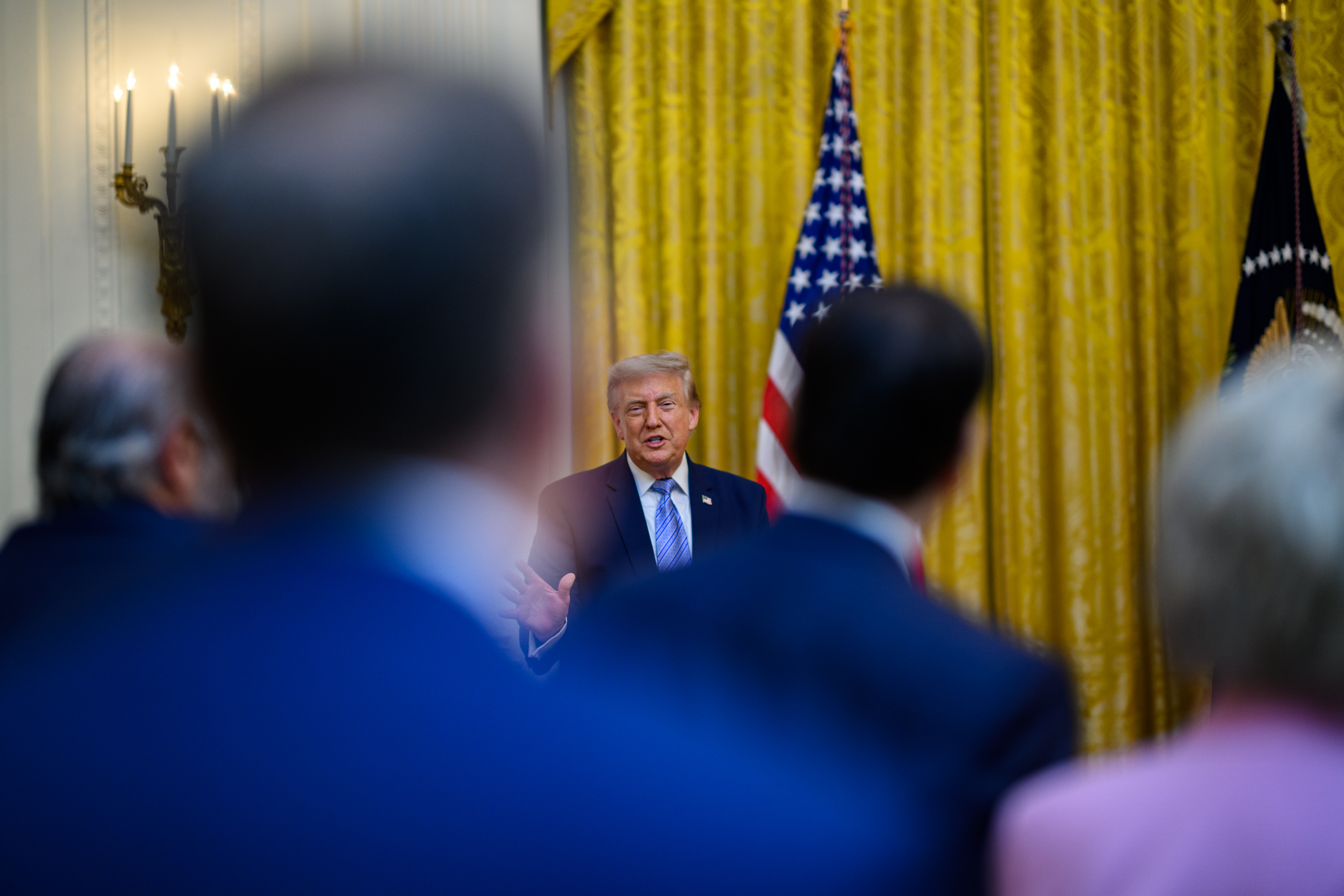
The United States has publicly acknowledged that it has space-control weapons operating in orbit, a rare admission that immediately sharpened debate over military competition beyond Earth. Air Force Secretary Troy Meink made the disclosure on September 14, 2026, during the Air and Space Forces Association's Air, Space and Cyber Conference in National Harbor, Maryland.
Meink did not identify the systems, say when they were launched or explain how they work. The important part of the announcement was the confirmation itself. Until now, Washington had usually spoken more generally about protecting satellites, improving resilience and countering threats from rival powers. Saying that on-orbit space-control weapons are already deployed marks a more direct public posture.
What space-control can mean
The phrase space-control weapons can cover a wide range of systems. It does not automatically mean nuclear arms, explosive warheads or weapons of mass destruction in orbit. In military language, space control can include tools designed to protect friendly satellites, deny an adversary use of its own space systems, disrupt sensors or interfere with communications and targeting links.
That uncertainty is part of the strategic purpose. By declining to describe the systems, the Pentagon keeps rivals guessing about whether the capability is kinetic, electronic, cyber-linked or some combination of those categories. It also avoids giving operational details that could help another state design countermeasures.
Why the timing matters
The announcement comes as satellites have become central to modern warfare and daily civilian life. Communications, navigation, weather forecasting, missile warning, banking systems and battlefield intelligence all depend on assets in orbit. A conflict that damages those systems could quickly move from a military crisis to a global economic and humanitarian problem.
US officials have increasingly warned that China and Russia are developing counter-space capabilities of their own. Those concerns include satellites that can maneuver near other spacecraft, electronic warfare tools and anti-satellite weapons that could threaten critical infrastructure. Meink framed the US capability as a response to that changing environment and as part of deterring hostile action.
China and Russia push back
China and Russia have criticized moves that they say turn space into a warfighting domain. Beijing has warned that the militarization of orbit could accelerate an arms race, while Moscow has repeatedly called for keeping weapons out of outer space. Both governments also maintain sophisticated space and counter-space programs, which is why the debate often mixes legal principles with strategic rivalry.
The public reaction matters because deterrence in space depends heavily on signals. When one major power says it has a capability in orbit, others may feel pressure to disclose, accelerate or reposition their own systems. That cycle can make crisis management harder, especially when many satellites are dual-use and serve both civilian and military missions.
The legal gap around conventional weapons
The 1967 Outer Space Treaty bars nuclear weapons and other weapons of mass destruction from being placed in orbit or stationed in space. It does not create a complete ban on all conventional military systems. That leaves a grey area for states to develop tools that can affect satellites without crossing the treaty's clearest prohibitions.
This legal gap has become more important as technology has advanced. A satellite does not need to explode to create strategic consequences. Jamming, dazzling sensors, cyber interference or close-proximity operations can disrupt a military network or a civilian service while remaining difficult to attribute quickly. That makes rules, transparency and hotlines more important than they were during the early space age.
The debris risk hangs over every scenario
The most dangerous version of space conflict is one that creates debris. Past anti-satellite tests by major powers showed how quickly fragments can threaten other spacecraft, including unrelated commercial and scientific satellites. Even a limited strike could leave debris in orbit for years, forcing operators to maneuver assets and raising costs for everyone using the same orbital environment.
That is why many analysts are watching whether the newly acknowledged US systems are designed to create physical damage or to produce reversible effects. A reversible system, such as a temporary jammer, may still be escalatory, but it carries a different long-term risk than a collision or explosion in orbit.
The US disclosure does not mean a space war is inevitable, but it does confirm that orbit is no longer a quiet supporting domain. It is now an active arena of deterrence, signaling and military planning, with consequences that could reach far beyond the governments competing there.
Source links
Comments
No approved comments yet.