US-Iran Diplomatic Talks Face Setback as Iranian Delegation Leaves New York
WASHINGTON, October 1, 2026: Diplomatic efforts between the United States and Iran have encountered a fresh setback after US Secretary of State Marco Rubio ordered the Iranian delegation attending the United Nations Gene
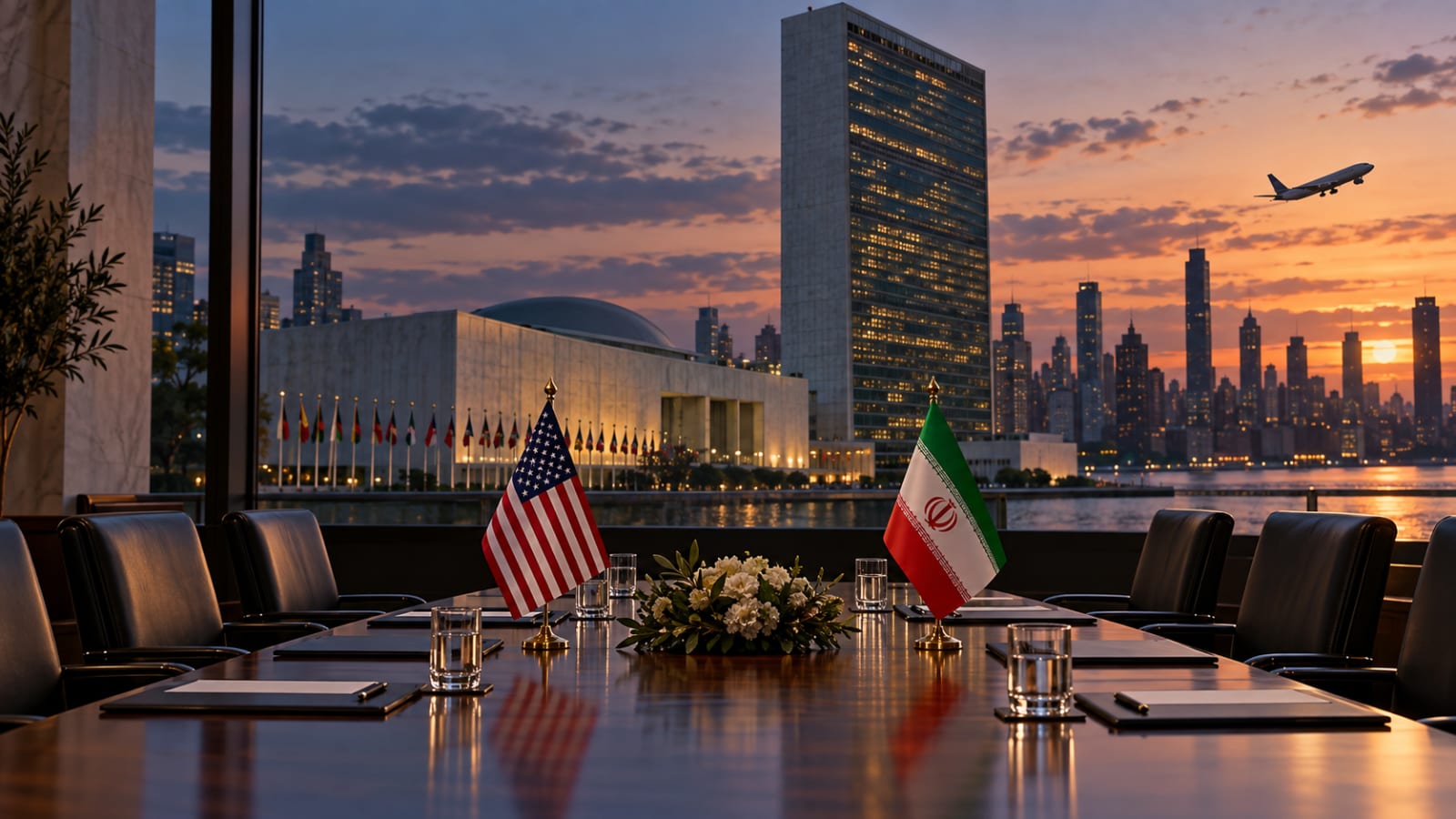
Image credit: AI-generated editorial illustration / Novexa News
WASHINGTON, October 1, 2026: Diplomatic efforts between the United States and Iran have encountered a fresh setback after US Secretary of State Marco Rubio ordered the Iranian delegation attending the United Nations General Assembly to leave the United States following stalled negotiations, according to a US official cited by Anadolu and Axios.
The US mission to the United Nations reportedly informed Iran’s UN mission on Monday that Foreign Minister Abbas Araghchi and members of his delegation were required to leave New York immediately. The development came as Washington and Tehran appeared unable to make further progress in negotiations aimed at addressing outstanding issues between the two countries.
According to the reported US account, the White House had anticipated potential movement in the negotiations earlier on Monday, but the discussions subsequently reached a stalemate. The Iranian delegation later departed New York on a flight to Doha, while another source cited in the report said Araghchi had already been scheduled to return to Tehran.
The latest development comes amid continuing diplomatic efforts to prevent further escalation between Washington and Tehran, with Qatari mediators reportedly maintaining contacts with both sides in an effort to develop a compromise proposal. The mediation reflects broader international efforts to keep channels of communication open despite significant disagreements between the United States and Iran.
Tensions between the two countries have remained high following the outbreak of conflict on February 28, when the United States and Israel launched military action against Iran. Tehran subsequently responded with missile and drone attacks across the region, while the Strait of Hormuz became a central point of concern because of its importance to global energy and maritime trade.
The diplomatic track received renewed attention after the United States and Iran signed a memorandum in June outlining immediate measures intended to restore freedom of navigation through the Strait of Hormuz and address concerns surrounding Iran’s nuclear programme. However, the latest breakdown in negotiations indicates that significant differences remain unresolved.
The departure of the Iranian delegation from the United States does not necessarily mark the end of diplomatic engagement, as regional mediators continue efforts to bring the parties closer to a possible compromise. The continuation of indirect negotiations through intermediaries could therefore remain an important avenue for preventing further escalation and addressing outstanding security and nuclear-related issues.
The latest episode also underscores the fragile nature of US-Iran diplomacy, where progress can depend heavily on negotiations over security guarantees, regional tensions, sanctions, maritime navigation and Iran’s nuclear activities. Further diplomatic engagement will likely depend on whether Washington and Tehran can overcome the current deadlock and establish sufficient common ground for renewed talks.
Source links
Comments
No approved comments yet.