Pakistan Carries Out Precision Airstrikes on Militants’ Hideouts in Afghanistan
ISLAMABAD, October 1, 2026: Pakistan has carried out what the Ministry of Information and Broadcasting described as “well-planned and calibrated” aerial strikes against suspected hideouts and safe havens of militant orga
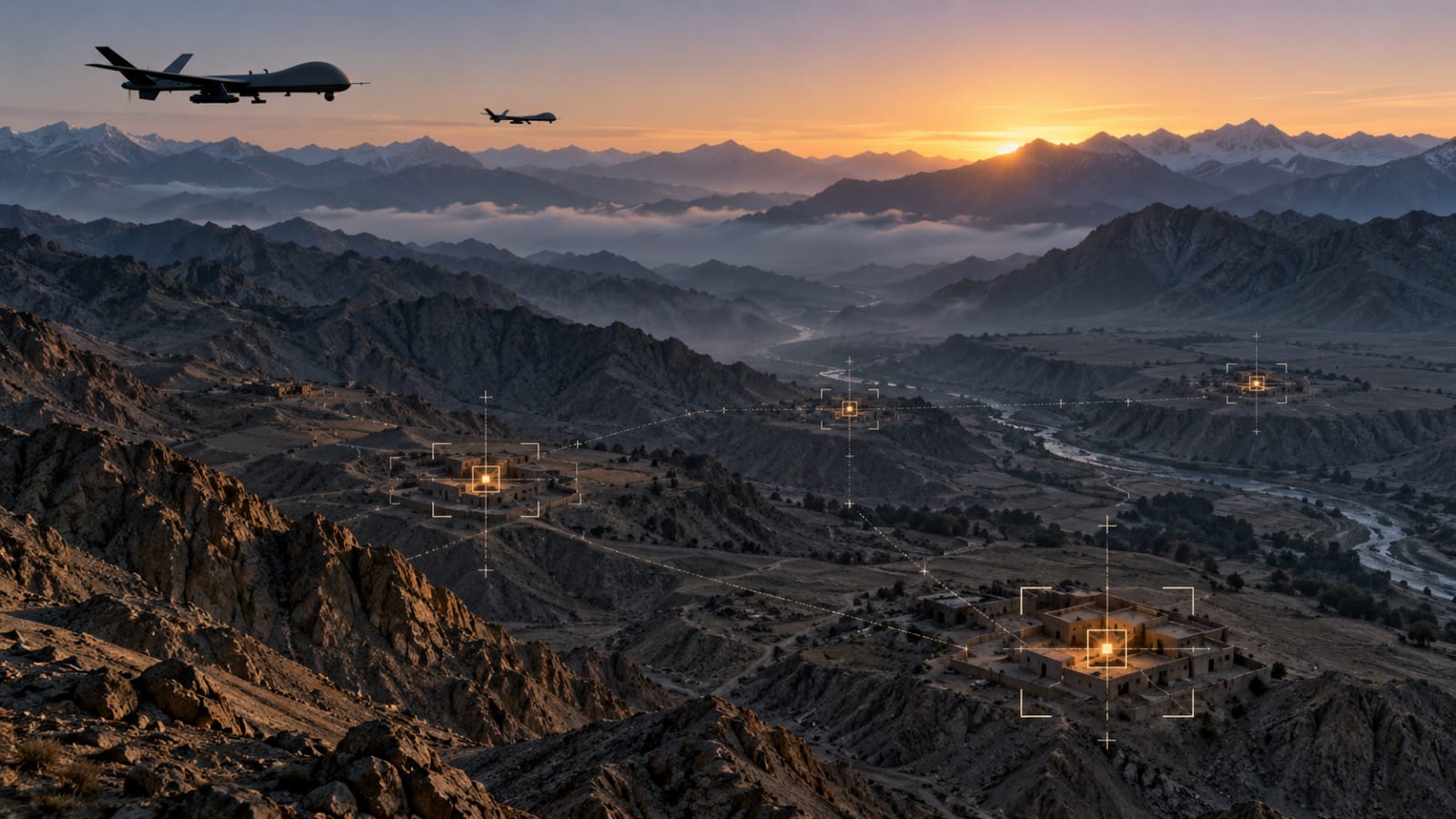
Image credit: AI-generated editorial illustration / Novexa News
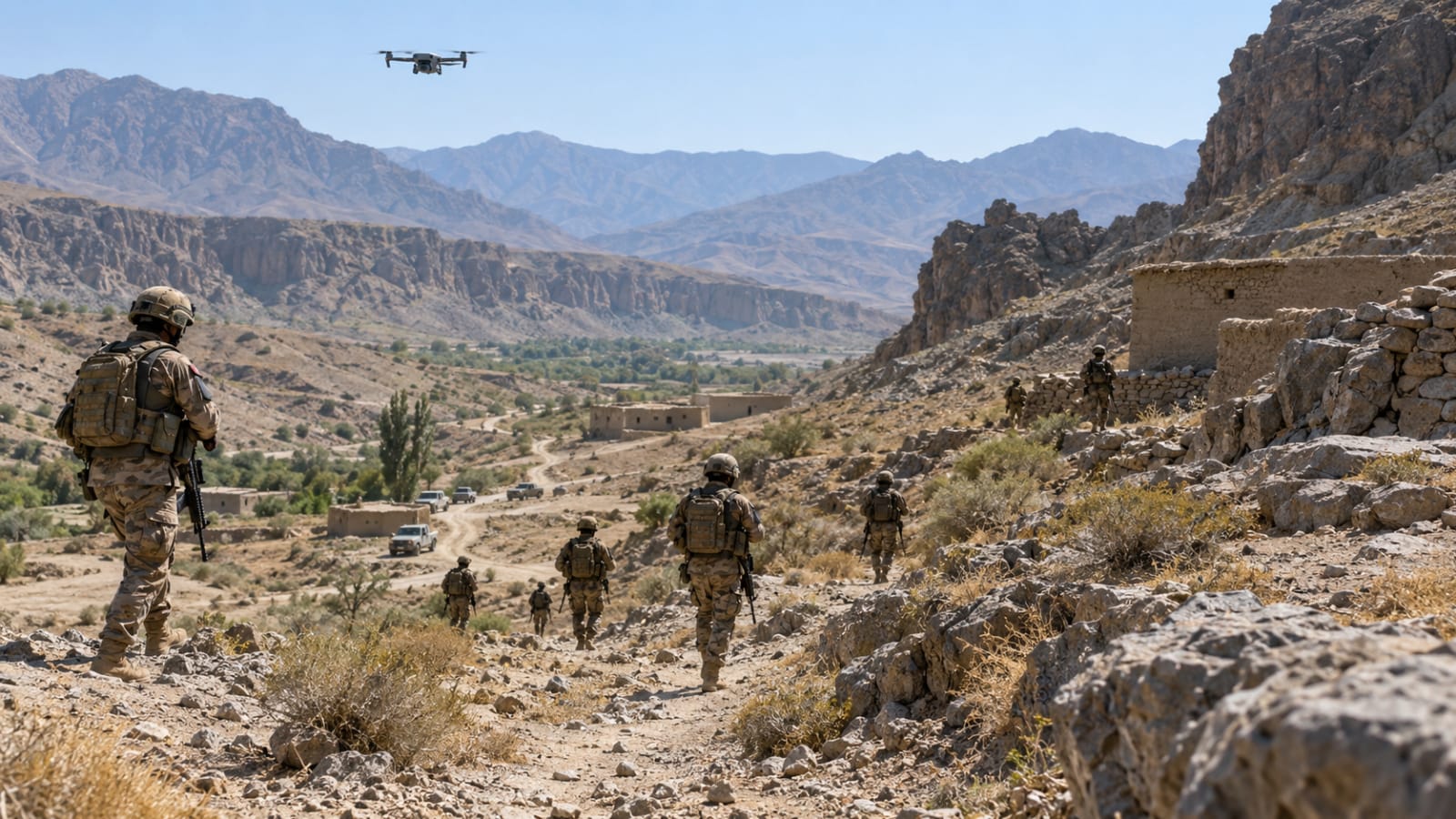
ISLAMABAD, October 1, 2026: Pakistan has carried out what the Ministry of Information and Broadcasting described as “well-planned and calibrated” aerial strikes against suspected hideouts and safe havens of militant organisations in Afghanistan, with the operation targeting sites associated with groups that Islamabad says pose a continuing security threat to Pakistan.
According to the ministry, the strikes were conducted on the basis of what it described as credible intelligence and focused on terrorist camps and hideouts located at two separate sites in Afghanistan. Pakistani authorities said the targets were struck with precision, while initial reports indicated that 22 terrorists were killed during the operation.
The Information Ministry said significant quantities of weapons and ammunition stored at the targeted locations were also destroyed during the strikes, potentially disrupting the operational and logistical capabilities of the militant networks targeted in the operation. The ministry identified the groups as Fitna al-Khawarij and Fitna al-Hindustan, terminology used by Pakistani authorities for militant organisations they associate with attacks and security threats inside Pakistan.
Officials said extensive precautions were taken before and during the operation to minimise the possibility of collateral damage. The ministry stressed that the strikes were directed specifically at militant infrastructure and were carried out following intelligence assessments concerning the presence of terrorist elements at the targeted locations.
The operation comes amid continuing tensions between Pakistan and Afghanistan over cross-border militancy and Islamabad’s allegations that armed groups are using Afghan territory to plan and facilitate attacks against Pakistan. Pakistani authorities have repeatedly called for effective action against militants operating from Afghan soil, while the issue remains a significant source of tension in relations between the two neighbouring countries.
The Information Ministry maintained that Pakistan has consistently sought peace and stability in the region and does not seek confrontation, but stressed that the protection of Pakistani citizens and national security remains the government’s foremost responsibility. Islamabad has increasingly linked its counterterrorism strategy to what it describes as the need to prevent militant networks operating from outside the country from carrying out attacks against Pakistani territory.
According to the ministry, the latest strikes were directed at terrorist hubs that Pakistan considers directly connected to threats against its security and citizens. The government said the action was therefore undertaken as part of its broader counterterrorism response rather than as a general military operation against Afghanistan.
Pakistan’s military campaign Ghazab lil Haq, being conducted under the broader Azm-e-Istehkam framework, will continue at full pace, according to the Information Ministry. Authorities said the campaign is aimed at dismantling militant networks, disrupting their infrastructure and addressing what Pakistan describes as foreign-sponsored and supported terrorism.
The latest operation also comes against the backdrop of intensified counterterrorism activities within Pakistan, particularly in Balochistan and Khyber Pakhtunkhwa, where security forces have conducted intelligence-based operations against militant groups in recent days. Pakistani officials have argued that domestic counterterrorism measures must be complemented by action against militant networks operating across the border.
While Pakistan has presented the strikes as a targeted response based on intelligence concerning militant hideouts, the operation adds another sensitive dimension to the already strained security relationship between Islamabad and Kabul. Cross-border military action can carry wider diplomatic and security implications, particularly where questions arise concerning sovereignty, civilian safety and the activities of armed groups operating in border regions.
The Pakistani government has nevertheless reiterated that its central objective remains the protection of its citizens and the elimination of militant threats, while maintaining that its broader policy seeks peace, stability and security in the region.
Source links
Comments
No approved comments yet.