Rawal Dam Spillways Open as Monsoon Rain Raises Alert
Authorities opened Rawal Dam's spillways after the reservoir reached 1,751.90 feet, while emergency teams monitored drains across Islamabad and Rawalpindi.
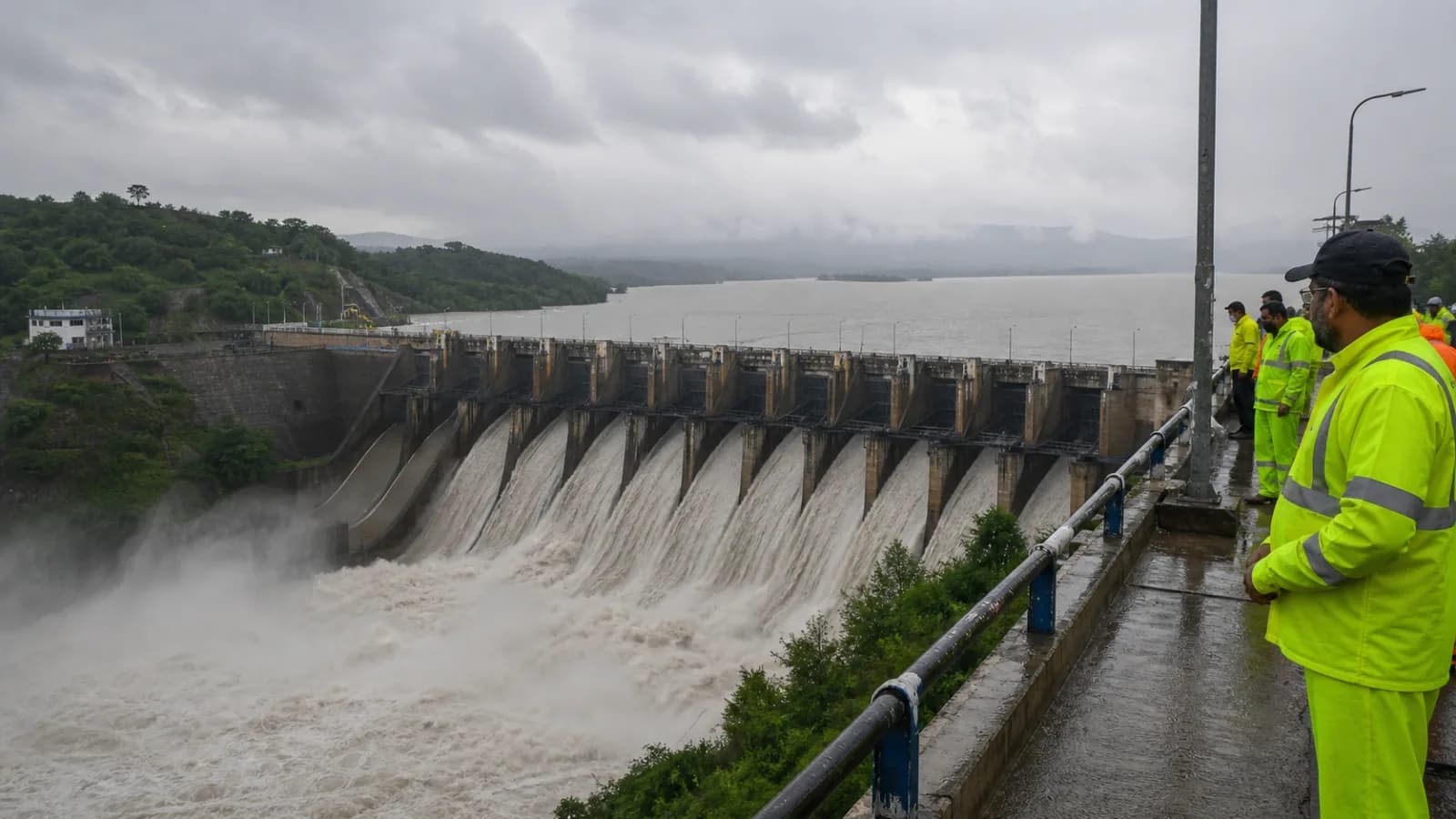
Image credit: AI-generated editorial image by Novexa News
Authorities opened the spillways at Rawal Dam on Tuesday after heavy monsoon rain pushed the reservoir to 1,751.90 feet, prompting a wider safety alert across Islamabad and Rawalpindi.
The Islamabad district administration scheduled the controlled release for 2pm on Sept. 1 and directed Rescue 1122, police and other departments to remain on alert. Residents were told to avoid streams, drains and low-lying areas where water can rise quickly after a spillway release or another intense downpour.
The action was intended to manage the reservoir level and protect dam infrastructure. Opening spillways is a controlled safety measure, but it can increase downstream flow, which is why authorities issued public warnings before the release.
Heavy rain affects the twin cities
Torrential rain inundated several low-lying areas of Islamabad. The Associated Press of Pakistan reported overflowing drains in E-11 and Ghouri Town, with water entering roads and some building basements. E-11 recorded about 150 millimetres of rain, according to the official account.
Rainfall totals were even higher at some Rawalpindi monitoring points. Reports citing local authorities said Shamsabad recorded 195mm, New Kattarian 180mm and Golra 157mm, while a Pakistan Meteorological Department station recorded 146mm.
Such concentrated rainfall can overwhelm urban drainage within a short period, especially where channels are obstructed or development has reduced natural absorption. Water on roads also hides open drains, damaged surfaces and electrical hazards.
Nullah Lai levels monitored closely
Officials kept watch on Nullah Lai, the major rain-fed channel passing through Rawalpindi. Deputy Commissioner Nadeem Nasir said the level at Gawalmandi had fallen from an earlier 26 feet to 21 feet, while Kattarian was also recorded at 21 feet.
Warning sirens were sounded when the flow increased, and residents near the channel were alerted. A falling reading is encouraging, but it does not remove the risk while rain continues upstream. Water can rise again rapidly if another heavy spell reaches the catchment.
Emergency teams were also monitoring other drains and vulnerable points across the twin cities. District authorities asked the public to follow official instructions and avoid gathering near flood channels to watch the water.
Rain-related deaths and damage reported
Local reports said a roof collapse in Islamabad killed one man and injured another. Rescue workers recovered both people from the debris and transferred them to the Pakistan Institute of Medical Sciences.
In Rawalpindi, police reported that a 50-year-old man, identified as Ibrahim Qaiser, died from electrocution after rainwater entered his home in Arya Mohalla. The incident underlined the danger created when floodwater comes into contact with exposed wiring or electrical equipment.
These cases were separate from the spillway operation, but they formed part of the wider emergency caused by the same severe weather system.
Why Rawal Dam releases require caution
Rawal Dam supplies water to Rawalpindi and is connected to downstream channels through the Korang River system. When the reservoir approaches its operating limit, controlled releases help create capacity for additional inflow.
People living or working near downstream waterways should move livestock, vehicles and equipment away from channel edges. Drivers should not attempt to cross moving water, even when a road or bridge appears familiar. The depth and speed of a flood current are difficult to judge from inside a vehicle.
Residents should also avoid touching electrical poles, exposed cables or submerged appliances. Families in low-lying neighbourhoods can reduce risk by keeping identification, medicines and essential documents ready in case local authorities order an evacuation.
What happens next
The administration is expected to adjust spillway operations according to rainfall, reservoir inflow and downstream conditions. Further releases are possible if heavy rain continues, while gates may be reduced once the water level stabilises.
People in Islamabad and Rawalpindi should rely on district administration, Rescue 1122 and meteorological updates rather than unverified social-media warnings. The situation remains weather-dependent, and readings from Rawal Dam and Nullah Lai may change quickly.
Frequently asked questions
Why were the Rawal Dam spillways opened?
The reservoir reached 1,751.90 feet after heavy rain, and authorities opened the gates to manage the rising level safely.
Which areas should residents avoid?
Officials advised people to stay away from drains, natural water channels, low-lying areas and downstream locations affected by the controlled release.
Is the flood risk over because Nullah Lai began falling?
No. The level had declined at Gawalmandi, but renewed rainfall can cause another rapid rise, so monitoring and public caution remain necessary.
Source links
Comments
No approved comments yet.