Rain and flooding risk as Typhoon Dolphin hits China
Typhoon Dolphin has made landfall on China’s east coast after passing through Japan’s Okinawa prefecture, where six people were injured and power outages hit more than 50,000 buildings
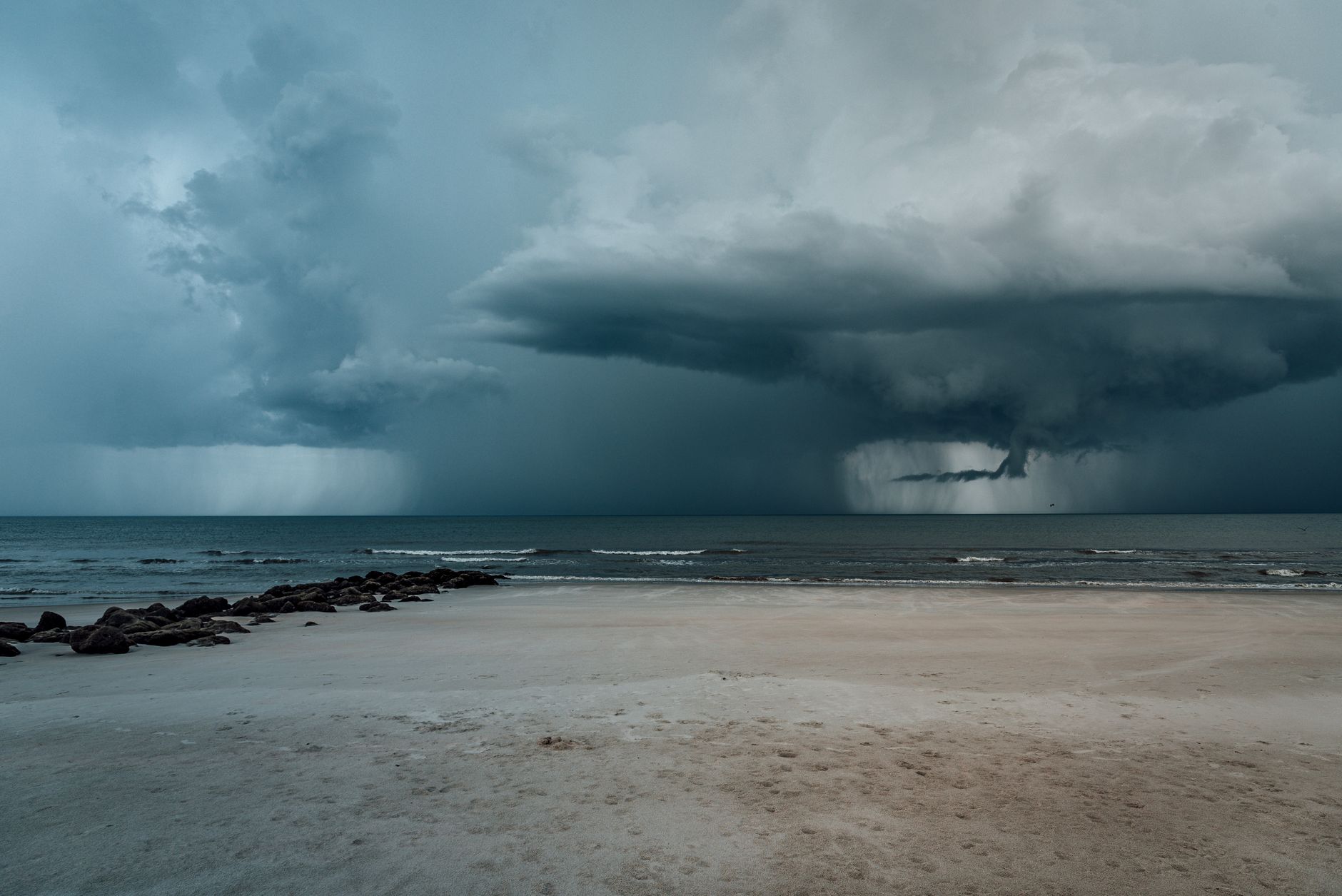
Image credit: Photo by Connor Scott McManus on Pexels
Typhoon Dolphin has made landfall on China’s east coast, bringing a new period of heavy rain and strong winds to affected areas and prompting warnings over flooding and landslides.
Typhoon Dolphin brings rain to China
According to The Guardian World, Typhoon Dolphin is the most powerful tropical cyclone to hit China this year. The storm reached the country’s east coast after moving through Japan’s southern Okinawa prefecture, where it caused disruption before arriving in China.
The latest phase of the storm is being marked by torrential rain and strong winds. Those conditions are significant because they can quickly lead to flash flooding, hazardous travel and damage to infrastructure, especially in coastal and low-lying areas. Warnings for flooding and landslides indicate that the risk from the system is not limited to wind alone.
Damage and disruption reported in Okinawa
Before landfall in China, Typhoon Dolphin passed through Okinawa, where six people were injured, according to the source report. The storm also cut power to more than 50,000 buildings in the Japanese prefecture, showing the scale of the disruption it has already caused.
That earlier impact is relevant for understanding the storm’s broader regional effect. As systems of this kind move across multiple countries or territories, the consequences can change from one location to another, but rainfall, wind and service outages often remain central concerns.
Why the storm matters
The combination of heavy rain, strong winds and official warnings makes Typhoon Dolphin a serious weather event for China’s east coast. Even without additional details on the exact local impact, the available information suggests the storm is likely to remain a concern for emergency planning and public safety in the short term.
The fact that it is described as China’s strongest tropical cyclone this year adds context to the scale of the event. In practical terms, that means residents and local authorities are dealing with one of the most significant storms of the season.
What happens next
The supplied information does not include a further forecast or damage assessment, so the immediate focus remains on the storm’s ongoing effects, including rain, wind and the risk of flooding and landslides. Further official updates would be needed to confirm the full extent of disruption in China after landfall.
For now, Typhoon Dolphin has already left a clear footprint across the region, moving from Okinawa to China with dangerous weather and significant disruption in its path.
Source links
Comments
No approved comments yet.