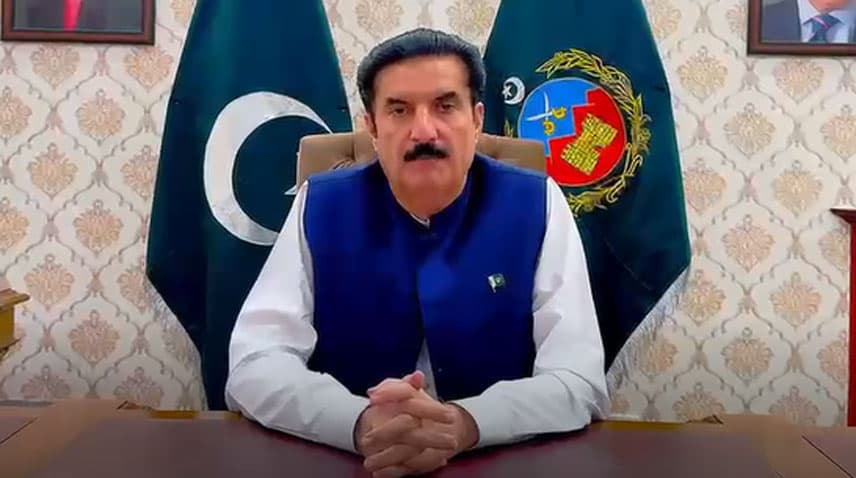
PML-N Wins AJK Speaker and Deputy Speaker Elections
PML-N nominees Chaudhry Tariq Farooq and Ahmed Raza Qadri won the AJK Assembly speaker and deputy speaker elections in Muzaffarabad.

Image credit: AI-generated editorial illustration by Novexa News
MUZAFFARABAD: The Azad Jammu and Kashmir Legislative Assembly moved into a decisive stage of government formation on Tuesday, August 25, 2026, as Pakistan Muslim League-Nawaz nominees Chaudhry Tariq Farooq and Ahmed Raza Qadri won the contests for speaker and deputy speaker.
The result gives the PML-N control of two important parliamentary offices at the start of the new assembly term. Farooq was elected speaker after securing 32 votes, according to HUM News English, defeating Pakistan Peoples Party candidate Qasim Majeed, who received 13 votes. Qadri was also elected deputy speaker with 32 votes.
What happened in Muzaffarabad
The assembly election followed scrutiny of nomination papers earlier in the day. Aaj English TV reported before polling that nomination papers of all contestants had been declared valid, clearing the way for voting inside the AJK Legislative Assembly.
The schedule placed the speaker's election at 2pm and the deputy speaker's election at 3pm. The contests were closely watched because they came immediately after the new assembly began its formal work and because both the PML-N and PPP had fielded candidates for the two posts.
By the end of voting, the PML-N had secured both offices. Farooq became the 16th speaker of the AJK Legislative Assembly, while Qadri became the 15th deputy speaker, according to the post-election report by HUM News English.
Candidates in the race
The PML-N put forward Chaudhry Tariq Farooq for speaker and Ahmed Raza Qadri for deputy speaker. The PPP nominated Qasim Majeed for speaker and Abdul Ghaffar Lone for deputy speaker, according to the nomination list reported by Aaj English TV.
The party contest gave the vote a wider political meaning. The speaker and deputy speaker posts are not cabinet positions, but they shape how the assembly conducts debate, handles motions, manages order in the house and gives members time to speak.
For the PML-N, winning both offices strengthens its position at the start of the assembly term. For the PPP, contesting the vote allowed it to test its support inside the house and signal that it intends to remain active in parliamentary proceedings.
Why the speaker post matters
The speaker is responsible for presiding over assembly sessions, maintaining order and applying parliamentary rules. In practical terms, the office can influence the rhythm of the house: how debate is managed, how opposition points are heard and how legislative business moves through the chamber.
The deputy speaker performs those duties when the speaker is absent and can become important during long sessions, politically charged debates or moments when procedural decisions are contested.
That is why the election is more than a ceremonial step. A new assembly cannot settle into normal legislative work without its presiding officers in place. The result therefore helps complete the institutional setup needed before the house turns toward government business and public policy issues.
A test of early numbers
The vote also offered an early signal of where the numbers stand after the recent AJK election process. HUM News English reported that Farooq won with 32 votes against 13 for Qasim Majeed. The same report said Qadri also secured 32 votes in the deputy speaker contest.
Those figures matter because assembly office elections often reveal the strength of party alignments before more difficult political decisions arrive. They show who can bring members into the chamber, keep support together and win a formal ballot.
The PML-N will read the outcome as a strong start. The PPP, meanwhile, will likely look at the vote as a baseline for how it positions itself in future debates and how it coordinates with other members on legislative matters.
Focus now turns to assembly work
With the speaker and deputy speaker elected, attention is expected to shift toward the next stages of the new assembly's work. The immediate task for the presiding officers will be to run proceedings in a way that keeps the house functional and gives government and opposition members room to participate.
The early days of a new assembly are often shaped by procedure: oath-taking, office elections, formation of government business and the beginning of committee and legislative activity. Each step can look technical from outside, but together they decide how smoothly the elected house begins its term.
For voters in Azad Jammu and Kashmir, the larger test will be whether the new assembly can move from political contest to governance. Issues of development, public services, local administration and representation will need floor time once the procedural phase is complete.
Political meaning of the result
The result gives the PML-N momentum inside the chamber and places Farooq and Qadri in roles that require neutrality once they take the chair. The speaker's authority depends not only on the party vote that brings him to office, but also on how fairly he is seen to conduct proceedings afterward.
That balance will be watched carefully. Government members will want the assembly agenda to move efficiently, while opposition lawmakers will expect space to raise objections, question decisions and place political concerns on the record.
The PPP's participation also keeps the contest visible. Even where the PML-N has the stronger numbers, a functioning assembly depends on both sides accepting the rules of debate and using the forum for political argument rather than procedural deadlock.
The election of Chaudhry Tariq Farooq and Ahmed Raza Qadri therefore closes one phase and opens another. The PML-N has won the key assembly offices, but the real measure of the new leadership will come in the sessions ahead, when the house begins dealing with the work that affects people across Azad Jammu and Kashmir.
Source links
Comments
No approved comments yet.