PML-N Takes Command as New AJK Assembly Opens
The new AJK Assembly opened with 46 lawmakers taking oath as PML-N entered the house with the strongest numbers after direct and reserved-seat contests.

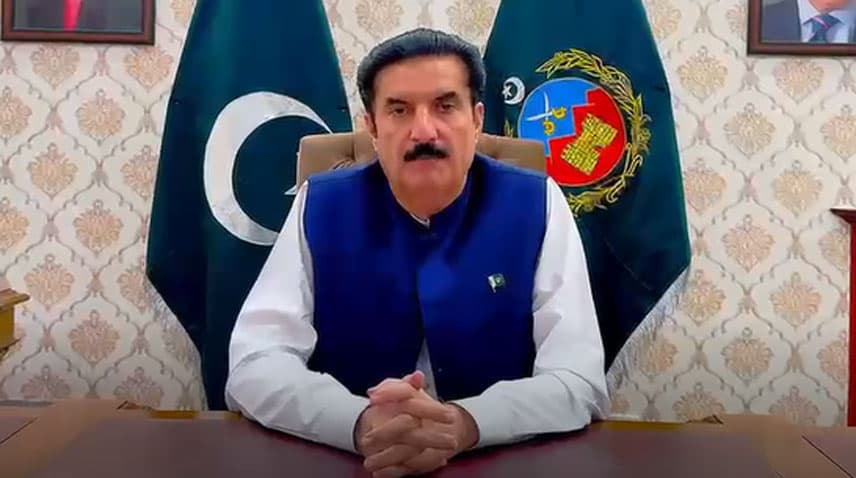
Image credit: AI-generated editorial illustration by Novexa News
MUZAFFARABAD: The newly elected Azad Jammu and Kashmir Legislative Assembly began its parliamentary term this week with 46 members taking oath, setting the stage for government formation after a strong showing by the Pakistan Muslim League-Nawaz.
Outgoing speaker Chaudhry Latif Akbar administered the oath to the newly elected members at the inaugural sitting. The session was more than a formal start to the new house. It also confirmed the changed balance inside the 53-member assembly, where the PML-N has emerged as the largest political force after the recent elections and reserved-seat process.
PML-N leads the new house
The AJK elections were held in phases from July 27 to August 10, 2026. In the directly contested seats, the PML-N won 25 of the 38 constituencies where polling was held, while the Pakistan Peoples Party secured 12. One seat went to Awami Dast-o-Bazu, whose lone member later aligned with the PML-N.
That alignment gave the PML-N an important head start before the reserved-seat phase. The party then expanded its numbers by winning six of the eight reserved seats, strengthening its position before the election of the speaker, deputy speaker and prime minister.
Reserved seats add to the numbers
The reserved seats helped define the final shape of the new assembly. PML-N candidates won three women's reserved seats along with seats reserved for Ulema and Mashaikh, overseas Kashmiris and technocrats.
The PML-N winners on women's seats included Sehrish Qamar, Maryam Zaman Kashmiri and Maryam Idrees, according to reports from the assembly process. Abdul Rehman Arain secured the seat for overseas Kashmiris, Barrister Iftikhar Gilani won the technocrat seat and Pir Mazhar Saeed Shah took the Ulema and Mashaikh seat.
The PPP also secured two women's reserved seats, with Farzana Yaqoob and Zubia Khurshid elected. One contest drew particular attention after PML-N candidate Riffat Abid and PPP candidate Zubia Khurshid received five votes each. The tied contest was decided through a draw, and Khurshid was declared successful.
Why the oath session mattered
The oath-taking formally allowed the new lawmakers to begin their constitutional responsibilities. Without that step, the assembly could not move properly into the election of presiding officers and the next stages of government formation.
For the PML-N, the first sitting carried political weight because it showed the party's ability to consolidate support after the election. For the PPP, it marked the start of an opposition role in a house where numbers currently favor the PML-N.
The beginning of a new assembly also matters for public expectations. Voters in Azad Jammu and Kashmir will now look beyond seat counts and party negotiations toward the delivery of governance, development work and legislative debate.
Prime minister election comes next
With members sworn in, attention has shifted to the remaining parliamentary steps. The assembly has to elect its speaker and deputy speaker before moving toward the election of the leader of the house and the formation of the cabinet.
PML-N AJK president Shah Ghulam Qadir has been discussed in media reports as a strong contender for the prime minister's office. Party leaders have framed the result as a responsibility to focus on governance and development rather than only celebrating the electoral win.
The party's majority gives it a clear advantage, but the next phase will test how smoothly it manages internal expectations, cabinet choices and relations with opposition members.
A larger political signal
The new assembly's composition suggests a major shift in AJK politics. A strong PML-N bloc, joined by an ally and reinforced through reserved seats, gives the party room to shape the early legislative agenda.
At the same time, political stability will depend on how the new house is run. The speaker's office, committee work and floor management will all affect whether debates stay productive or turn into repeated confrontation.
The PPP's presence remains significant because it has enough members to question government decisions, raise local concerns and shape the tone of opposition politics. A one-sided assembly can still become politically noisy if the opposition feels excluded from the process.
What voters will watch
For ordinary citizens, the first question is whether the new government can move quickly from office elections to practical work. AJK faces familiar governance demands, including development priorities, public services, local administration and representation of communities spread across territorial and refugee constituencies.
The early numbers give the PML-N an opportunity to govern with confidence. They also put more responsibility on the party to avoid delays and internal disputes that could slow the new term before it properly begins.
The oath-taking of 46 lawmakers therefore marks the formal opening of a new political chapter in Azad Jammu and Kashmir. The PML-N begins that chapter in the strongest position, but the durability of its mandate will be judged by the work that follows inside the assembly and across the region.
Source links
Comments
No approved comments yet.