Over 1.2 Million Students Now Enrolled in Pakistan's Non-Formal Education Centres
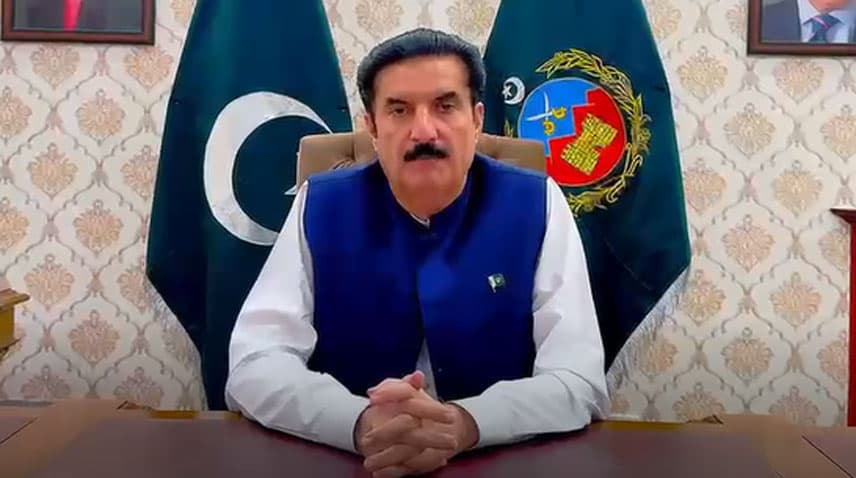
Pakistan's Federal Secretary for Education said over 1.2 million students are now enrolled across 30,543 non-formal education centres nationwide, following the declaration of a National Education Emergency.
Pakistan's push to get out-of-school children into some form of education is showing measurable results, with federal officials reporting more than 1.2 million students now enrolled across a nationwide network of non-formal education centres.
The Scale Of The Program
Federal Secretary for the Ministry of Federal Education and Professional Training, Nadeem Mehboob, said more than 1.2 million students are enrolled across 30,543 non-formal education centres nationwide. A network of that size, over thirty thousand centres reaching well over a million students, represents a substantial parallel education infrastructure operating alongside Pakistan's traditional school system, specifically designed to reach children the formal system has not been able to enroll or retain.
Why Non-Formal Education Centres Exist
Non-formal education centres typically serve children who, for various reasons, poverty, geographic isolation, child labor, gender-related barriers, or lack of nearby formal schools, have fallen outside Pakistan's traditional education system entirely. Pakistan has long faced one of the world's largest out-of-school children populations, making this kind of flexible, non-formal education infrastructure an important tool for reaching students formal schools alone have struggled to capture, particularly in remote or underserved areas.
The National Education Emergency Context
Mehboob's comments came following the government's declaration of a National Education Emergency, framing this scale-up of non-formal education centres as part of the government's top priority response to that declared crisis. Declaring a formal education emergency signals the government views Pakistan's out-of-school children numbers as a genuine national crisis requiring urgent, coordinated response rather than incremental, business-as-usual policy adjustments.
What 1.2 Million Enrollments Actually Represents
While 1.2 million enrollments across non-formal centres marks real, measurable progress, it still represents only a portion of Pakistan's total out-of-school children population, which independent estimates have placed in the tens of millions. Reaching this scale of enrollment through non-formal centres specifically demonstrates the model can work at real scale, even as it underscores just how much further the broader effort needs to go before Pakistan meaningfully closes its out-of-school children gap.
What Comes Next
Sustaining and expanding this non-formal education network will require continued funding, teacher training and monitoring to ensure the centres deliver genuine educational value rather than simply enrollment numbers on paper, a distinction education researchers consistently emphasize matters as much as raw enrollment figures. As the National Education Emergency response continues, officials will likely face pressure to show not just how many students are enrolled, but how many are actually gaining functional literacy, numeracy and a viable pathway toward further education or vocational training as a result.
Provincial education departments will also play a critical role in whether this national push translates into consistent quality across all 30,543 centres, since non-formal education programs have historically faced challenges maintaining uniform teaching standards across such a large, geographically dispersed network. International donors and development partners who have supported similar initiatives in the past are likely to watch Pakistan's outcomes closely, given how directly this effort could inform out-of-school children strategies in other countries facing comparable education access gaps, from neighboring South Asian states to sub-Saharan nations wrestling with similar enrollment shortfalls.
Comments
No approved comments yet.