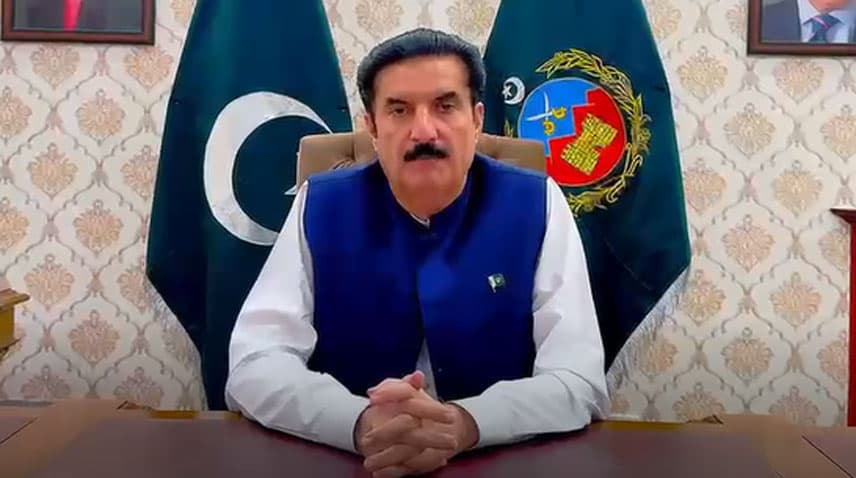
Newly Appointed CNSC Aamer Raza Meets CDF Asim Munir in Rawalpindi
General Aamer Raza met with Chief of Defence Forces and Chief of the Army Staff Field Marshal Asim Munir at General Headquarters in Rawalpindi, according to the military's media wing.

A newly appointed senior military officer made his first formal call on Pakistan's top military leadership this week, a routine but closely tracked step in the country's tightly structured military hierarchy.
The Meeting Itself
General Aamer Raza, in his newly appointed role, met with Chief of Defence Forces and Chief of the Army Staff Field Marshal Asim Munir at General Headquarters in Rawalpindi, according to the military's media wing, ISPR. Meetings of this kind, a newly appointed senior officer formally calling on the country's top military leader, follow well-established protocol within Pakistan's military structure, marking the formal beginning of that officer's engagement with senior command in their new capacity.
Why These Meetings Get Formally Announced
ISPR's decision to publicize this meeting reflects the institutional importance Pakistan's military places on visibly reinforcing its chain of command and leadership continuity, particularly for roles carrying significant strategic or operational responsibility. Public confirmation of senior leadership meetings also serves a broader signaling function, demonstrating institutional stability and clear command structure to both domestic and international audiences monitoring Pakistan's military leadership.
What CNSC Represents Within The Military Structure
The CNSC position Raza has newly assumed carries specific institutional responsibilities within Pakistan's broader defence establishment, the kind of senior appointment that typically follows a distinguished career progression through the ranks. Senior appointments like this one are closely watched within Pakistan's military and security community, both for what they signal about individual career trajectories and for how they shape the broader composition of the country's top military leadership at any given time.
The Broader Context Of Military Leadership Continuity
Pakistan's military has placed considerable institutional emphasis on structured, predictable leadership transitions and formal protocol around senior appointments, particularly given the armed forces' significant role in the country's broader political and security landscape. A newly appointed officer's formal meeting with the CDF fits into that broader pattern of institutional continuity, reinforcing clear lines of command and ensuring new senior appointees are formally integrated into the existing command structure without ambiguity.
What Comes Next
Raza will now take up his full responsibilities in the CNSC role, with this meeting marking the formal starting point of that tenure within Pakistan's military hierarchy. Further public engagements and formal duties tied to the position are likely to follow as he settles into the role, continuing the kind of institutional visibility ISPR routinely provides for senior military leadership activities, a pattern of formal, publicized engagement that has become a consistent feature of how Pakistan's military communicates its internal leadership structure to the public.
Military analysts tracking Pakistan's senior command appointments note that meetings like this one, while procedurally routine, often provide one of the few public windows into how the country's top military leadership structure is evolving, given how much of Pakistan's military decision-making otherwise occurs outside public view, making even routine, protocol-driven meetings like this one a small but genuine data point for analysts and observers tracking the institution's internal structure and leadership continuity over time and across successive command generations.
Comments
No approved comments yet.