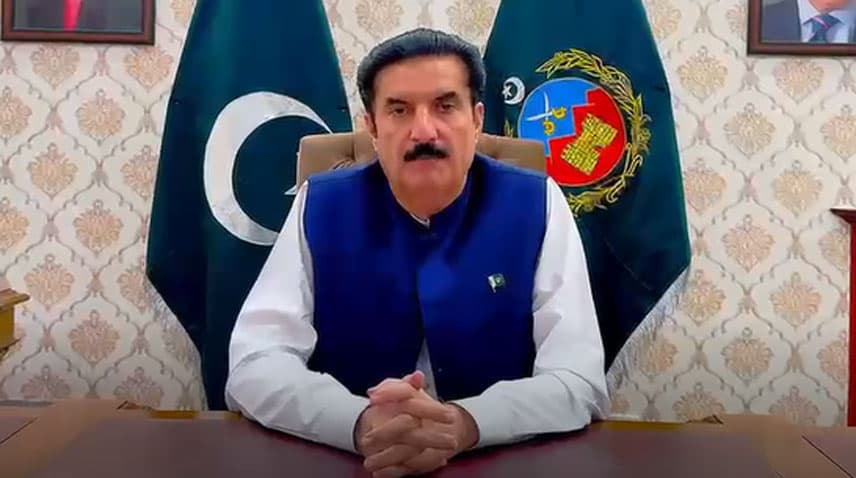
Naqvi Inaugurates Modern Frontier Corps Hospital in Turbat
Federal Interior Minister Mohsin Naqvi inaugurated a state-of-the-art Frontier Corps Balochistan South Hospital in Turbat, describing it as a much-needed addition to the region's healthcare services.
A new healthcare facility opened its doors in one of Balochistan's more remote districts this week, with Federal Interior Minister Mohsin Naqvi personally inaugurating what officials describe as a state-of-the-art hospital in Turbat.
A New Facility For An Underserved Region
Naqvi inaugurated the Frontier Corps Balochistan South Hospital in Turbat, describing the facility as a much-needed addition to healthcare services in the area. Turbat and the broader Makran division have historically faced significant gaps in accessible, quality healthcare infrastructure, making a new state-of-the-art facility a genuinely significant development for residents who have often had to travel considerable distances for advanced medical care.
Why The Frontier Corps Runs This Hospital
The Frontier Corps, Pakistan's paramilitary force responsible for security in Balochistan and other border regions, operating a hospital reflects a broader pattern where security institutions in remote, underserved areas end up filling healthcare infrastructure gaps that civilian systems have struggled to address adequately on their own. That arrangement gives Frontier Corps personnel and their families direct access to quality care while also, in this case, extending services described as beneficial to the broader Turbat community.
Why A Federal Minister Made The Trip
Naqvi personally traveling to Turbat for the inauguration signals the federal government wanted to attach real political weight to the opening, rather than delegating the ceremony to provincial or purely military officials. Interior ministers overseeing security-related infrastructure investments in Balochistan specifically often use these visits to reinforce a broader message about federal government engagement and investment in a province that has periodically felt underserved by Islamabad on both security and development fronts.
What This Means For Local Healthcare Access
A state-of-the-art hospital in Turbat has the potential to meaningfully reduce the burden on residents who previously needed to travel to Quetta or further afield for more advanced medical treatment, journeys that carry real cost, time and risk, particularly for serious or emergency medical conditions. Improved local access to quality healthcare infrastructure is consistently cited as one of the more tangible ways government investment can build goodwill in regions where broader development and security challenges have sometimes strained public trust in state institutions.
What Comes Next
The hospital's actual impact will depend on how effectively it is staffed, resourced and maintained over time, factors that will determine whether this inauguration marks a genuine, lasting improvement in Turbat's healthcare access or simply a well-publicized opening. Local residents and Frontier Corps personnel alike will be the ultimate judges of whether the facility delivers on the much-needed addition Naqvi described at the ceremony.
Health officials in Balochistan will also be watching whether this hospital's model, a security institution directly filling a civilian healthcare gap, gets replicated in other underserved districts across the province, or remains a one-off investment tied specifically to Turbat's particular security and logistical circumstances. Either way, the opening adds one more data point to the broader, still unresolved conversation about how best to close Balochistan's persistent healthcare access gaps, one clinic and one district at a time.
Comments
No approved comments yet.