Mohsin Naqvi Holds Tehran Talks on Pakistan-Iran Ties and Regional Tensions
Interior Minister Mohsin Naqvi holds talks in Tehran on Pakistan-Iran cooperation, border security and escalating regional tensions.
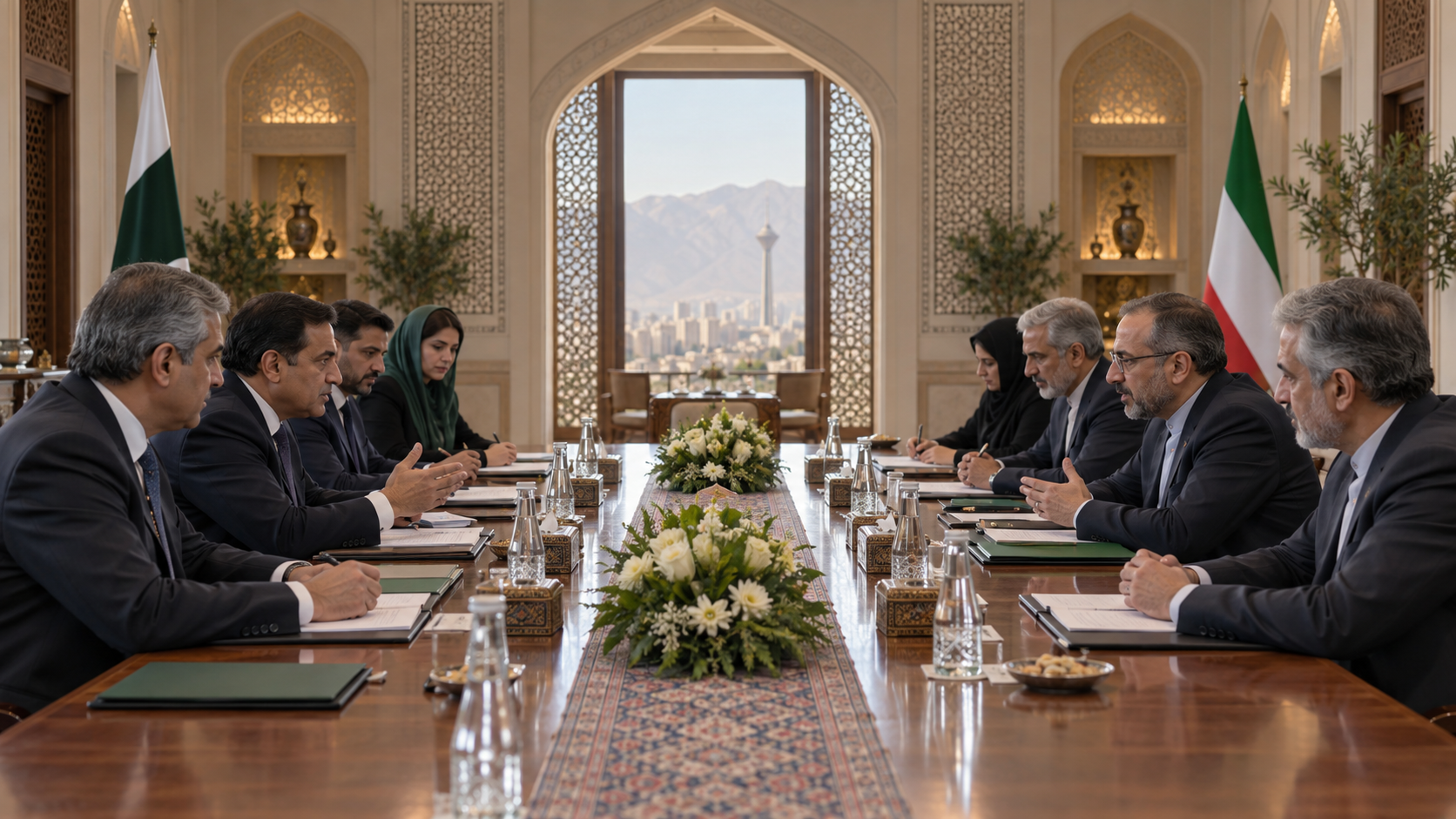
Image credit: AI-generated editorial illustration by OpenAI
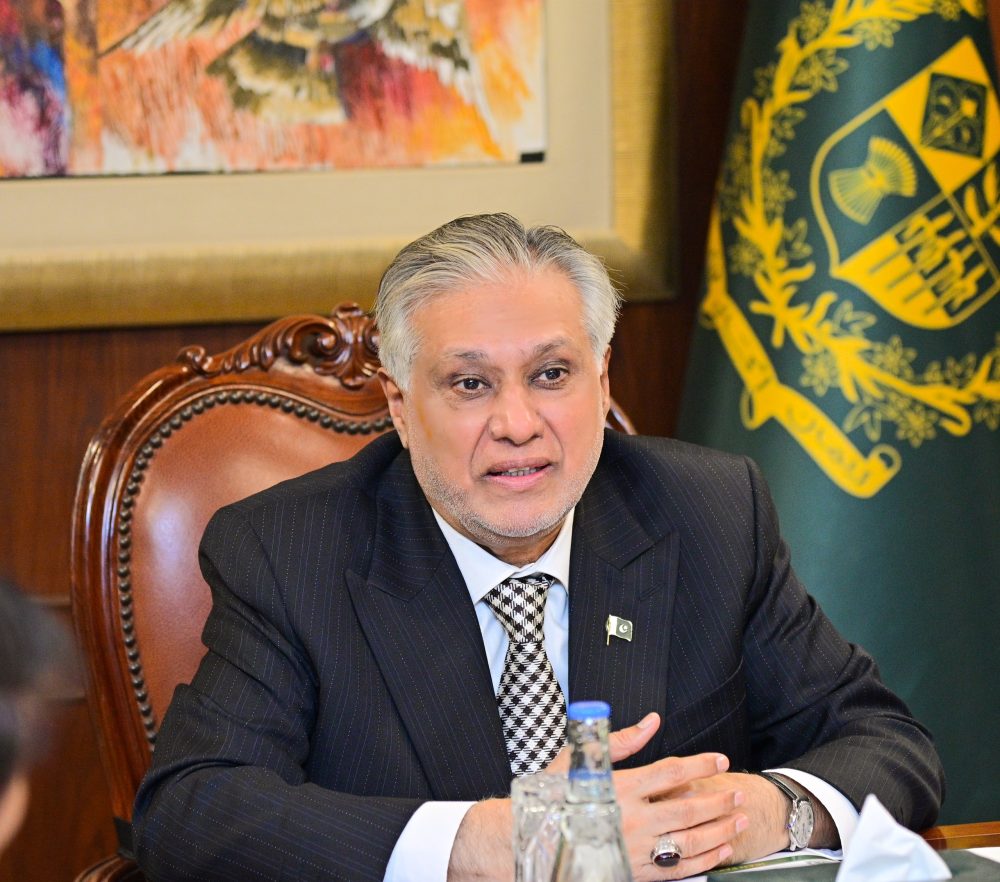
Interior Minister Mohsin Naqvi has arrived in Tehran for high-level consultations with Iranian officials, placing bilateral cooperation, border security and the rapidly changing regional situation at the centre of another round of Pakistan-Iran engagement.
Iranian Interior Minister Eskandar Momeni received Naqvi in the Iranian capital. The two sides discussed bilateral relations and regional developments, according to reports citing the governments.
Business Recorder reported that Naqvi was received by Momeni after arriving on Monday. Iranian officials said the visit would follow up on understandings reached by the two countries' leadership.
The discussions take place as conflict and shipping disruption across West Asia affect energy supplies, trade routes and security calculations. Pakistan shares a long border with Iran and has direct interests in preventing regional escalation from spilling into cross-border commerce or domestic security.
Bilateral agenda
Pakistan and Iran cooperate on border management, trade, religious travel and law enforcement, but the relationship has also faced periodic strain over militant attacks and allegations that armed groups use territory across the frontier.
Regular ministerial contact is intended to prevent those disputes from escalating and to improve operational coordination. Border markets and transport links are especially important for communities in Balochistan and Iran's Sistan-Baluchestan province, where formal trade and local livelihoods are closely connected.
Arab News Pakistan reported that Naqvi and Momeni reviewed ongoing cooperation alongside the wider regional situation. Specific agreements or timelines from the latest meeting had not been publicly detailed at the time of writing.
The visit follows earlier Pakistani contacts with Tehran. Naqvi has travelled to Iran several times, and Field Marshal Syed Asim Munir visited in August for discussions that included regional tension and de-escalation.
Novexa reported that earlier visit as part of Islamabad's effort to maintain direct communication with neighbouring states during a volatile period.
Conflicting accounts of a mediation role
Iranian officials said Naqvi was not carrying a United States message or a proposal for Tehran. IranWire reported that Iranian media framed the trip as a bilateral visit focused on existing understandings.
Other reporting suggested Pakistan was also interested in encouraging renewed Iran-US diplomacy. Those descriptions are not necessarily identical to carrying a formal message: a government can discuss de-escalation without serving as an authorised courier between two adversaries.
Until either Islamabad or Tehran publishes a detailed readout, claims about a specific mediation mandate should therefore be treated cautiously. The confirmed elements are Naqvi's arrival, his meeting with Momeni and the inclusion of bilateral and regional issues on the agenda.
Hormuz and regional security
The Strait of Hormuz is an important part of the wider context. Disruption to vessel traffic through the waterway affects global oil and gas flows and can quickly increase freight, insurance and fuel costs.
Pakistan is particularly exposed because it imports much of its energy. Higher international prices and shipping delays can increase the domestic cost of fuel, electricity generation and industrial production, even when Pakistani territory is not directly involved in the conflict.
The regional agenda also includes attacks involving the Houthis and Saudi Arabia, instability in Yemen and continuing disputes over Iran's relations with Western governments. Pakistan maintains close ties with Saudi Arabia while sharing its western border with Iran, giving Islamabad a strong incentive to avoid choosing between escalation blocs.
That balance requires careful language and practical cooperation. Public offers of mediation can be useful, but they can also create expectations that Pakistan cannot meet without consent from the principal parties.
The interior ministers' portfolio gives the visit a concrete dimension beyond high-level diplomacy. Border crossings, policing, intelligence sharing, smuggling and the movement of armed groups all fall within areas where Pakistan and Iran can make measurable progress.
The significance of Naqvi's visit will become clearer when the governments disclose any agreed steps. For now, the meeting keeps a direct channel open at a time when regional miscalculation could impose immediate security and economic costs on both countries.
Source links
Comments
No approved comments yet.