Pakistan Confirms Forces in Saudi Arabia Under Makkah Defence Pact
Pakistan confirms its forces already serving in Saudi Arabia fall within the Makkah defence framework, while troop numbers and capabilities remain classified.
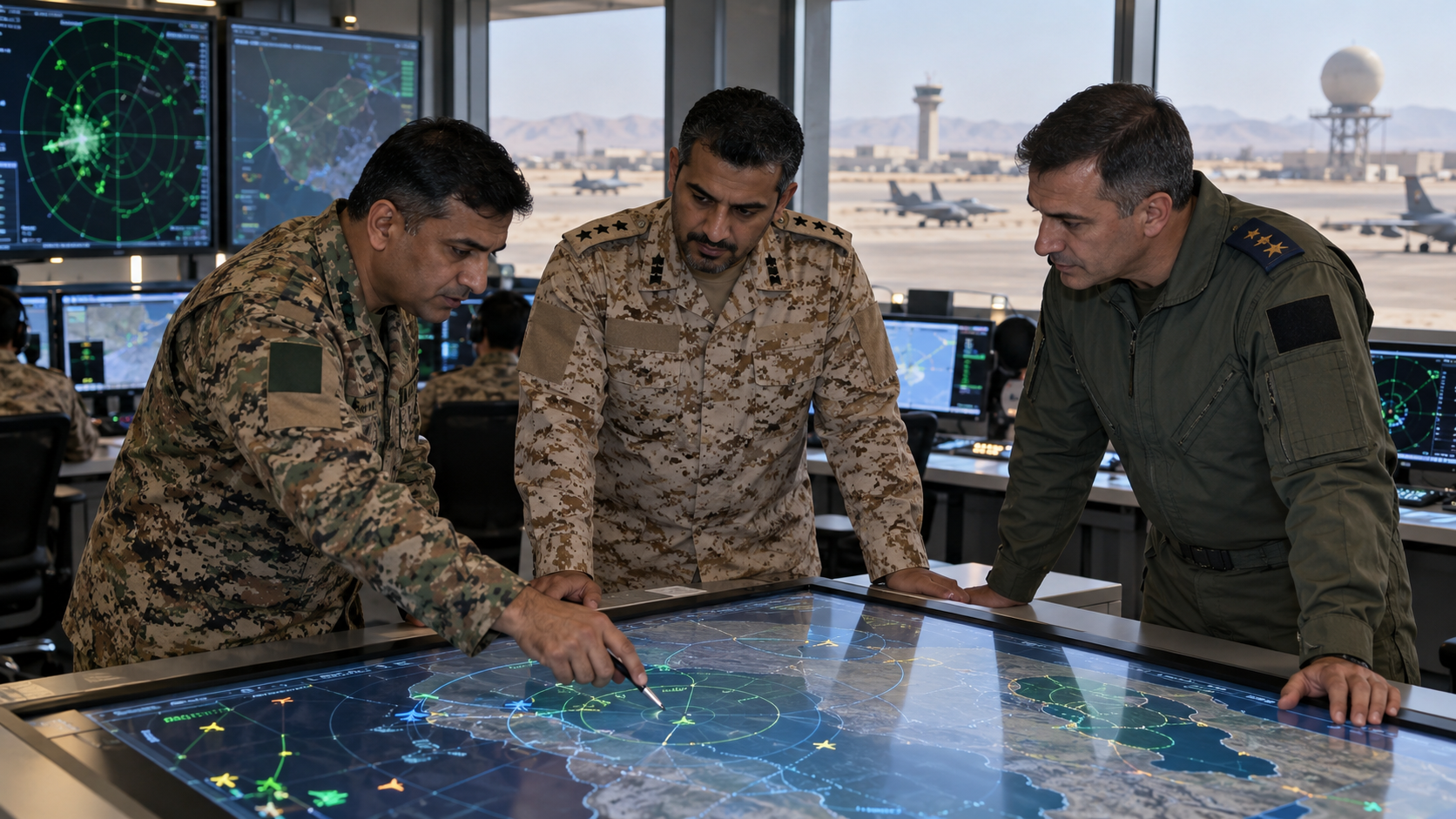
Image credit: AI-generated editorial illustration by OpenAI
**ISLAMABAD:** Pakistan has confirmed that its military personnel already serving in Saudi Arabia fall within the security relationship now framed by the Makkah Joint Defence Agreement, as attacks linked to Yemen's Houthi movement increase pressure on the kingdom and its allies.
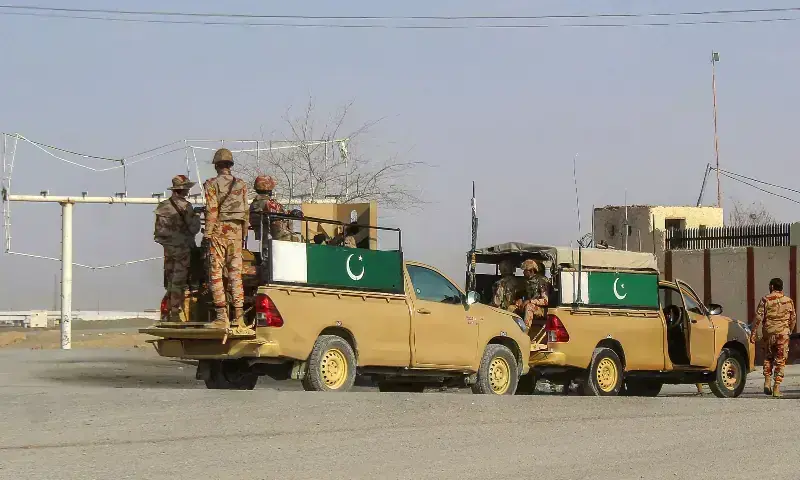
Military spokesperson Lieutenant General Ahmed Sharif Chaudhry told CNN that Pakistani forces were already present in Saudi Arabia in multiple roles and operational domains. He stressed that the presence was not new, describing military cooperation between the two countries as a relationship that had continued for decades.
Chaudhry did not disclose the number of personnel, their locations or the capabilities assigned to them. CNN reported that those details were classified. His comments therefore confirmed the presence of Pakistani forces and their place in the broader alliance, but did not amount to an announcement of a newly quantified combat deployment.
Pact links three longstanding partners
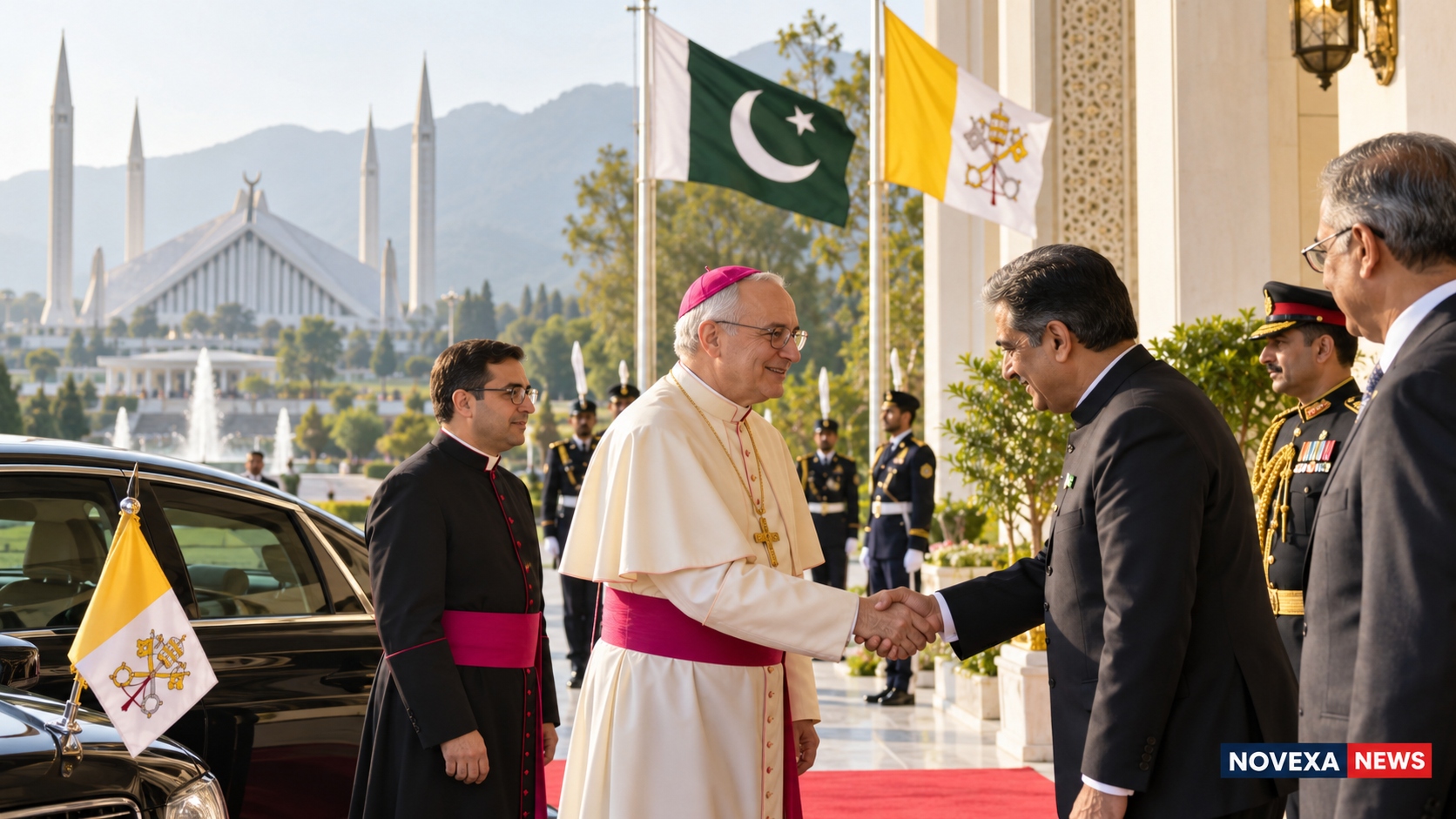
Pakistan, Saudi Arabia and Turkiye signed the Makkah Joint Defence Agreement on August 7, creating a trilateral collective-security framework. The pact states that an armed attack against one member will be treated as an attack against all three.
Pakistan's Foreign Ministry said when the agreement was signed that it was grounded in the right of individual and collective self-defence recognised by Article 51 of the United Nations Charter.
The arrangement brings together Saudi Arabia's regional influence, Pakistan's large armed forces and Turkiye's NATO-member military and defence industry. Officials from all three countries have presented it as a deterrent and a platform for coordination rather than an agreement designed for offensive operations.
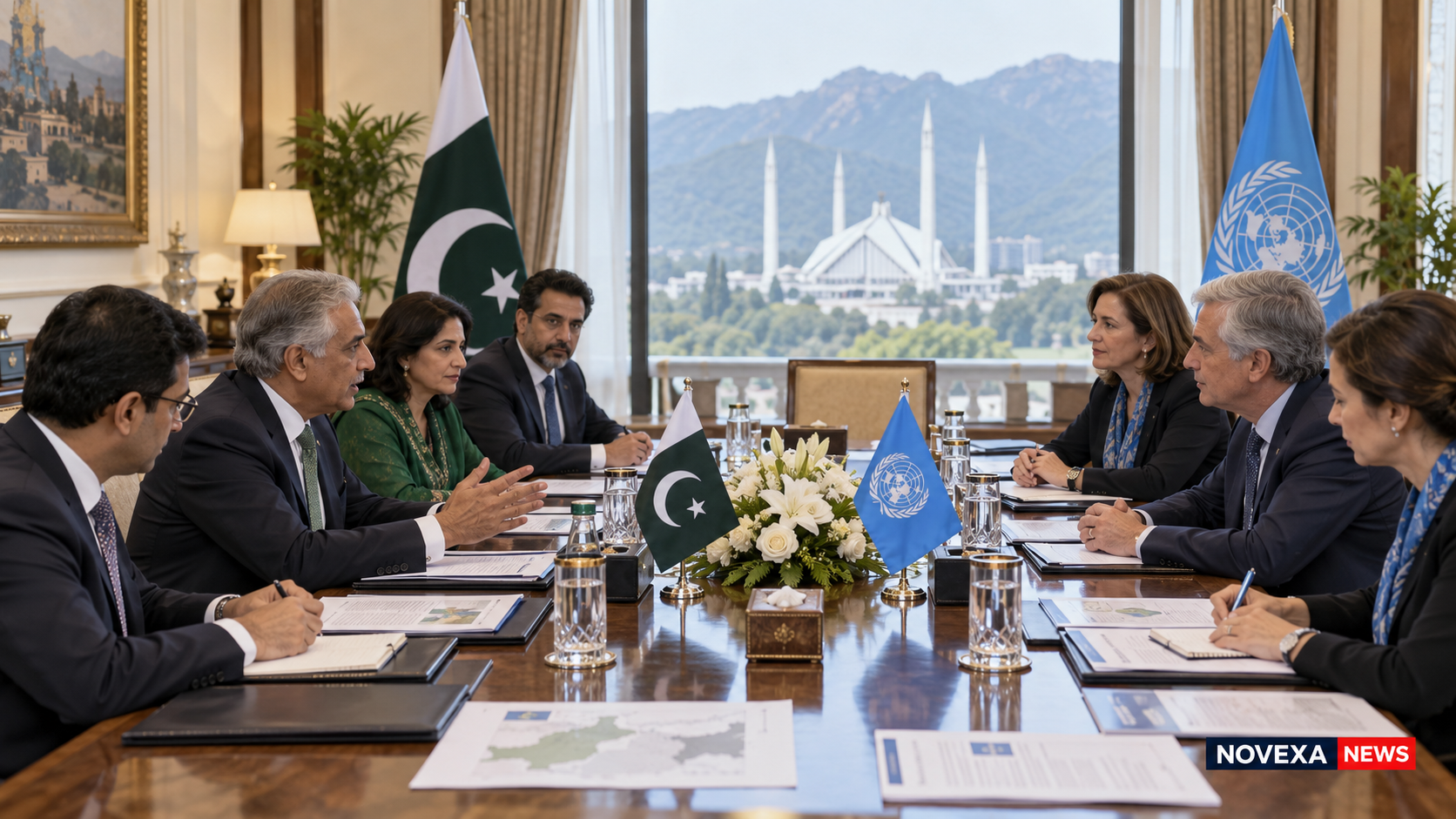
The latest confirmation followed consultations among Saudi, Pakistani and Turkish officials on implementing the pact. Their discussions covered the military forces and capabilities that could be made available to protect Saudi territory as the regional security situation deteriorates.
Houthi attacks sharpen focus on the agreement
The pact has drawn renewed attention after missile and drone attacks claimed by the Iran-aligned Houthi movement targeted Saudi airports, oil facilities and other infrastructure.
On Thursday, explosions were reported in Riyadh, including at King Khalid International Airport. The Houthis claimed responsibility for a missile attack, while a Saudi-led coalition spokesperson said air defences intercepted ballistic missiles directed at Riyadh, Khamis Mushait and other locations. Some claims could not be independently verified.
The Associated Press reported that hundreds of flights were cancelled and that airlines suspended some services as the security risk grew. Saudi officials had said attacks a day earlier killed three people at airports in Riyadh and Abha.
The escalation has made air and missile defence a central question for the three-country alliance. It has also raised questions about whether personnel already in Saudi Arabia could receive expanded responsibilities under the pact.
Turkiye considers defensive support
Turkish Foreign Minister Hakan Fidan said Turkiye and Pakistan were assessing possible air-defence, electronic-warfare and technical assistance for Saudi Arabia. He described the agreement as defensive and said Ankara was not preparing to send forces into another country to conduct an attack.
Any deployment of Turkish combat troops would require parliamentary approval. Turkish officials have said preparations to submit the agreement to parliament for ratification have been completed.
Pakistan's Information Ministry said relevant authorities would provide details of any military involvement if necessary. That statement, combined with Chaudhry's refusal to discuss troop numbers or capabilities, leaves important operational questions unanswered.
A relationship that predates the alliance
Pakistan and Saudi Arabia have maintained close defence ties for decades. Pakistani personnel have historically served in training, advisory and technical roles in the kingdom, while the two militaries have conducted joint exercises and maintained institutional links.
The countries also signed a bilateral mutual-defence treaty in 2025. Chaudhry said the new trilateral arrangement should be understood in the context of those established diplomatic, political, military and people-to-people ties rather than as an isolated decision.
The distinction matters because Pakistan has previously drawn limits around involvement in Yemen. In 2015, parliament declined a Saudi request for Pakistan to join military operations against the Houthis. The current confirmation does not establish that Pakistani forces will take part in cross-border operations inside Yemen.
Instead, public statements have concentrated on the defence of Saudi territory, deterrence and technical cooperation. The absence of details about rules of engagement means the practical scope of Pakistan's role remains unclear.
What the confirmation changes
The military spokesperson's comments connect Pakistan's existing presence in Saudi Arabia directly to the new collective-defence framework. That gives the Makkah pact an immediate operational dimension even without a public announcement of additional troops.
It also signals that the three countries are moving from a written commitment toward coordinated planning. Air defence, electronic warfare, intelligence and technical assistance are likely to remain the most closely watched areas as Saudi Arabia responds to attacks from Yemen.
Further clarity will depend on official disclosures from Islamabad, Riyadh and Ankara. Until then, the confirmed facts are that Pakistani forces are already in Saudi Arabia, their presence predates the pact, and the three governments are considering how existing and additional capabilities could support collective defence.
Source links
Comments
No approved comments yet.