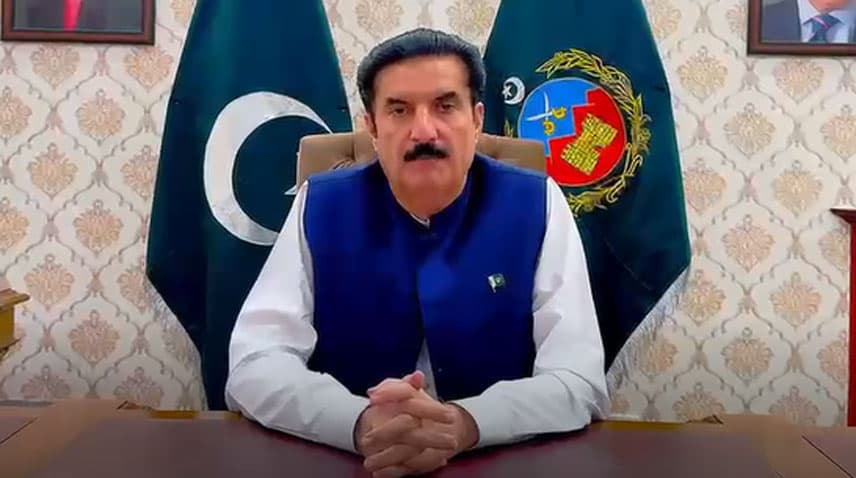
Asim Munir and Mohsin Naqvi Reach Tehran as Pakistan Pushes Regional Peace Effort
Pakistan's Chief of Defence Forces and Army Chief Field Marshal Syed Asim Munir has arrived in Tehran with Interior Minister Mohsin Naqvi, placing Islamabad's regional peace diplomacy back at the centre of a tense Iran…

Image credit: AI-generated editorial image
Pakistan's Chief of Defence Forces and Army Chief Field Marshal Syed Asim Munir has arrived in Tehran with Interior Minister Mohsin Naqvi, placing Islamabad's regional peace diplomacy back at the centre of a tense Iran file.
What happened
The military's media wing said the visit was part of Pakistan's efforts to promote regional peace and stability. Dawn reported that Field Marshal Munir and Naqvi departed for Iran on Monday, while Aaj English said the Pakistani delegation arrived in Tehran for high-level meetings with senior Iranian officials. Iranian Interior Minister Eskandar Momeni received Munir on arrival, and the Pakistani delegation is expected to discuss regional security and bilateral cooperation.
Why Tehran matters now
The visit comes as Iran remains under heavy diplomatic and economic pressure following months of confrontation involving the United States, Israel and Iran. Pakistan has repeatedly called for a peaceful and lasting settlement, warning that continued escalation could affect energy routes, regional security and trade. Tehran is therefore not just a bilateral stop for Pakistani officials; it is part of a wider diplomatic effort to keep channels open.
Pakistan's stated role
According to ISPR, Munir's visit will focus on promoting efforts toward a peaceful, lasting and comprehensive resolution of the Middle East conflict. Iranian Foreign Ministry spokesperson Esmaeil Baghaei said the visit would continue Pakistan's efforts to strengthen peace and security in the region while also improving bilateral cooperation. That wording shows both sides are framing the trip as diplomacy, not only a routine security visit.
Bilateral security is also on the table
Pakistan and Iran share a sensitive border and have long had to manage security, migration, trade and cross-border militant concerns. The presence of Interior Minister Mohsin Naqvi points to that domestic-security dimension. Aaj reported that the delegation is expected to discuss border security and the latest regional developments. That makes the visit both regional and practical: Islamabad wants de-escalation, but it also wants steadier ties with a neighbouring state.
The US-Iran pressure point
Business Recorder reported that Munir's trip comes as Washington threatens another round of major economic pressure on Iran and as direct negotiations remain strained. Pakistan has maintained diplomatic channels with both Washington and Tehran, which gives Islamabad some room to encourage dialogue. That room is limited, but useful. The aim appears to be reducing distrust enough for talks to continue, rather than promising an immediate breakthrough.
Why Pakistan has a stake
Pakistan has direct reasons to avoid a wider conflict around Iran. Any prolonged instability could affect Gulf security, oil and gas flows, shipping through the Strait of Hormuz and Pakistan's own economic planning. Islamabad also has close ties with Gulf states, Turkiye, China and the United States, which means a regional crisis quickly becomes a diplomatic balancing test. The Tehran visit signals that Pakistan wants to be seen as an active stabilising actor.
The outcome of the talks will depend on whether Iran, the United States and regional partners see Pakistan as a useful channel at this stage of the crisis. For now, the visit itself is the message: Islamabad is trying to keep diplomacy alive while the region watches sanctions pressure, maritime risks and security commitments shift around it.
The timing also gives the trip a domestic political value for Pakistan. A visible diplomatic role allows Islamabad to present itself as more than a bystander in a crisis that could directly affect fuel prices, border security and overseas workers in the Gulf. It also lets Pakistan reassure Iran that neighbourly channels remain open while signalling to other partners that de-escalation is still its preferred line.
That does not mean Pakistan can single-handedly settle the Iran-US dispute. The harder decisions remain with Tehran, Washington and regional capitals. But steady contact can lower the risk of miscalculation, and in a volatile security environment even that is useful.
Source links
Comments
No approved comments yet.