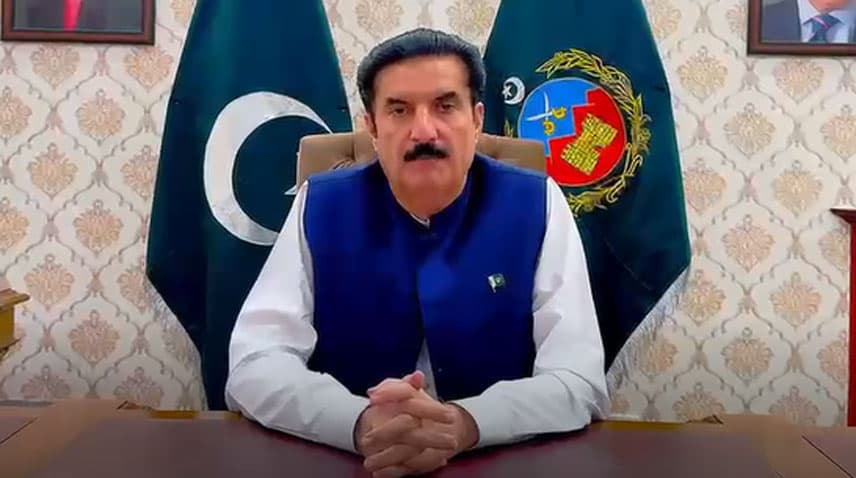
Ishaq Dar Reaffirms Pakistan's Multilateral Diplomacy
Ishaq Dar used meetings at the SCO summit in Bishkek to reaffirm Pakistan's commitment to the United Nations and rules-based multilateral engagement.

Image credit: AI-generated editorial illustration by Novexa News
Deputy Prime Minister and Foreign Minister Ishaq Dar has reaffirmed Pakistan's support for multilateral diplomacy during a meeting with United Nations Secretary-General Antonio Guterres on the sidelines of the Shanghai Cooperation Organisation summit in Bishkek.
The meeting placed Pakistan's relationship with the United Nations alongside the country's growing role in the SCO, where Islamabad has assumed the chairmanship of the Council of Heads of State for 2026-27. Together, the engagements show how Pakistan is trying to use global and regional institutions to advance dialogue, economic cooperation and collective responses to security challenges.
Dar highlights Pakistan's partnership with the UN
According to a statement reported by the Associated Press of Pakistan, Dar praised Guterres for his leadership on global challenges and the promotion of effective multilateralism. He also underscored what Pakistan describes as a longstanding partnership with the United Nations.
Guterres, in turn, congratulated Pakistan on taking over the SCO Council of Heads of State chairmanship. The meeting took place during a summit attended by leaders and senior representatives from across Eurasia, giving the discussion a wider regional setting.
Pakistan has long worked through the UN on peacekeeping, development, humanitarian assistance and international security. Its officials also use the organisation to present the country's positions on regional disputes and to call for adherence to the UN Charter and international law.
Dar's emphasis on multilateralism reflects a practical diplomatic calculation. Pakistan faces issues that cross borders, including climate disasters, economic instability, militant violence and disruptions to regional trade. No single bilateral relationship can address all of them, making international institutions important forums for coordination even when member states disagree.
SCO chairmanship brings a larger responsibility
The Bishkek summit formally addressed cooperation in politics, security, trade, investment, energy, industry, technology and environmental affairs. Pakistan's chairmanship will now require Islamabad to help manage that broad agenda while working with members that often have different priorities.
The SCO includes China, Russia, India, Iran, Pakistan, Belarus, Kazakhstan, Kyrgyzstan, Tajikistan and Uzbekistan. Its size creates opportunities for connectivity and commerce, but it also means consensus can be difficult. Pakistan's test as chair will be whether it can move discussions toward projects and decisions that members are prepared to implement.
For Islamabad, regional connectivity is one of the most important opportunities. Better transport links, customs cooperation and energy networks could expand Pakistan's access to Central Asian markets. Security coordination also remains central because instability in Afghanistan and militant activity affect several countries represented in the organisation.
Connecting regional and global diplomacy
The UN and the SCO serve different purposes. The United Nations has a global mandate and a universal membership, while the SCO is a regional body shaped by the political and economic concerns of Eurasian states. Pakistan's meetings in Bishkek nevertheless linked the two through a common emphasis on dialogue and institutional cooperation.
That connection is especially relevant at a time of armed conflicts, economic sanctions and pressure on international institutions. Pakistan's stated position is that diplomacy should remain the primary means of resolving disputes. Translating that principle into results will depend on sustained engagement and the willingness of other states to compromise.
The Guterres meeting also gave Pakistan an opportunity to discuss the international agenda beyond the summit itself. The annual UN General Assembly session provides another forum for diplomatic engagement, while Pakistan's recent work at the Security Council has increased attention on its positions on peace and security.
What comes next for Pakistan's SCO role
Pakistan's chairmanship creates both visibility and accountability. Islamabad will be expected to organise meetings, shape priorities and maintain communication among members until the next Council of Heads of State summit.
Useful outcomes could include progress on trade facilitation, transport connectivity, counterterrorism coordination, climate resilience and exchanges in education and technology. Results will matter more than the number of declarations issued.
Dar's meeting with the UN secretary-general signals that Pakistan wants its regional role to complement, rather than replace, its engagement with the wider international system. The coming year will show how effectively Islamabad can balance those forums and turn diplomatic commitments into practical cooperation.
Frequently asked questions
Where did Ishaq Dar meet Antonio Guterres?
They met on the sidelines of the SCO Council of Heads of State summit held in Bishkek, Kyrgyzstan, on September 1, 2026.
What role has Pakistan assumed in the SCO?
Pakistan has assumed the chairmanship of the SCO Council of Heads of State for 2026-27.
Why does multilateral diplomacy matter to Pakistan?
It gives Pakistan forums to work on cross-border security, trade, climate, development and humanitarian issues while presenting its positions to a broad group of states.
Source links
Comments
No approved comments yet.