Health minister warns Pakistan's population may reach 400m by 2040
Pakistan's Minister of State for Health, Dr Mukhtar Ahmad Bharath, has warned that the country's population could balloon to 400 million by 2040 if current growth trends continue, renewing calls for urgent action on…
Pakistan's Minister of State for Health, Dr Mukhtar Ahmad Bharath, has warned that the country's population could balloon to 400 million by 2040 if current growth trends continue, renewing calls for urgent action on family planning.
The warning and its timing
The minister issued the projection during remarks that stressed the need for population control measures, framing the issue as one that requires attention now rather than being left to the next generation of policymakers. Pakistan's population, already among the largest in the world, has long strained public services, and a jump toward 400 million would intensify pressure on healthcare, education and infrastructure that are already stretched thin in many parts of the country.
International support arrives alongside the warning
Alongside the minister's comments came news that Pakistan has received $2 million worth of reproductive health supplies from China and the UN Population Fund, support intended to expand access to family planning resources in underserved areas. The timing of the aid alongside the population warning suggests coordinated messaging between the health ministry and its international partners around the scale of the challenge.
A national council takes shape
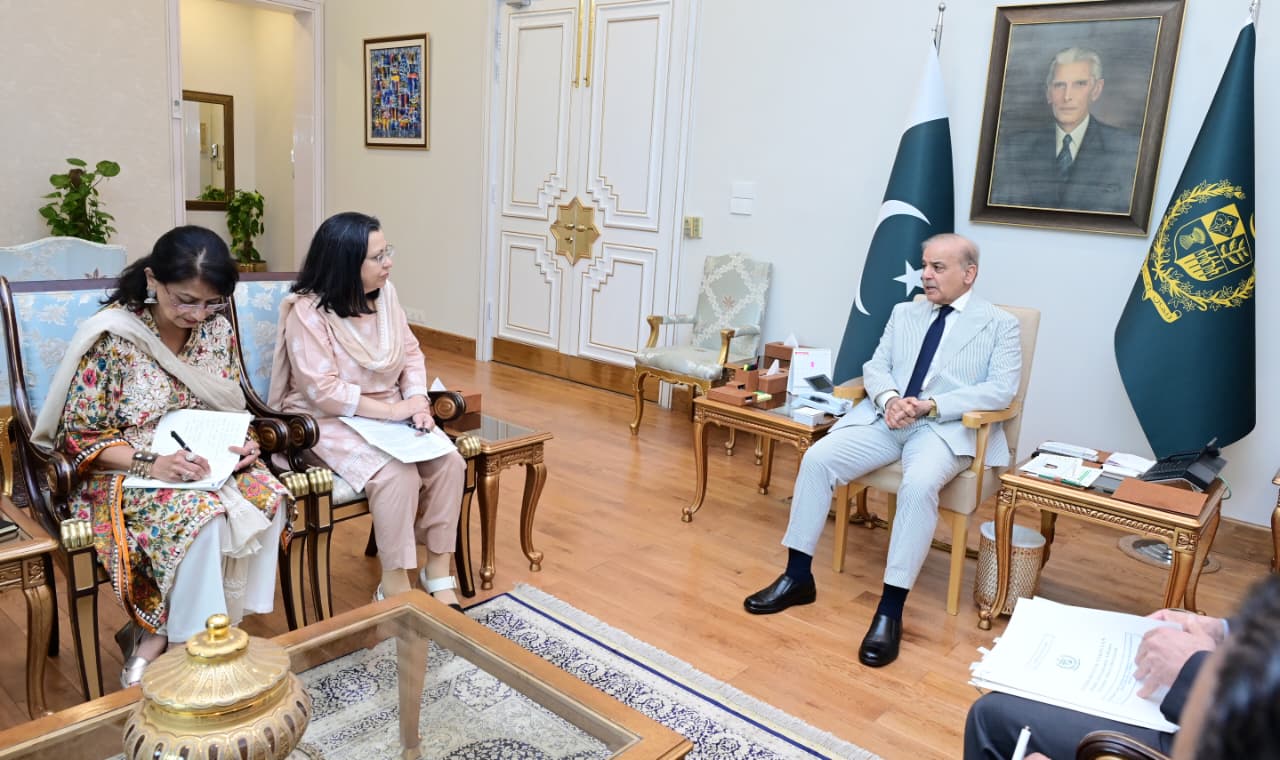
Prime Minister Shehbaz Sharif has established a national council specifically focused on population growth, giving the issue a dedicated policy body rather than leaving it folded into general health ministry business. The council's creation signals that the government intends to treat population growth as a standalone priority requiring sustained attention rather than periodic warnings.
The minister's message to families
Dr Bharath framed the issue in personal terms as much as policy ones, urging that "parents should carefully consider whether they had the necessary resources to provide their children with adequate nutrition, quality education, timely immunisation, access to healthcare and proper upbringing before planning their families." He added that "a healthy mother is the foundation of a healthy family and a strong nation," tying family planning directly to maternal health outcomes rather than treating it purely as a demographic statistic.
Why Pakistan lags its neighbours
The minister highlighted that contraceptive usage in Pakistan remains markedly lower than in Saudi Arabia, Iran and Turkey, countries often used as regional comparison points on family planning uptake. That gap in usage, officials argue, is not simply a matter of access but reflects deeper barriers around awareness, cultural attitudes and healthcare infrastructure reaching rural populations.
The downstream consequences
Officials tied low family planning adoption directly to unintended pregnancies and unsafe abortions, both of which place additional strain on a healthcare system already struggling to keep pace with routine maternal care demands. Left unaddressed, that strain compounds the broader population pressures the minister's 400 million projection points toward.
Whether the newly formed national council can shift Pakistan's contraceptive usage rates closer to its regional neighbours within the next decade and a half will likely determine whether the 400 million figure becomes reality or remains a warning that prompted real policy change in time.
Much of that outcome will hinge on reach rather than intent. Pakistan's health ministry has set up councils and accepted international aid on population issues before; the harder task has always been extending family planning services and awareness into rural districts where healthcare access, not policy design, has historically been the limiting factor.
Comments
No approved comments yet.