AJK Protests Continue as Political Tensions Remain Unresolved
Protests and restrictions in Azad Jammu and Kashmir have kept attention on political representation, economic demands, public safety and the need for credible dialogue.

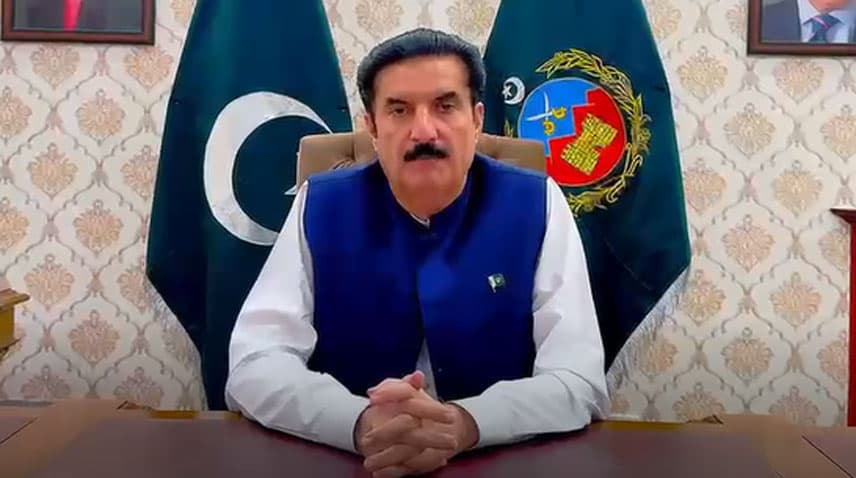
Image credit: AI-generated editorial illustration by Novexa News
Protests in Azad Jammu and Kashmir remain a major political challenge, with public demands over representation, prices and services now entangled with disputed claims of violence, communications restrictions and a widening trust gap between the authorities and the Joint Awami Action Committee.
The movement has continued in different forms since June. Demonstrators and JAAC leaders have pressed for reforms they say would make political institutions more representative and reduce pressure on household finances. The authorities, meanwhile, have accused elements within the protests of carrying weapons and threatening public order.
Independent verification has been difficult. Internet and mobile restrictions have limited communication from affected areas, while foreign journalists have faced obstacles in reaching protest locations. That information gap has allowed competing versions of events to harden before evidence can be tested publicly.
What protesters are demanding
One of the most prominent demands concerns 12 legislative assembly seats reserved for refugees from Jammu and Kashmir living elsewhere in Pakistan. Protest organisers argue that the arrangement weakens the direct political voice of residents living in AJK. Supporters of the existing system view the seats as part of the territory's wider constitutional and historical context.
Economic concerns are equally important. Protesters have called for lower electricity charges, affordable flour and improvements in education and public services. These demands build on earlier mobilisation over the cost of living and the distribution of local resources.
The breadth of those issues helps explain why the movement cannot be understood only as a dispute between the government and a small political group. Questions of representation may bring people to demonstrations, while electricity bills, food prices and weak services give the unrest a direct connection to daily life.
The ban on JAAC changed the confrontation
The AJK government proscribed the Joint Awami Action Committee under anti-terrorism legislation in early June. Rights groups criticised the decision, warning that using terrorism law against a protest movement could restrict peaceful assembly and make a negotiated settlement harder.
Authorities have defended security measures by alleging that armed people participated in demonstrations. Police have also reported the seizure of sophisticated weapons, an issue covered in Novexa News' report on AJK police allegations and seized arms. Officials have separately alleged that militants joined some gatherings, claims examined in our report on security allegations surrounding the AJK unrest.
Those allegations require transparent evidence and lawful investigation. They should not be used to treat every participant as a security threat. At the same time, protest leaders have a responsibility to keep demonstrations peaceful and prevent armed actors from exploiting large crowds.
Casualty figures remain disputed
Reports of deaths and injuries are among the most sensitive parts of the crisis. JAAC has claimed a high number of fatalities since the unrest began, while the government disputes the movement's account and says some protesters were armed. No authoritative official toll has been published that reconciles the competing claims.
For that reason, activist estimates should be clearly attributed rather than presented as established fact. A credible accounting would require names, dates, locations, medical records and independent examination of the circumstances of each death.
An impartial investigation could answer several urgent questions: when force was used, whether it was lawful and proportionate, whether armed individuals fired on police or civilians, and whether detainees received due process. Publishing the findings would be essential to rebuilding confidence.
Communications restrictions carry a wider cost
Internet and mobile shutdowns are often imposed as a security measure, but they affect far more than protest coordination. Families struggle to contact relatives, businesses lose access to payments, students cannot reach online services and journalists cannot verify information quickly.
Restrictions can also increase the circulation of rumours. When photographs, locations and casualty reports cannot be checked, false claims travel alongside genuine evidence. Restoring communications, with narrowly tailored legal measures for specific threats, would improve both public life and the reliability of reporting.
Elections have not settled the underlying dispute
Political tensions have also affected electoral participation and debate. A boycott campaign and unrest cast a shadow over recent voting, reinforcing concerns about whether institutions can command public confidence while major demands remain unresolved.
An election can provide representation, but it does not automatically settle disputes about the design of the assembly, the treatment of protest groups or economic grievances. Those questions require negotiation and, where appropriate, legislative reform.
A workable path toward de-escalation
Dialogue will be more credible if it produces specific steps rather than another broad promise. A process could begin with the restoration of communications, the release or lawful charging of detainees, and an independently supervised inquiry into deaths, injuries and alleged weapons.
Government and protest representatives could then address political and economic demands separately. Representation issues may require constitutional and legislative discussion. Electricity pricing, flour subsidies, education and local services need transparent budgets and implementation schedules.
Neutral facilitators could help keep talks focused, but both sides would need to accept basic obligations. The authorities must protect peaceful assembly and use force only within the law. Organisers must reject violence and cooperate in identifying anyone carrying weapons.
AJK's present crisis is rooted in questions that cannot be resolved by a blackout or a single security operation. Residents want accountable institutions and relief from economic pressure; the government has a duty to maintain safety without closing legitimate political space. A verified public record and sustained negotiation offer a more durable route than competing claims made in an environment where independent scrutiny is limited.
*The featured image is an AI-generated editorial illustration by Novexa News and does not depict a specific protest or identifiable participant.*
Source links
Comments
No approved comments yet.