Uzbekistan Condemns Attempted Attack on Makkah and Urges Restraint
Uzbekistan condemns the attempted drone attack reported near Makkah, expresses solidarity with Saudi Arabia and calls for maximum restraint.
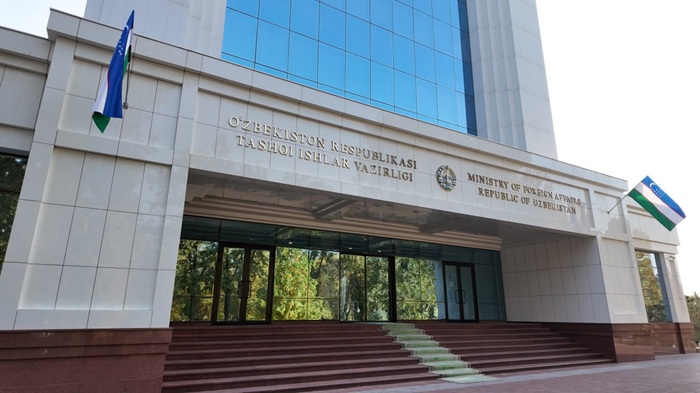
Image credit: Ministry of Foreign Affairs of Uzbekistan
TASHKENT, September 17, 2026: Uzbekistan has condemned the attempted drone attack reported near Makkah, expressed solidarity with Saudi Arabia and urged all sides to prevent a wider escalation in the Middle East.
The Uzbek Ministry of Foreign Affairs said any action that threatens holy sites, civilians or civilian infrastructure was unacceptable. Its official statement called for maximum restraint, compliance with international law and respect for the sovereignty, independence and territorial integrity of states.
Tashkent also backed efforts to reduce tensions, contain the conflict and support regional peace and security. The statement did not identify who Uzbekistan believed was responsible for the drone.
Disputed attribution around the incident
Saudi authorities said their air defences intercepted and destroyed a drone south of Makkah before it entered restricted airspace around the holy city. Saudi officials attributed the aircraft to Yemen's Houthi movement.
The Houthis denied targeting Makkah and described the Saudi allegation as false. That denial means responsibility for the reported attempted attack remains disputed between the parties, even as governments including Uzbekistan have condemned the threat to the city.
Makkah is Islam's holiest city and the destination of the annual Hajj pilgrimage. Any reported threat near the city carries exceptional religious and political significance and can quickly intensify regional tensions.
Saudi Arabia said the interception protected the holy city and its visitors. The kingdom has faced a broader series of missile and drone attacks amid renewed fighting involving the Houthis and Yemen's internationally recognised government.
On September 17, Saudi civil defence said debris from an intercepted Houthi drone had killed one person and injured two others in Taif province. The statement did not specify whether the incident was connected to the drone Saudi Arabia said had been directed towards Makkah, according to the Associated Press.
Uzbekistan's de-escalation message
Uzbekistan's response places equal emphasis on solidarity with Saudi Arabia and preventing further conflict. It avoids calling for military retaliation and instead frames the incident through civilian protection, state sovereignty and international law.
The statement follows an earlier declaration from the Uzbek Foreign Ministry on September 12, when Tashkent voiced concern over missile and drone attacks affecting Saudi territory. That statement condemned threats to civilians as well as civilian and energy infrastructure and warned about the consequences for regional security and international navigation.
The latest message is consistent with Uzbekistan's broader preference for diplomatic engagement and non-escalation. As a Central Asian state with political and economic ties across the Muslim world, Uzbekistan has an interest in regional stability, secure trade routes and protection of religious sites.
Wider international reaction
Pakistan and several other governments have also condemned the reported attempt near Makkah and expressed support for Saudi sovereignty and territorial integrity. At the same time, calls for restraint have grown as fighting in Yemen and attacks affecting Saudi territory raise concern about a wider confrontation.
The escalation has implications beyond the immediate combatants. Attacks near the Red Sea and Bab al-Mandab can threaten commercial shipping, while strikes on energy infrastructure may affect oil markets and international supply chains.
Uzbekistan's statement therefore links the protection of Makkah with a broader appeal to stop the conflict from spreading. Its central message is that holy sites and civilians must remain outside military confrontation and that states should pursue security through international law and diplomacy.
The careful wording also allows Tashkent to express solidarity with Riyadh without endorsing every disputed claim surrounding the drone's origin or intended target.
The effectiveness of that appeal will depend on whether the parties reduce attacks and return to political engagement. For now, Tashkent has joined the international condemnation while carefully avoiding an unverified assignment of responsibility.
Source links
Comments
No approved comments yet.