Turkey Offers Military Aid to Saudi Arabia Amid Houthi Threats
Turkey is poised to assist Saudi Arabia with military needs as Houthi attacks escalate, raising questions about the implications for regional security
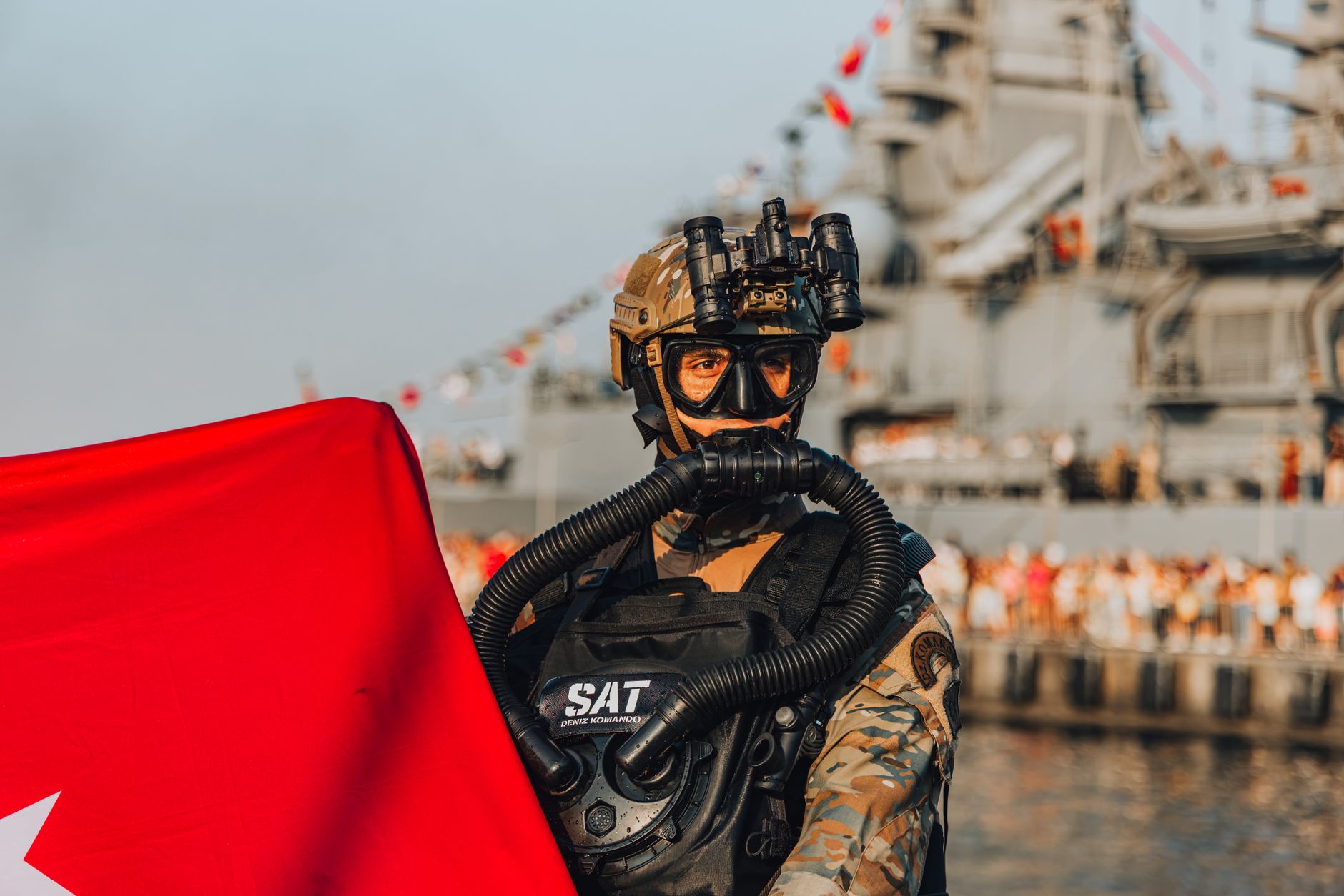
Image credit: Photo by Hobi Photography on Pexels
Introduction
Turkey is prepared to assist Saudi Arabia with its military needs as the Kingdom faces escalating missile and drone attacks from Yemen’s Houthis. This move comes in light of a recently signed trilateral defense agreement known as the Mecca Joint Defence Agreement among Turkey, Saudi Arabia, and Pakistan, which could be tested by increased hostilities in the region. The coordination of these countries signifies a significant shift in Middle Eastern defense strategies, particularly as the security landscape becomes more volatile.
Key Developments
On September 20, Turkish Foreign Minister Hakan Fidan announced Ankara's readiness to provide assistance to Riyadh, particularly in addressing what he termed “technical issues” related to military support. His comments come amidst rising tensions as Houthi forces have significantly ramped up their missile and drone attacks targeting Saudi cities, energy infrastructure, and shipping routes, thereby raising urgent questions about national security in the region.
During an interview with Turkish media, Fidan emphasized the seriousness of the attacks on Saudi Arabia, declaring, “We see there are very serious attacks on Saudi Arabia’s territorial integrity, sovereignty.” He reassured that Turkey would face “no issues” in meeting Saudi Arabia's military needs as part of their collaborative defense efforts.
The Mecca Defence Agreement, established last month, positions any armed attack on one member as an attack on all, mirroring NATO’s collective defense clause. This pact is crucial as it was formalized against a backdrop of growing concern over US-Iran tensions, following recent U.S. attacks on Iran starting in February.
Regional Impact
The escalation of Houthi attacks is not just a localized issue as it has wider implications for global energy supplies, particularly as the Iran-aligned Houthis tighten their grip on the Red Sea, critical for oil exports. As the Houthis advance on key territories in Yemen, including the strategically significant Bab al-Mandeb strait, the situation requires a coordinated military response from Saudi Arabia and its allies. According to analyst Nawaf Obaid from King’s College London, an extensive military response involving land, sea, and air forces is being formulated.
Reports indicate that weapons systems have started moving into Saudi Arabia and the deployment of fighter jets in the Red Sea region points towards preparations for potential military action. However, while some support is evident, Professor Mohamad Elmasry from the Doha Institute suggests that no direct military engagement from Turkey, Pakistan, or Egypt has been confirmed yet.
International Reactions
As the situation unfolds, pronouncements from other nations complicate the narrative. Pakistan, a signatory of the Mecca agreement, has expressed diplomatic and physical support for Saudi Arabia, with assurances of backing should the situation escalate. While Islamabad has not committed to immediate military involvement, its military leadership has emphasized the importance of Saudi defenses amidst ongoing Houthi aggressions.
Meanwhile, the United States, which has historically offered military backing to Riyadh, remains cautious. President Trump has so far refrained from engaging directly in military actions against the Houthis, although intelligence-sharing initiatives continue. Experts indicate that, given the intense cyclical nature of this conflict, Washington may eventually bolster its involvement, particularly as the Houthis disrupt vital shipping lanes crucial for global trade.
Conclusion
As the geopolitical landscape becomes increasingly fraught with conflict, Turkey’s readiness to assist Saudi Arabia marks a significant development in the Middle East's defense collaboration. The ramifications of Houthi attacks coupled with the newly established Mecca Defense Pact could lead to a redefined military engagement framework in the region, setting the stage for a response that could reshape alliances and create new security dynamics. Only time will tell whether this assistance translates into direct military action or remains within the parameters of technical support.
Source links
Comments
No approved comments yet.