Social Media and International Politics: How Digital Platforms Are Reshaping Public Opinion
Social media has become a global political arena, shaping diplomacy, elections, conflict narratives and public trust in ways governments can no longer ignore.

Image credit: Julio Lopez / Unsplash
Social media has changed far more than everyday communication. It has transformed how politics is discussed, how governments speak to citizens, how conflict is understood and how international events are interpreted across borders. Platforms such as Facebook, X, Instagram, TikTok and YouTube have become powerful political arenas where a single video, photograph or post can reach millions of people within hours.
That speed has shortened the distance between political leaders and the public. It has also opened new space for propaganda, misinformation and political manipulation. In 2026, this shift is becoming harder to ignore as more people consume news through social media, video platforms and AI-assisted tools rather than through traditional newspapers, television or official briefings.
The Reuters Institute's Digital News Report 2026 shows that social media and video networks are now central to how many audiences encounter news. That creates a difficult equation: people may have more information than ever, but more information does not automatically mean better information. The political impact depends on what people see, who controls the flow of posts and whether audiences can separate evidence from emotion.
Traditional diplomacy was once carried out mainly through closed-door meetings, official statements and established international news outlets. In the current media environment, political leaders can broadcast directly to global audiences without waiting for journalists to interpret their message. Governments use social media to explain policy, build national narratives, influence foreign audiences and respond rapidly during international crises.
This is often described as digital diplomacy, but the phrase only captures part of the change. Social media does not simply give governments a new microphone. It gives citizens, activists, opposition groups and anonymous networks the same battlefield. A government can use a platform to make its case, while its critics can use that same platform to challenge the claim, expose abuse or mobilise international attention.
The effect is especially visible during war and political unrest. Images and first-person accounts from conflict zones can reach viewers long before formal investigations or official briefings. Social media can reveal events that might otherwise be hidden and can give ordinary people a voice in international debate. At the same time, the same channels can be used to spread propaganda, manipulated footage and false claims designed to confuse audiences.
That dual power is what makes digital politics so unstable. A citizen with a smartphone can influence a discussion that once belonged almost entirely to diplomats, journalists and political elites. But a coordinated network of bots can also make a fringe narrative appear popular, urgent or authentic. The result is a political environment where visibility can be mistaken for truth.
Recent political communication shows how quickly leaders adapt to online audiences. In India, for example, Prime Minister Narendra Modi has increasingly directed parts of his communication toward younger audiences on Instagram, Snapchat and other informal platforms. Political actors are no longer just placing policy statements on social media; they are adjusting language, tone and visuals to match social media culture.
Public perception is often shaped before journalists, governments or fact-checkers have time to verify the information. Emotional content can travel faster than careful explanation, and algorithms frequently reward posts that trigger anger, fear or outrage. This can push political debate away from evidence and toward reaction, especially during crises when audiences are already anxious.
The consequences are not limited to domestic politics. Online narratives can become part of geopolitical competition. Disputes between states, communities or political groups can quickly turn into information wars, with activists, anonymous accounts and automated networks all trying to shape public opinion. When foreign policy arguments move into platform feeds, the line between public debate and organised influence becomes difficult to see.
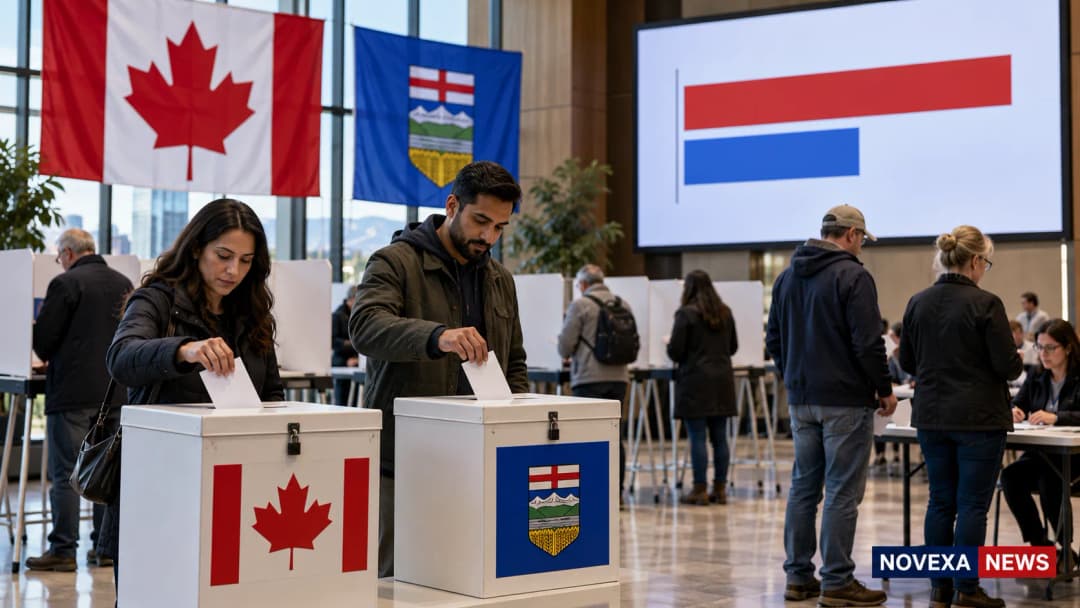
Elections are also affected. Concern about misinformation, disinformation and media bias has grown in many democracies because voters need reliable information to make political choices. If people cannot trust what they see, or if they only receive content designed to confirm existing views, democratic decision-making becomes weaker. Political polarisation can deepen, and trust in institutions can erode.
Artificial intelligence adds another layer of difficulty. AI tools can now generate realistic images, videos, voices and written content at scale. The challenge is no longer only whether citizens can identify a false story after reading it. The deeper problem is whether people can trust that what they are seeing or hearing is real in the first place.
None of this means social media is only harmful. Digital platforms have created new political room for previously underrepresented groups, helped young people enter public debates and given citizens tools to question powerful institutions. They can expose injustice, organise humanitarian support and connect communities across borders. The problem is not participation itself, but the lack of accountability around how information is amplified.
Governments, technology firms, journalists and citizens all have a role to play. Governments need stronger policies against coordinated foreign interference while protecting legitimate political speech. Platforms need more transparency around recommendation systems, political advertising and automated accounts. Journalists need to strengthen fact-checking and provide context instead of competing only for speed and clicks.
Citizens need stronger digital and media literacy. That means learning how to question sensational headlines, check sources, identify manipulated media and distinguish evidence from opinion. Digital literacy is no longer a classroom extra; it is part of democratic resilience because misinformation can increase polarisation and weaken public trust.
Social media has therefore moved from being a communication tool to becoming part of the international political system itself. It can connect societies and reveal injustice, but it can also carry manipulation across borders at extraordinary speed. In the future, the ability to shape online narratives may matter almost as much as military strength or economic power. The major challenge for governments and societies is how to use this power to inform citizens rather than manipulate them.
Source links
Comments
No approved comments yet.