Saudi Nuclear Deal Fuels Wider Fears of a Looser Global Order
A U.S.-Saudi nuclear agreement is sharpening worries that more countries may seek nuclear options as security guarantees weaken and rival powers look more threatening.
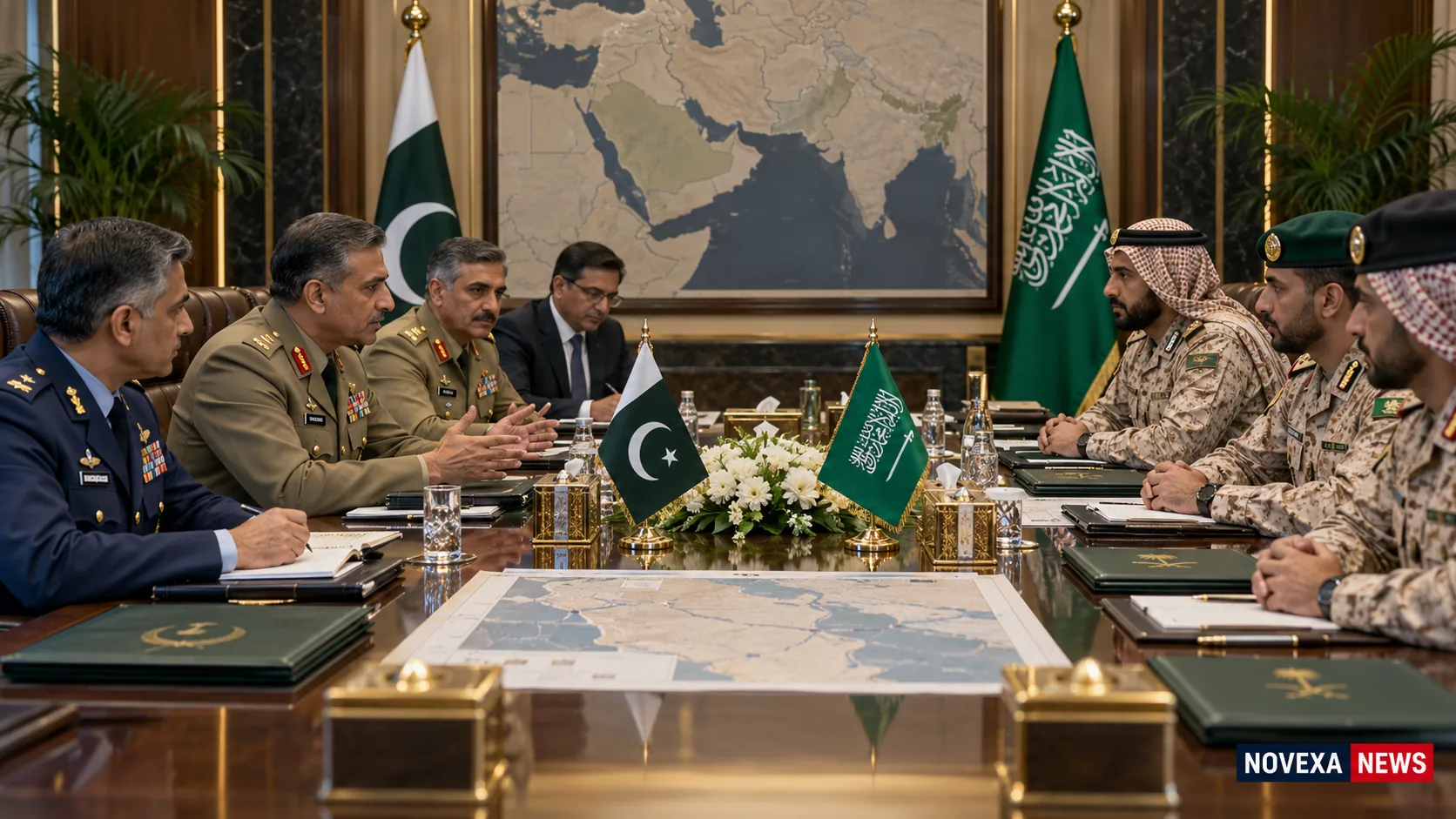
A U.S.-Saudi nuclear deal is drawing attention well beyond the Middle East, because it fits a broader pattern that diplomats and security analysts have been watching for years: more countries are considering nuclear capability, or the option to move closer to it, as a hedge against instability and uncertainty. According to The New York Times, the agreement has prompted fears that the world may be entering a looser era of nuclear rules, with governments in Europe, Asia and the Middle East increasingly looking for ways to protect themselves from aggressive neighbors and from what they see as a less reliable Washington. The core concern is not necessarily that many new nuclear weapons states are about to appear at once. It is that the norms and restraints built around the post-Cold War security order may be weakening. If allies doubt that the United States will continue to serve as a dependable backstop, some may begin seeking independent deterrents, expanded civilian nuclear programs, or political leverage tied to nuclear cooperation. That kind of hedging can take many forms. Countries may push for enrichment capability, expand fuel-cycle infrastructure, or use nuclear partnerships as a signal that they are keeping future options open. Even when framed as energy policy, those steps can alarm neighbors and unsettle long-standing nonproliferation efforts. The Saudi case is especially sensitive because of the kingdom’s strategic weight in the region and its rivalry with Iran. Any move that gives Riyadh a more advanced nuclear posture would be watched closely in Tehran, as well as in capitals that have spent decades trying to prevent a regional nuclear cascade. The broader worry is that one deal can change expectations elsewhere, encouraging other governments to revisit their own calculations. Europe is part of that picture too. The war in Ukraine has already forced many governments there to think harder about deterrence, U.S. security guarantees and how much protection NATO can provide in a more volatile world. In Asia, long-running concerns over North Korea and rising tensions involving China have also kept nuclear questions alive, even where officials avoid speaking openly about them. The Middle East remains the region where the risks of escalation are most immediate. For the Biden-era and post-Biden U.S. foreign-policy debate, the issue is difficult. Washington has long tried to balance two goals that often collide: strengthening partnerships with key allies and preventing the spread of technologies that could support weapons programs. A nuclear agreement with Saudi Arabia may help secure energy, diplomacy or strategic alignment, but it also risks looking like another sign that the United States is willing to loosen long-standing guardrails for geopolitical convenience. What remains unclear, based on the available reporting, is how far the Saudi arrangement will go, what safeguards are attached, and whether it will be seen as a narrow bilateral deal or as a precedent others can cite. Those details matter. In nonproliferation politics, the message a deal sends can be almost as important as the text itself. The larger question now is whether this moment becomes an exception or part of a trend. If more governments conclude that they need nuclear options because great-power protection is less certain, the world could enter a period in which deterrence feels less stable and the rules around nuclear restraint become harder to enforce.
Source: New York Times World - https://www.nytimes.com/2026/07/23/world/europe/us-saudi-deal-nuclear-hedging.html
Comments
No approved comments yet.