Panama Canal Cuts Transit Slots as Rainfall Falls Short
The Panama Canal is reducing daily transit availability after below-expected rainfall strained its watershed despite the arrival of the rainy season.
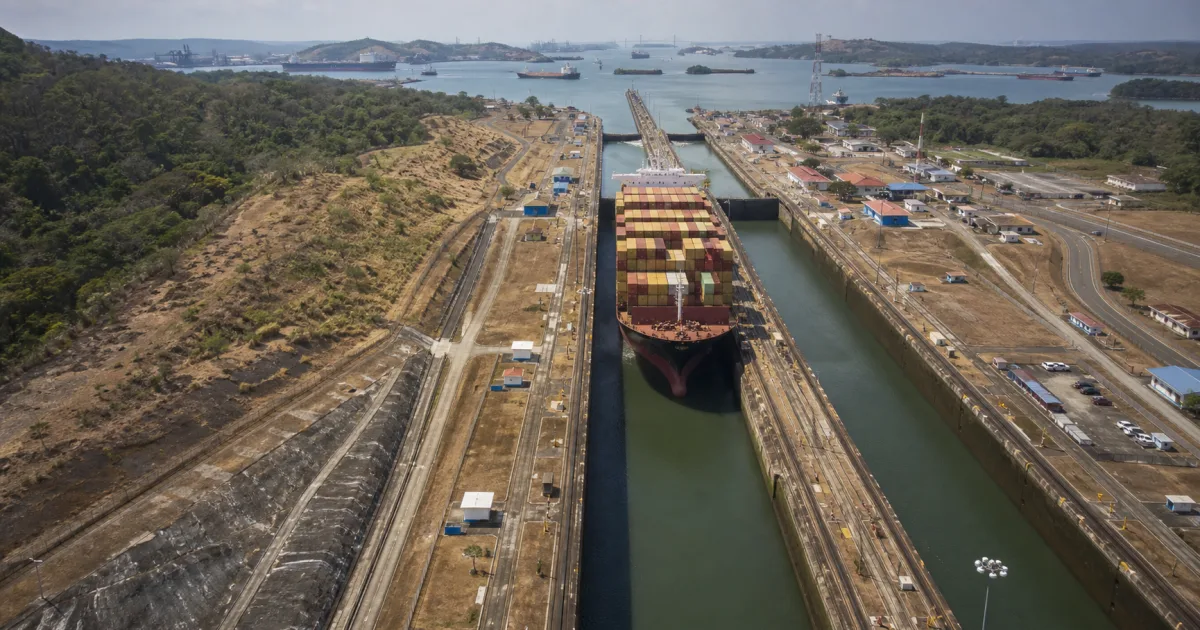
Image credit: AI-generated editorial illustration by Novexa News
The Panama Canal is reducing the number of daily transit slots available to ships after rainfall in its watershed fell below expectations, adding a fresh constraint to one of the world's most important trade routes.
The Panama Canal Authority said the temporary measures are needed even though Panama is in its rainy season. Water-saving steps have been in place, but inflows into the canal's lakes have not developed as projected while El Nino continues to influence conditions.
From September 3, the Neopanamax locks will offer nine daily slots. The Panamax locks will offer 25, before that number falls to 23 from September 15. Ships arriving without confirmed reservations could face longer waits.
Why rainfall controls canal capacity
The canal does not function like a sea-level channel. Its lock system raises and lowers ships using large quantities of freshwater, much of it supplied through Gatun Lake and the surrounding watershed. Every transit therefore forms part of a water-management calculation that also involves environmental needs and drinking-water supply.
When lake levels fall, canal managers can reduce the number of transits, limit ship draft or adjust reservation rules. Draft restrictions force vessels to carry less cargo or change loading plans, while fewer slots can create queues and higher transport costs.
The authority said current conditions require additional action to support the long-term sustainability of operations. It will continue monitoring rainfall, watershed inflows and lake levels before deciding whether further changes are necessary.
Daily slots and draft limits are changing on different dates
The latest announcement combines capacity reductions with revised timing for planned draft adjustments. A maximum authorised draft of 48 feet for Neopanamax vessels, previously due to take effect on August 26, has been postponed until September 2. A further reduction to 47.5 feet, originally planned for September 3, has been postponed until October 1.
That distinction matters for shipping companies. The canal is reducing the number of available transits while temporarily delaying some limits on how deeply vessels may sit in the water. Operators must plan around both variables rather than reading the announcement as a single blanket closure.
The canal can also suspend all or part of its transit reservation system when operational conditions require it. If a reserved slot is cancelled under those circumstances, the authority said the vessel would not face cancellation penalties or surcharges.
What shipping companies may face
A confirmed reservation is the only mechanism that guarantees a transit date. Vessels arriving without one may wait longer as daily capacity tightens. That creates a commercial choice between paying for certainty, accepting delay or considering a much longer alternative route.
The effects can spread beyond ships physically waiting near Panama. Container schedules are tightly coordinated with ports, rail links, warehouses and retailers. A delay at the canal can disrupt equipment availability and delivery windows elsewhere in the network.
Energy and bulk-cargo markets are also sensitive to route reliability. Carriers may adjust pricing when capacity becomes scarce, particularly if restrictions persist or coincide with congestion at other global shipping chokepoints.
Lessons from the previous water crisis
The canal faced severe restrictions during the 2023-2024 drought, when low lake levels reduced both transit numbers and permissible drafts. Those conditions demonstrated that climate variability can become a direct constraint on global trade infrastructure.
Canal managers have since expanded conservation measures and used hydrological analysis to provide earlier notice to customers. The current response reflects those lessons, including phased dates and warnings that weather is evolving more quickly than originally expected.
Longer-term resilience will require more than adjusting booking slots. Panama must balance canal operations with water security for communities, while considering infrastructure and watershed-management investments that can handle more extreme rainfall variability.
The next rainfall data
The key indicators are rainfall across the watershed, Gatun Lake levels and any change to the September schedule. Shipping lines will also watch auction prices and waiting times for vessels without reservations.
For now, the canal remains open and operating. The significance of the announcement is that capacity is being deliberately tightened before conditions become more difficult. That may reduce immediate operational risk, but it also sends a clear message to global trade: freshwater availability is once again shaping how many ships can use the Panama route.
Source links
Comments
No approved comments yet.