Pakistan Offers Nepal Technology and Expertise for Flood Recovery
Pakistan offers Nepal satellite, drone, AI and glacial-risk expertise to support flood rescue, recovery and long-term disaster preparedness.
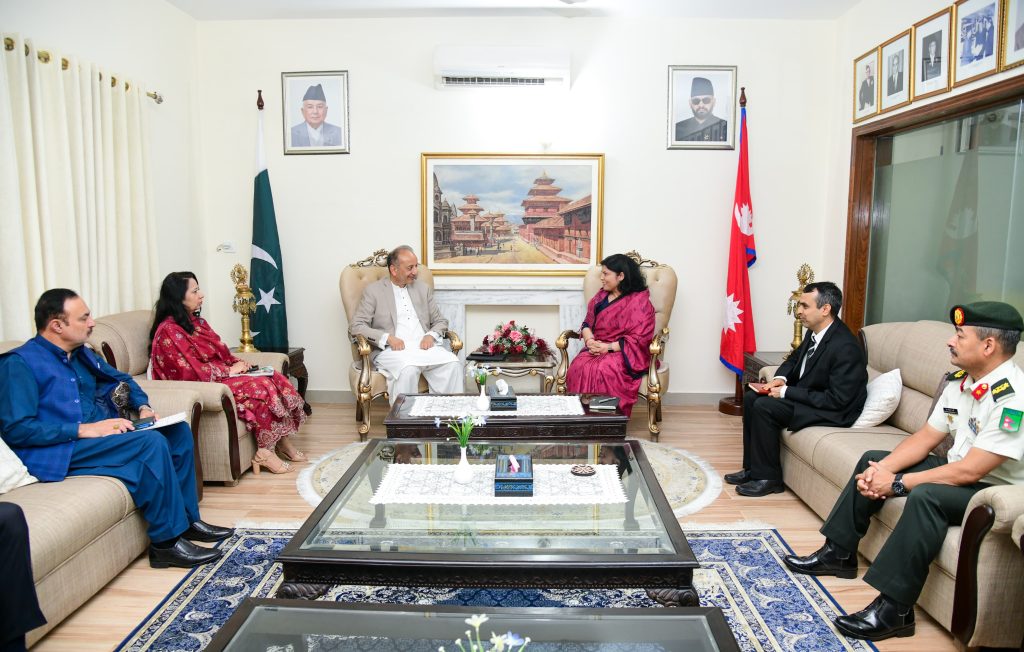
Image credit: Associated Press of Pakistan
ISLAMABAD, September 16, 2026: Pakistan has offered Nepal technical assistance for search, rescue and recovery operations as the Himalayan country deals with severe flooding and other climate-related disasters.
Federal Minister for Climate Change and Environmental Coordination Musadik Malik made the offer during a meeting with Nepal's Ambassador to Pakistan, Rita Dhital, according to the Associated Press of Pakistan.
Malik conveyed condolences over the loss of life and destruction and said Pakistan was ready to share resources and expertise. He identified satellite imagery, drones and artificial intelligence as tools that could support damage assessment, locate vulnerable communities and improve coordination during rescue and recovery work.
Focus on early warning
The minister called for deeper regional cooperation on glacial lake outburst floods, or GLOFs, which pose a growing risk to mountain communities. Pakistan offered to share its experience and data, including information from its GLOF-risk inventory.
Pakistan and Nepal face many of the same climate pressures, including glacial change, extreme rainfall and difficult terrain. Early-warning systems and cross-border knowledge sharing can give authorities more time to alert communities and position emergency resources.
Malik said cooperation between upstream and downstream countries was particularly important. Better risk assessments, monitoring and institutional planning cannot prevent every natural hazard, but they can reduce casualties and economic losses.
The meeting also addressed damage to roads and other infrastructure in Nepal. Disrupted transport links can slow relief operations while adding to the financial burden on a developing economy already coping with a large-scale emergency.
Call for stronger climate finance
Malik urged the international community to improve climate-finance arrangements for vulnerable developing countries. He argued that countries with limited resources often cannot absorb catastrophic losses without outside support and said climate-related loss and damage should receive greater attention in the United Nations climate process.
The minister also conveyed Prime Minister Shehbaz Sharif's concern and reiterated Pakistan's willingness to support both immediate relief and longer-term resilience.
Dhital welcomed the expression of solidarity. The two sides discussed future cooperation in climate science, hazard monitoring, early-warning systems, disaster preparedness and technology-supported emergency response.
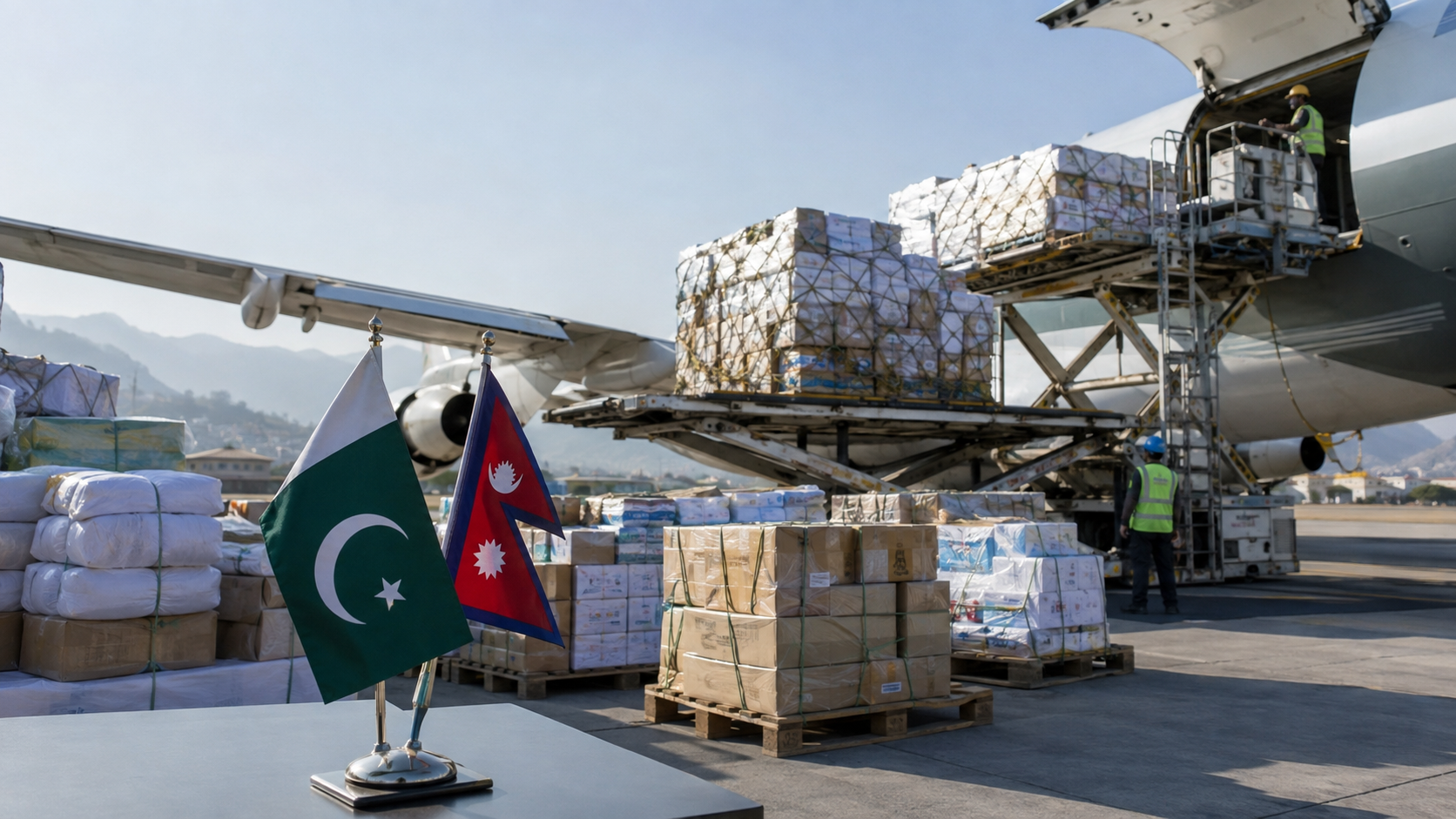
Pakistan separately dispatched 100 tons of humanitarian supplies to Nepal earlier this month. The latest offer broadens that response from immediate relief to technical cooperation intended to strengthen preparedness for future disasters.
Source links
Comments
No approved comments yet.