Pakistan and South Africa Move to Deepen Parliamentary Partnership
Pakistan and South Africa agree to expand parliamentary exchanges, institutional cooperation, trade, tourism and people-to-people ties.
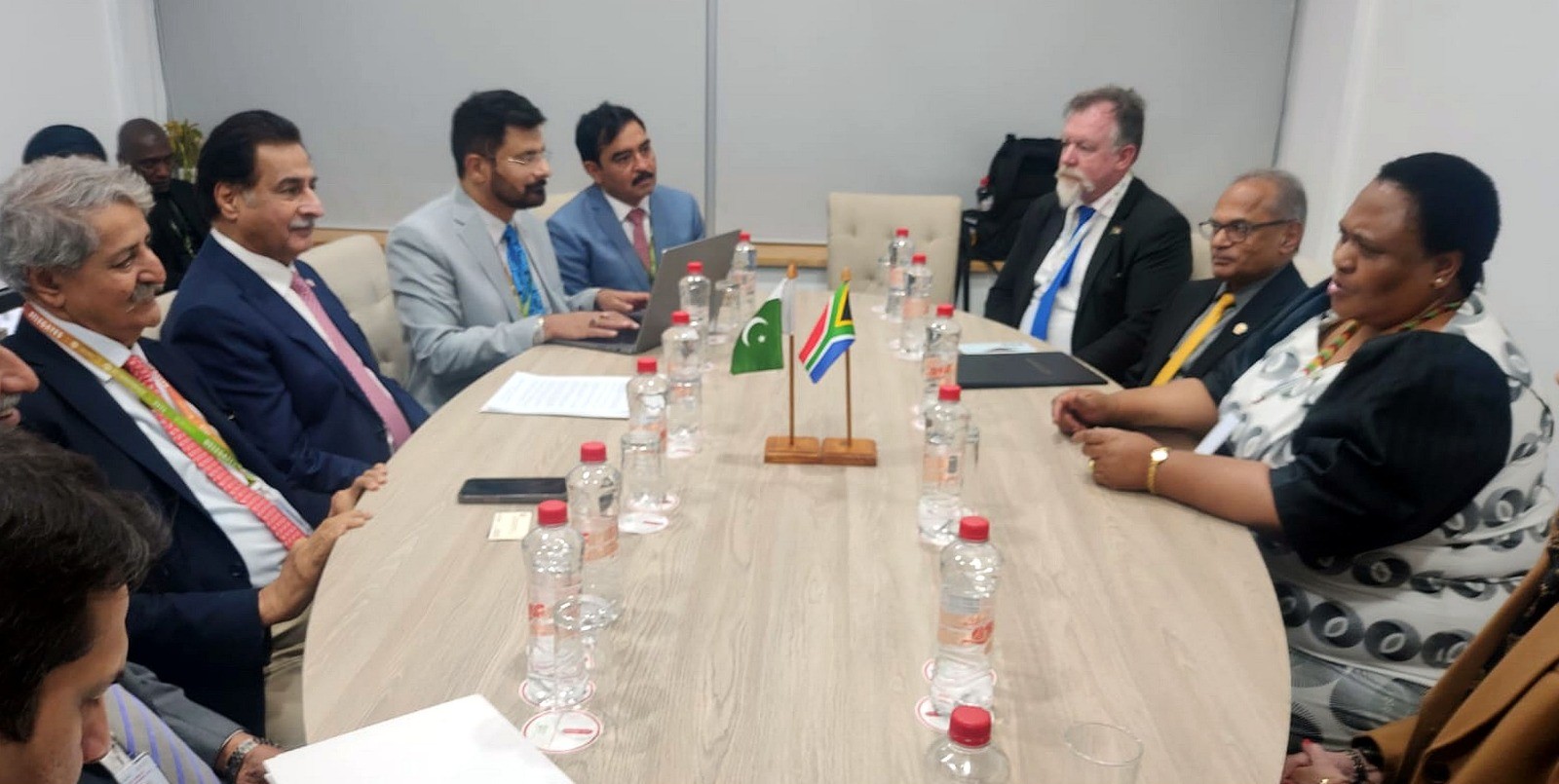
Image credit: National Assembly of Pakistan
CAPE TOWN, September 17, 2026: Pakistan and South Africa have agreed to expand parliamentary cooperation and pursue closer bilateral ties after the speakers of their national assemblies met on the sidelines of the 69th Commonwealth Parliamentary Conference.
Pakistan National Assembly Speaker Sardar Ayaz Sadiq held talks with his South African counterpart, Angela Thokozile Didiza, in Cape Town. The two sides discussed cooperation on legislation, parliamentary committee systems, institutional modernisation, trade, tourism and public contacts, according to an official statement from Pakistan's National Assembly.
Didiza expressed interest in signing a memorandum of understanding between the two legislatures and said a South African parliamentary delegation would visit Pakistan. She also invited Sadiq to make a bilateral visit to South Africa.
Parliaments as a channel for bilateral ties
Sadiq told the meeting that the two countries had not fully used the potential of their relationship. He argued that their parliaments could help turn political goodwill and historical links into sustained institutional cooperation.
He recalled former South African President Nelson Mandela's visits to Pakistan in 1992 and 1999, describing them as important moments in the relationship. Mandela's international standing and South Africa's transition to constitutional democracy remain significant reference points for parliamentary engagement across the Commonwealth.
The proposed cooperation would include exchanges between committees, sharing legislative practices and modernising parliamentary business. Such exchanges can cover research services, digital records, public access, committee oversight and the management of legislative proceedings.
South Africa's deputy speaker highlighted work to increase the use of artificial intelligence in parliamentary operations. That initiative could become one area of technical exchange as legislatures assess how AI can support research and administration while preserving transparency, accuracy and democratic accountability.
Pakistan also presented its Green Parliament initiative, which promotes environmentally responsible operations and greater awareness of climate risks within parliamentary institutions.
Trade and people-to-people cooperation
The South African side called for stronger engagement in trade, commerce, tourism and people-to-people contacts. Parliamentary diplomacy cannot replace negotiations between governments, but it can create additional channels for identifying obstacles and maintaining attention on economic opportunities.
Pakistan and South Africa have room to broaden commercial interaction across agriculture, manufacturing, mining services, technology and tourism. Business links would benefit from more regular institutional contact and clearer information about market access, investment rules and potential partnerships.
The meeting also covered regional and international developments. Sadiq discussed Pakistan's exposure to climate-related disasters despite its comparatively small contribution to global emissions. He also outlined Islamabad's positions on Afghanistan and Kashmir and spoke about efforts to support stability amid tensions in the Gulf.
South African parliamentary representatives welcomed Pakistan's emphasis on dialogue and peaceful engagement. Both delegations said stronger cooperation between legislatures could support wider bilateral relations while allowing lawmakers to exchange experience on common institutional challenges.
Commonwealth conference backdrop
The 69th Commonwealth Parliamentary Conference is being held in Cape Town from September 13 to 18. It brings together parliamentary leaders, legislators and officials to discuss democracy, international law and institutional resilience.
The conference gives Pakistan and South Africa a multilateral setting for bilateral contact. Both are Commonwealth members with parliamentary systems, making committee development and legislative administration practical areas for continued cooperation.
The immediate next steps are expected to include work on the proposed memorandum of understanding and arrangements for reciprocal visits. Those commitments will determine whether the Cape Town meeting develops into a regular programme of institutional exchange.
An agreed framework could also give committees and parliamentary secretariats clear points of contact, allowing cooperation to continue between high-level visits and making future exchanges more focused on practical outcomes.
For Pakistan and South Africa, deeper parliamentary links could complement diplomatic and economic engagement while giving elected representatives a more direct role in shaping the relationship.
Source links
Comments
No approved comments yet.