Pakistan Idol Finale: Hira Qaiser’s Win Puts Fresh Pakistani Voices in the Spotlight
Pakistan Idol closed its Super Finale with Faisalabad's Hira Qaiser crowned winner, giving the revived music competition a finale that felt bigger than a television result. It was a moment about one singer's…
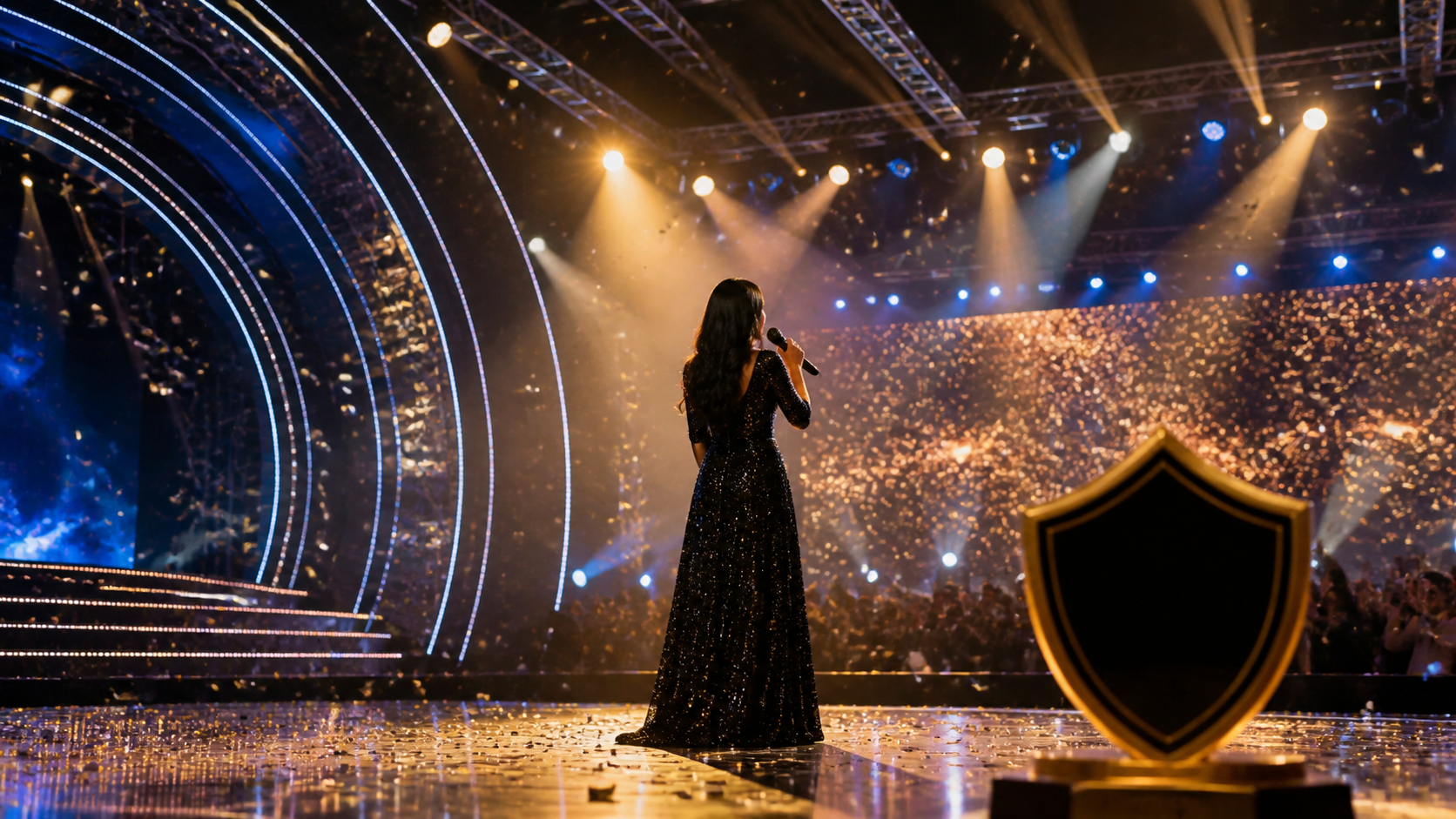
Image credit: AI-generated editorial image
Pakistan Idol closed its Super Finale with Faisalabad's Hira Qaiser crowned winner, giving the revived music competition a finale that felt bigger than a television result. It was a moment about one singer's breakthrough, but also about a national music platform finding its way back into public conversation.
A winner from Faisalabad
Hira Qaiser, described in Geo News coverage as belonging to a middle-class family, won the Pakistan Idol shield and a cash prize of Rs1.5 million. Her win followed a season in which she built support through repeated performances and audience voting. In her remarks after the result, she credited the prayers of her parents and family and said she now wanted to fulfil her dreams.
A finale built for spectacle
The Super Finale was staged on Sunday night with the kind of lighting, colour and musical theatre expected from a major television contest. Geo reported that the finale was also screened in cinemas in Karachi and Faisalabad, giving the show a community-viewing feel rather than keeping the result confined to living rooms and social media clips. The remaining seven finalists were also given shields and cash prizes of Rs500,000 each.
Star power on the night
The finale leaned heavily into Pakistan's music legacy. Atif Aslam appeared as the Super Icon and performed for the audience, while Rahat Fateh Ali Khan, Bilal Maqsood and Zeb Bangash also performed. Aaj English reported that the night was notable for bringing Atif Aslam and Rahat Fateh Ali Khan onto the same national television stage. For viewers, that pairing linked the show to both pop memory and classical vocal tradition.
The judges and the season's tone
The judging panel included Fawad Khan, Zeb Bangash, Bilal Maqsood and Rahat Fateh Ali Khan. Their presence gave the show a useful balance: screen charisma, contemporary songwriting, independent music credibility and classical performance weight. That mix mattered because Pakistan Idol was not only testing contestants on high notes. It was also asking whether young singers could carry Pakistani songs with personality, discipline and emotional intelligence.
Why this finale mattered
Pakistan Idol's return after a long gap gave younger performers a televised path into the mainstream at a time when music discovery is often scattered across short-form platforms. The Express Tribune noted that the season placed Pakistani songs at the centre, allowing contestants to revisit familiar melodies while giving them fresh interpretations. That choice helped the show become more than a copy of an international format; it became a reminder of local repertoire.
A platform, not just a prize
The real test for Hira Qaiser begins after the trophy. Reality-show winners need careful song selection, mentorship, live performance opportunities and industry patience. A title can open the door, but a sustainable career needs original music, reliable management and an audience that follows beyond the finale night. Pakistan Idol can help if it treats finalists as artists to be developed, not only contestants to be celebrated once.
Producer Badr Ikram told Geo News that a third season would come soon, which suggests the franchise wants to build momentum rather than disappear again. That is good news for viewers who want televised music back in the national routine. Hira Qaiser's victory gives the revived season a clear face, but the bigger success will be measured by how many new voices keep singing after the lights go down.
The finale also showed why family-viewing music shows still have a place in Pakistan's entertainment mix. Streaming platforms can make songs travel fast, but a national stage gives unknown singers a shared cultural moment. For Hira, that moment is now a launchpad. For Pakistan Idol, it is a reminder that the format works best when spectacle serves the singers, not the other way around.
Source links
Comments
No approved comments yet.