Nana Patekar Dies at 75: Remembering the Actor Who Made Every Role His Own
Nana Patekar, the acclaimed actor and filmmaker known for his work across Hindi and Marathi cinema, has died in Goa at the age of 75.
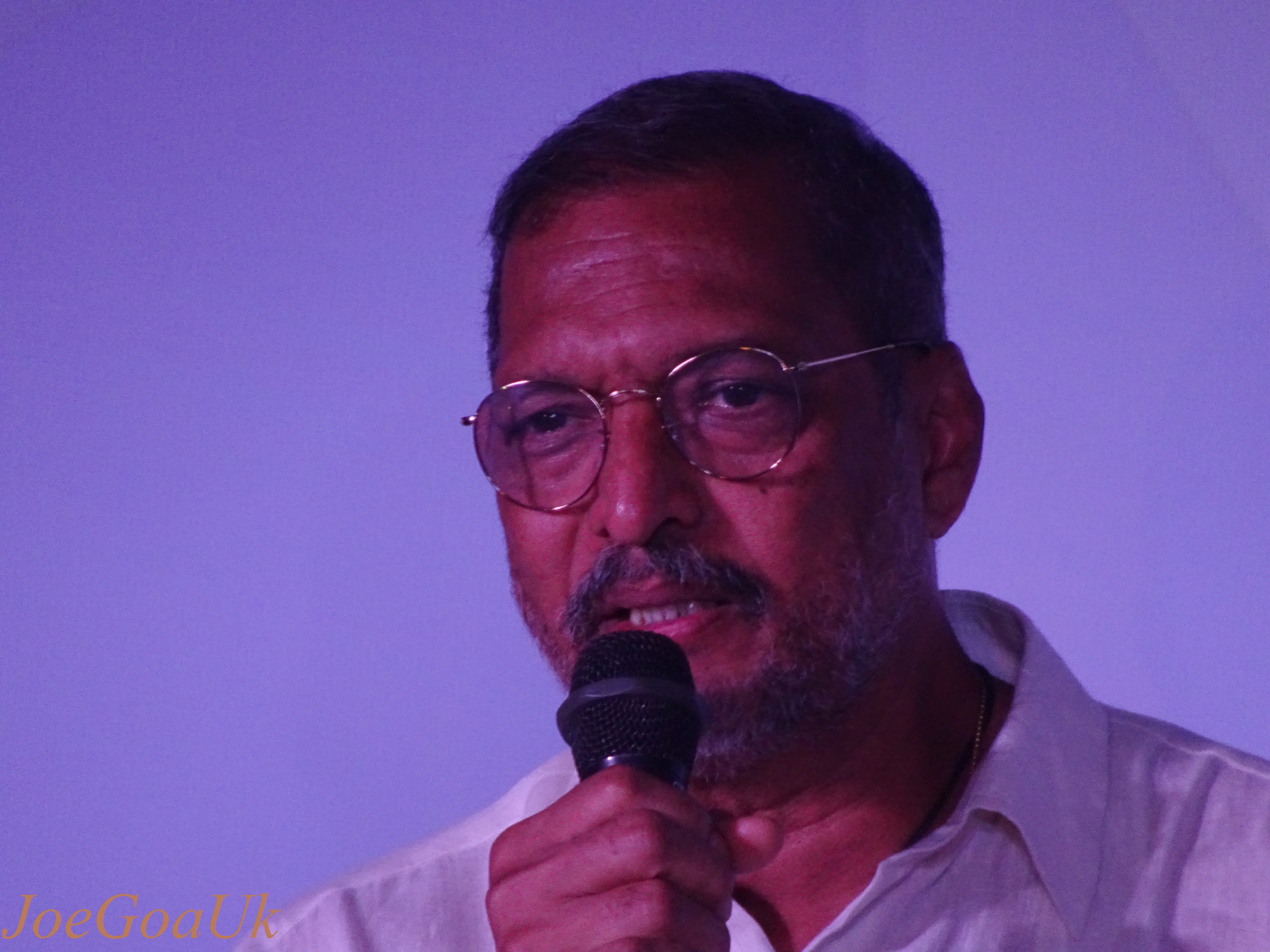
Image credit: joegoaukiffi3 / Wikimedia Commons (CC BY-SA 2.0)
**MUMBAI:** Nana Patekar, the acclaimed actor and filmmaker whose forceful performances left a distinctive mark on Hindi and Marathi cinema, died on Thursday, October 8, at the age of 75.
Patekar was found unresponsive at his home in Goa after experiencing discomfort and pain on his left side, according to accounts from hospital officials. An emergency team administered cardiopulmonary resuscitation before he was taken to Manipal Hospital in Dona Paula, where he was pronounced dead at 5:20am. Doctors described a cardiac arrest as the suspected cause of death, while a post-mortem examination was planned.
The Associated Press confirmed his death, citing the Press Trust of India and a doctor at the hospital. Tributes followed from across Indian cinema and public life. Prime Minister Narendra Modi remembered Patekar for the intensity, individuality and presence he brought to his roles, saying the characters he created would be remembered for generations.
A career built beyond convention
Born Vishwanath Patekar in Maharashtra in 1951, he did not follow the conventional path of a Bollywood leading man. His early work in Marathi theatre shaped a performance style grounded in voice, movement and emotional immediacy.
Patekar made his Hindi film debut in *Gaman* in 1978. Over the following decade, he moved through theatre, Marathi cinema and films associated with India’s parallel-cinema movement, where naturalistic performances and social themes often took precedence over glamour.
Mira Nair’s Oscar-nominated *Salaam Bombay!* brought him wider international recognition. His role in *Parinda* then established him as one of the industry’s most compelling performers, while *Krantiveer* showed that his uncompromising screen presence could carry a major commercial film.
His characters were frequently volatile, morally complicated or wounded. Even when he played men who were difficult to admire, he gave them a human weight that made them hard to ignore.
The voice audiences remembered
For many viewers, Patekar’s voice was as recognisable as his face. His dialogue delivery could shift from restraint to fury without losing its sense of control. He rarely relied on the polished image traditionally associated with mainstream film stars; the roughness and tension in his performances became part of his appeal.
That approach made his work in *Prahaar*, *Ab Tak Chhappan*, *Apaharan* and *Natsamrat* especially memorable. In *Natsamrat*, adapted from V. V. Shirwadkar’s celebrated Marathi play, he portrayed an ageing stage actor confronting loss, fractured relationships and the disappearance of the life he once knew.
Patekar was equally capable of comedy. His portrayal of the gangster Uday Shetty in *Welcome* introduced him to a younger generation and became one of the most widely remembered comic performances of his later career. The role worked because he brought the same seriousness to absurdity that he brought to drama.
National recognition
Patekar won three National Film Awards during his career, placing him among India’s most decorated screen performers. His honours recognised work across different phases of his career and reflected his ability to move between lead and supporting roles.
In 2013, the Indian government awarded him the Padma Shri for his contribution to the arts. He also received numerous industry awards for performances in Hindi and Marathi films.
His work extended beyond acting. He directed *Prahaar: The Final Attack*, contributed as a writer and performed playback singing for several productions. Theatre remained central to his artistic identity even after cinema made him a nationally recognised figure.
Work beyond the screen
Patekar was also known for work with farmers and rural communities. Alongside actor Makarand Anaspure, he helped establish the Naam Foundation, which supported families affected by agrarian distress and worked on water-conservation projects in Maharashtra.
His involvement was closely connected to drought, farmer debt and rural hardship, subjects he discussed publicly over many years. That work became another significant part of his public legacy, particularly in Maharashtra’s drought-affected regions.
His final hours in Goa
Patekar had remained active in public life. He attended an event in Dona Paula on October 4, days before his death.
The Times of India reported that he sent a message to a friend during the early hours of Thursday saying he felt unwell. When the friend reached the residence, an ambulance was called and medical personnel began CPR. Doctors continued efforts to revive him, but he did not respond.
India’s president, vice president and prime minister were among those who offered condolences, according to the country’s public broadcaster Akashvani.
A singular place in Indian cinema
Nana Patekar never fit neatly into one category. He was a theatre actor, a dramatic lead, a character performer, a director and, at times, one of mainstream Hindi cinema’s most memorable comic presences.
His career moved between Marathi and Hindi cinema, independent-minded films and large commercial productions. He did not need to dominate every scene to leave an impression; a pause, a stare or a sudden change in tone was often enough.
Patekar is survived by his wife and son. His death leaves behind nearly five decades of work and a performance style that belonged unmistakably to him.
Source links
Comments
No approved comments yet.