Middle East tensions keep oil firm as supply fears linger
Oil prices edged higher for a third straight session as stalled peace prospects around Iran and the Strait of Hormuz kept traders focused on supply risks
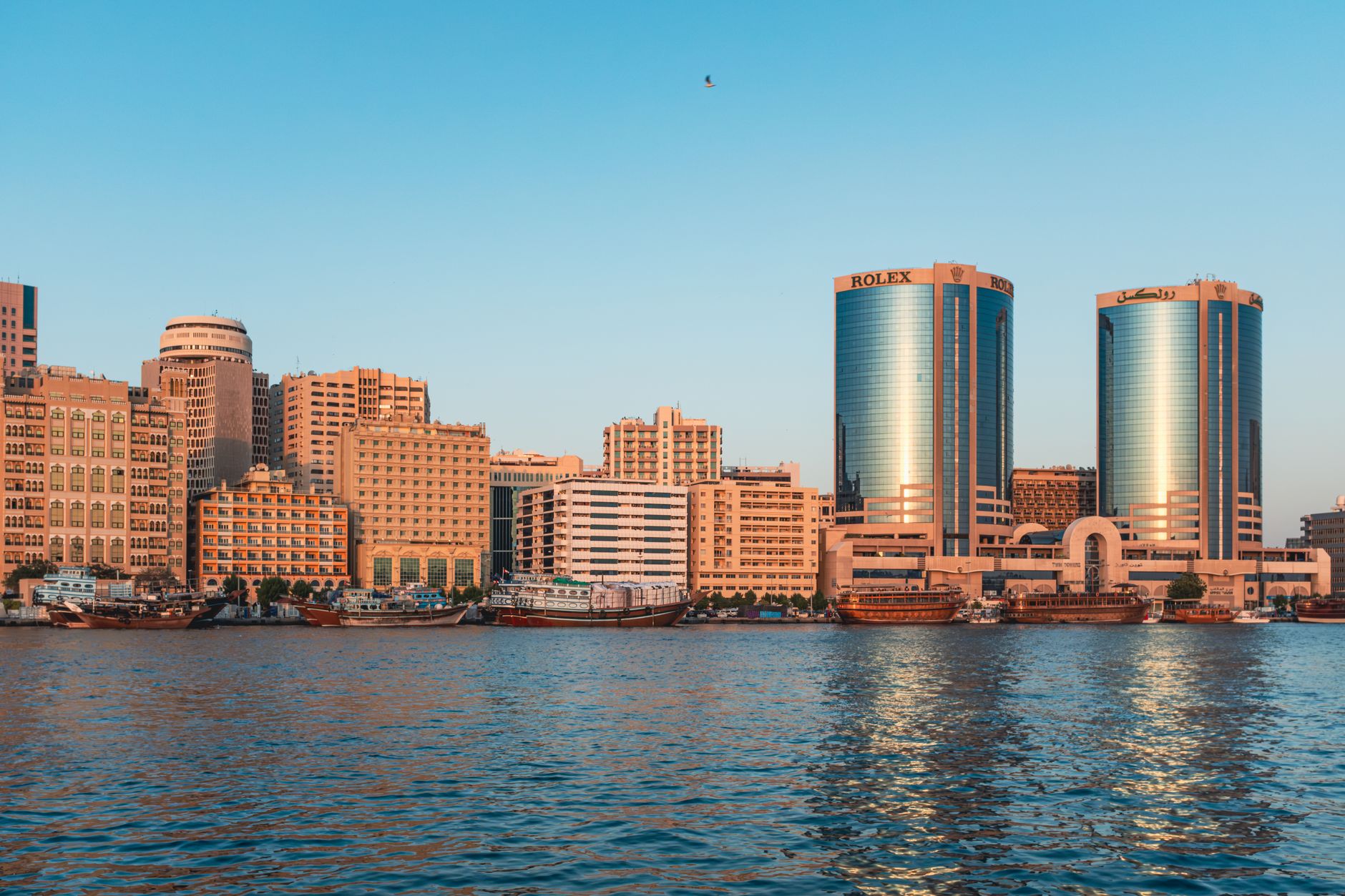
Image credit: Photo by Kirandeep Singh Walia on Pexels
Crude edges higher as diplomatic hopes fade
Oil prices inched up again on Tuesday, extending a run of modest gains as traders responded to weakening prospects for any settlement that could calm the wider Middle East conflict. The market was drawn back to the same central concern that has driven recent trading: the possibility that a prolonged confrontation could interrupt energy flows from one of the world’s most closely watched shipping corridors.
By 1031 GMT, Brent crude futures had risen 7 cents to $90.94 a barrel, while US West Texas Intermediate crude futures were up 53 cents at $85.03 a barrel. The moves were small in percentage terms, but they kept both benchmarks on the firm side after a session that briefly pushed them to their highest levels since July 30 for Brent and July 31 for WTI.
Reporting from the Express Tribune Business, as republished in the original market update, showed that the gains were not being driven by fresh supply outages, but by the risk that more serious disruption could lie ahead if diplomacy continues to stall.
Strait of Hormuz remains the key pressure point
The Strait of Hormuz is once again at the center of market attention. The source report said outward progress on peace talks and on the resumption of tanker traffic through the strategic waterway has halted, raising the danger that the conflict launched by the United States and Israel with attacks on Iran on February 28 could drag on longer than traders had hoped.
That concern was reinforced by comments from Iranian officials. Top negotiator Mohammad Bagher Ghalibaf said in comments published by state media on Tuesday that Iran would keep the Strait of Hormuz closed until the United States meets the conditions of the interim deal signed in June. Trump had earlier described that agreement as over.
A separate senior Iranian official told Reuters on Monday that Iran was moving to a fully offensive military posture as efforts toward a permanent end to the war had stalled. Together, the statements suggested that the political path toward de-escalation is narrowing rather than widening, which is why even small price gains are being interpreted as a warning sign by the market.
ING analysts said the tone remained supported by Trump’s decision not to extend the US-Iran peace agreement and by continuing security concerns in the Strait of Hormuz. Their view matched the broader market reaction: traders are not simply pricing in what is happening today, but also the possibility that the region could remain unsettled for longer than previously expected.
Analysts see longer-term implications if talks stay stalled
The risk is not limited to the immediate trading session. DBS Bank head of energy research Suvro Sarkar said the absence of any kind of deal could influence oil price expectations further out in the fourth quarter and even into 2027. That assessment points to a market that is beginning to consider not just whether flows are disrupted now, but whether persistent uncertainty can support prices well beyond the current crisis.
SEB analyst Bjarne Schieldrop said Iran may have the power to fully stop the flow of oil through the Strait of Hormuz whenever it finds it suitable. That possibility is one reason the market response remains sensitive even to limited diplomatic setbacks. The source text also noted that some oil is still getting through the waterway, though volumes are described as single digits, underscoring how fragile current movements remain.
There are signs that producers and shippers are trying to adapt. Saudi Aramco has resumed oil loadings from inside the Strait of Hormuz and is offering cargoes for loading through ship-to-ship transfers off Fujairah in the United Arab Emirates. Those steps suggest traffic has not stopped entirely, but they also reflect a willingness to reroute and work around risks rather than assume normal conditions will quickly return.
Other flashpoints keep energy traders cautious
The broader regional picture is adding to the unease. Iran has been in discussions with Oman about an agreement to manage the Strait of Hormuz and says those talks are close to a deal. But Trump responded to those talks with a threat to bomb Oman, a longtime US security partner. The exchange shows how even efforts to manage shipping risks can become entangled in the wider political confrontation.
Separately, tensions in the Red Sea also remain active. Yemen’s Houthis said on Telegram that they launched missiles in an attack on vessels they described as a Saudi military ship and four escorts. That development adds another layer of concern for shipping and energy market participants already watching the Strait of Hormuz.
For now, the crude market is being pulled higher not by a single shock, but by a cluster of unresolved risks: stalled diplomacy, hostile rhetoric, threatened shipping lanes and the possibility of further military escalation. That combination is enough to keep Brent and WTI near recent highs, even as actual flows continue in reduced form. If negotiations do not improve, traders appear increasingly prepared for the idea that supply worries may remain a feature of oil pricing well into the coming quarters.
Source links
Comments
No approved comments yet.