How Green Is Andy Burnham? Britain's New PM Faces Tough Climate Choices
Heatwaves, high energy prices and calls for reindustrialisation and North Sea drilling all rank high on the to-do list facing Andy Burnham as he becomes Britain's next prime minister.
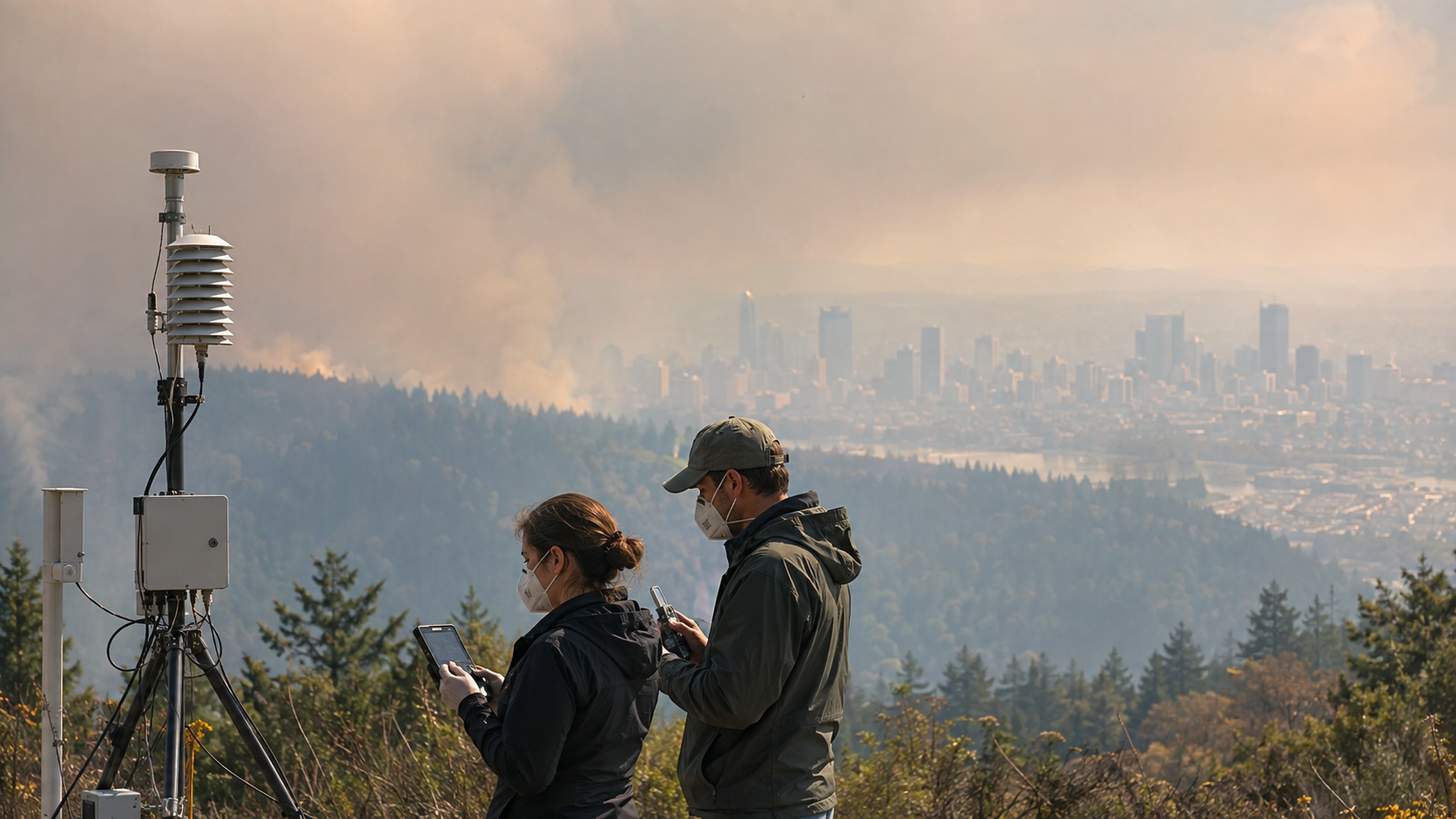
Wildfires cast a pall of smoke this week over Greater Manchester, whose former mayor is about to inherit a set of climate decisions with far higher stakes than anything he managed at the regional level.
A Symbolic Backdrop
Wildfire smoke settling over Greater Manchester just as Andy Burnham prepares to become prime minister offers an almost too-fitting symbolic backdrop to the climate policy challenges now awaiting him, a visible, immediate reminder of the same warming-driven extreme weather trends shaping his in-tray on a national scale. That timing places Burnham's incoming premiership directly in the shadow of exactly the kind of climate impact debate he will now need to navigate at the national policy level.
The Competing Pressures He's Inheriting
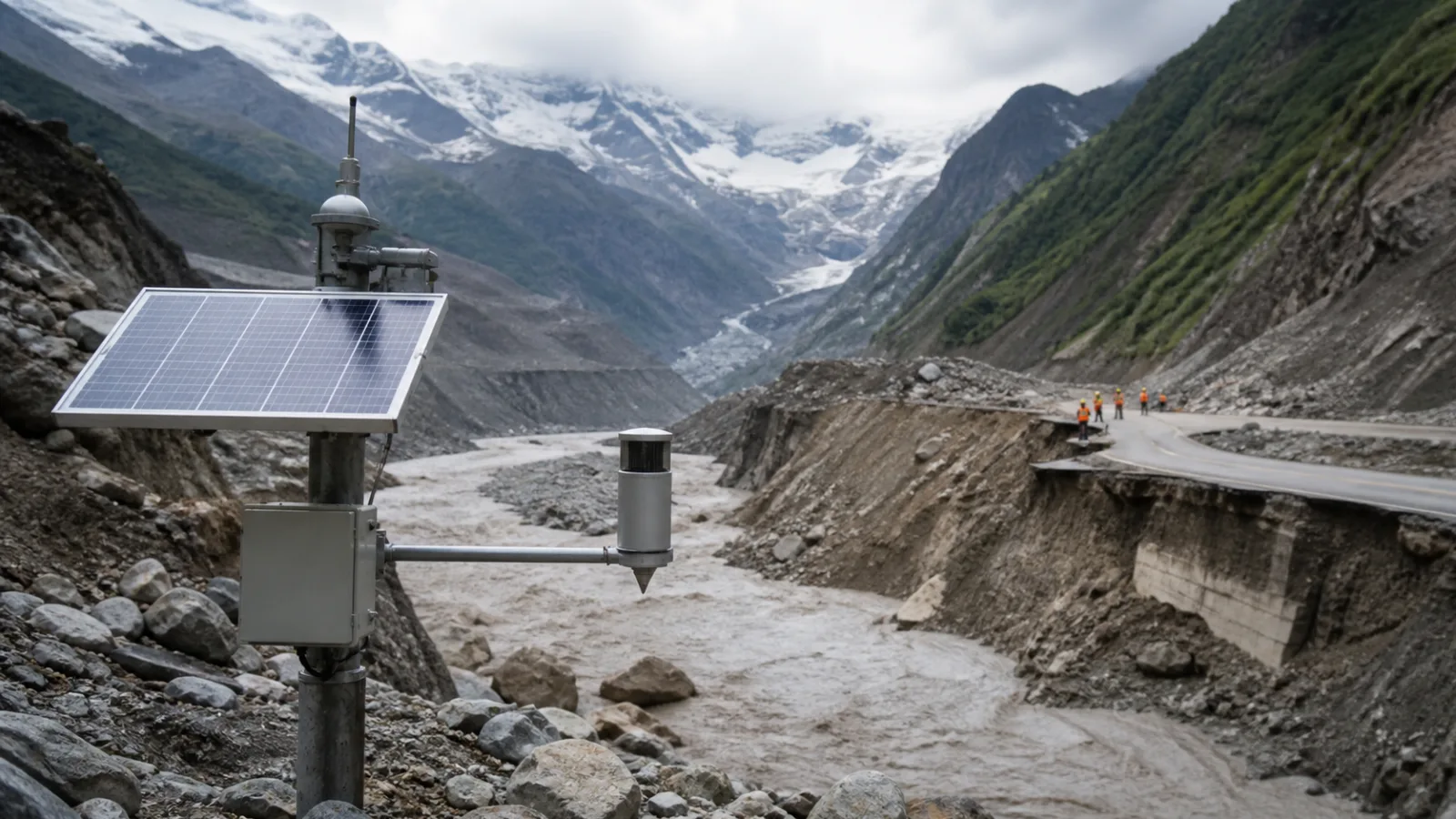
Burnham's climate-related to-do list includes managing the fallout from heatwaves, addressing persistently high energy prices, and responding to calls for both reindustrialisation and continued North Sea oil and gas drilling, priorities that do not all point in the same policy direction. Reconciling calls for reindustrialisation and continued fossil fuel drilling with the broader climate commitments any UK government nominally maintains represents exactly the kind of politically difficult balancing act that has repeatedly complicated UK climate policy under previous governments too.
Why Energy Prices Complicate Climate Ambition
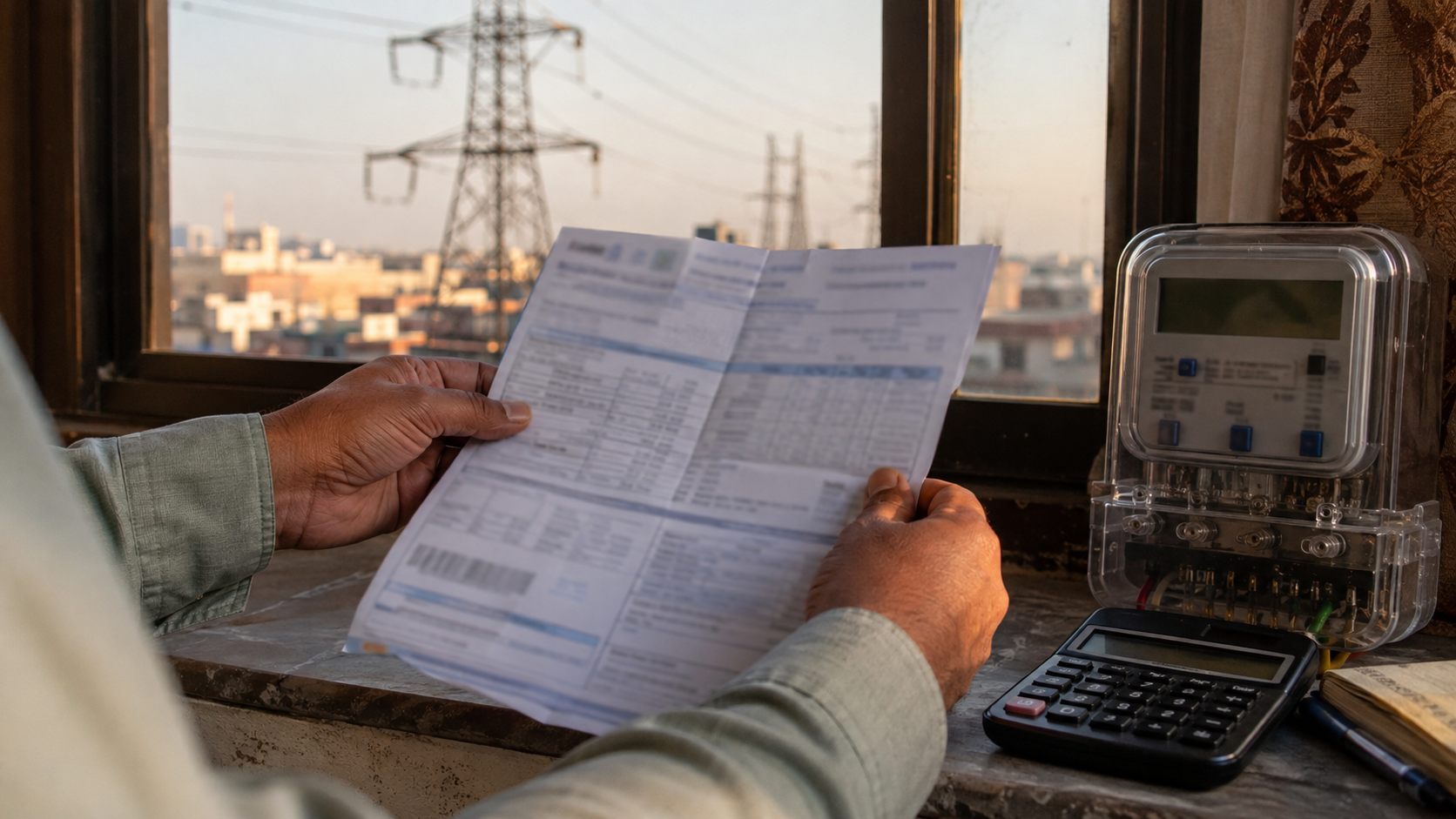
High energy prices create direct political pressure to prioritize affordability and energy security, sometimes at the expense of the more ambitious decarbonization timeline climate advocates want to see maintained, since expanding domestic fossil fuel production is often framed as a faster, more politically palatable route to lower prices than accelerating the renewable transition alone. Burnham will need to decide how much weight to give that affordability argument against the climate commitments his government will still be expected to uphold.
The North Sea Drilling Question Specifically
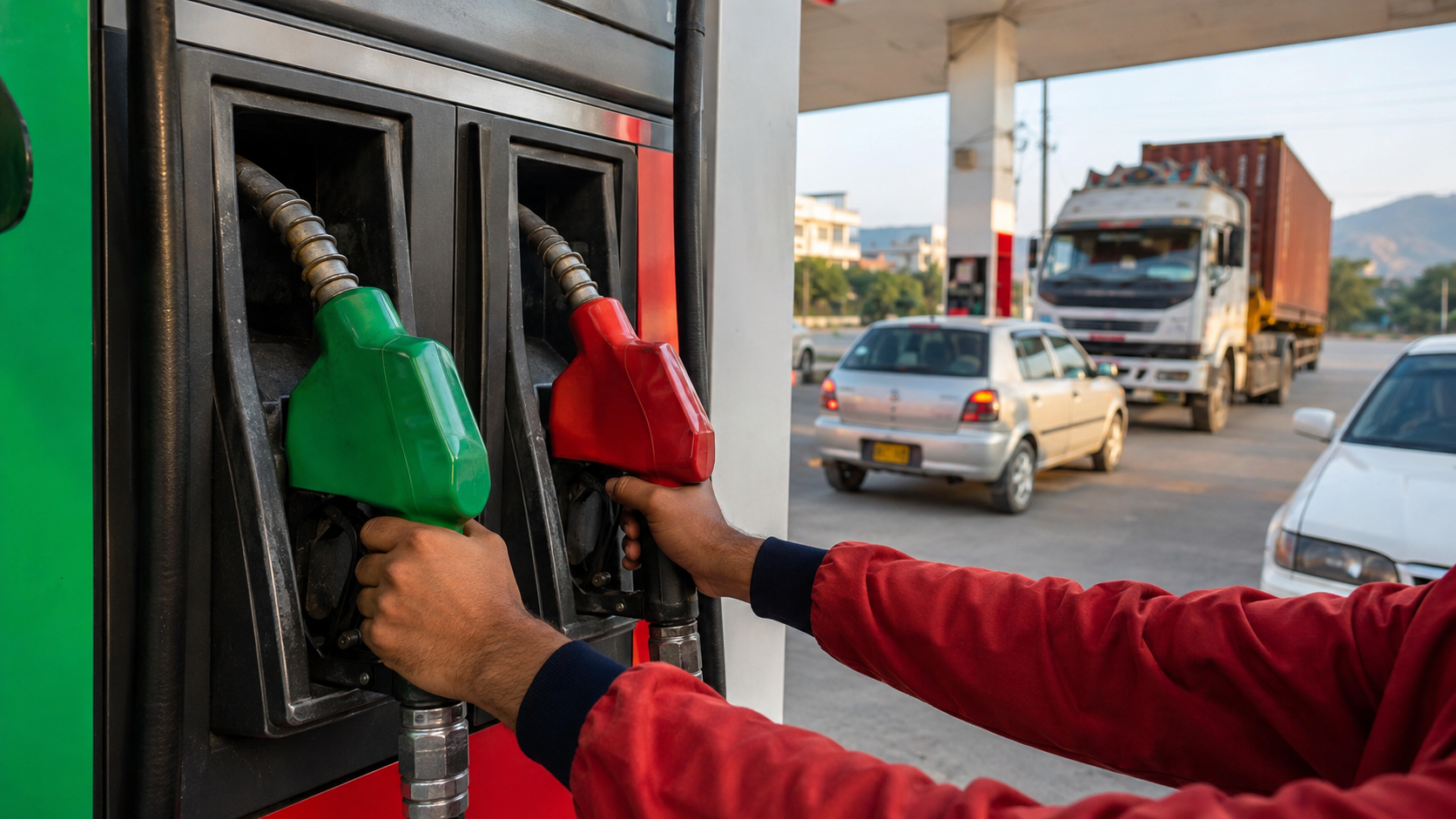
Calls for continued or expanded North Sea drilling put Burnham in a position similar to the one his predecessor faced, weighing energy security and domestic industry arguments against climate advocates who argue any new fossil fuel development is incompatible with UK climate targets. How Burnham navigates specific, high-profile projects like the Rosebank oilfield, itself facing its own operational delays and licensing questions, will serve as an early, closely watched signal of where his government's climate priorities actually sit in practice rather than just in rhetoric.
What His Manchester Background Suggests
As Greater Manchester's former mayor, Burnham has direct, firsthand experience with regional climate adaptation challenges, including the kind of extreme heat and wildfire risk now visibly affecting his former constituency, experience that could inform a more climate-attentive national approach, though regional mayoral power differs substantially from the scope of decisions available to a prime minister balancing national energy security and industrial policy simultaneously.
What Comes Next
Burnham's early policy decisions on energy pricing, North Sea licensing and reindustrialisation plans will offer the clearest, fastest signal of how seriously his government intends to weigh climate considerations against the competing economic and energy security pressures now landing on his desk. With wildfire smoke already drifting over the region that shaped his political career, the symbolic stakes of getting this balance right have rarely felt more immediate for an incoming UK prime minister.
Comments
No approved comments yet.