Houthi Rebels Attempt to Strike Riyadh: A New Chapter in Iran News
Saudi Arabia alleges attempted missile strike by Houthis on Riyadh, marking a significant escalation in Iran news related to regional conflicts

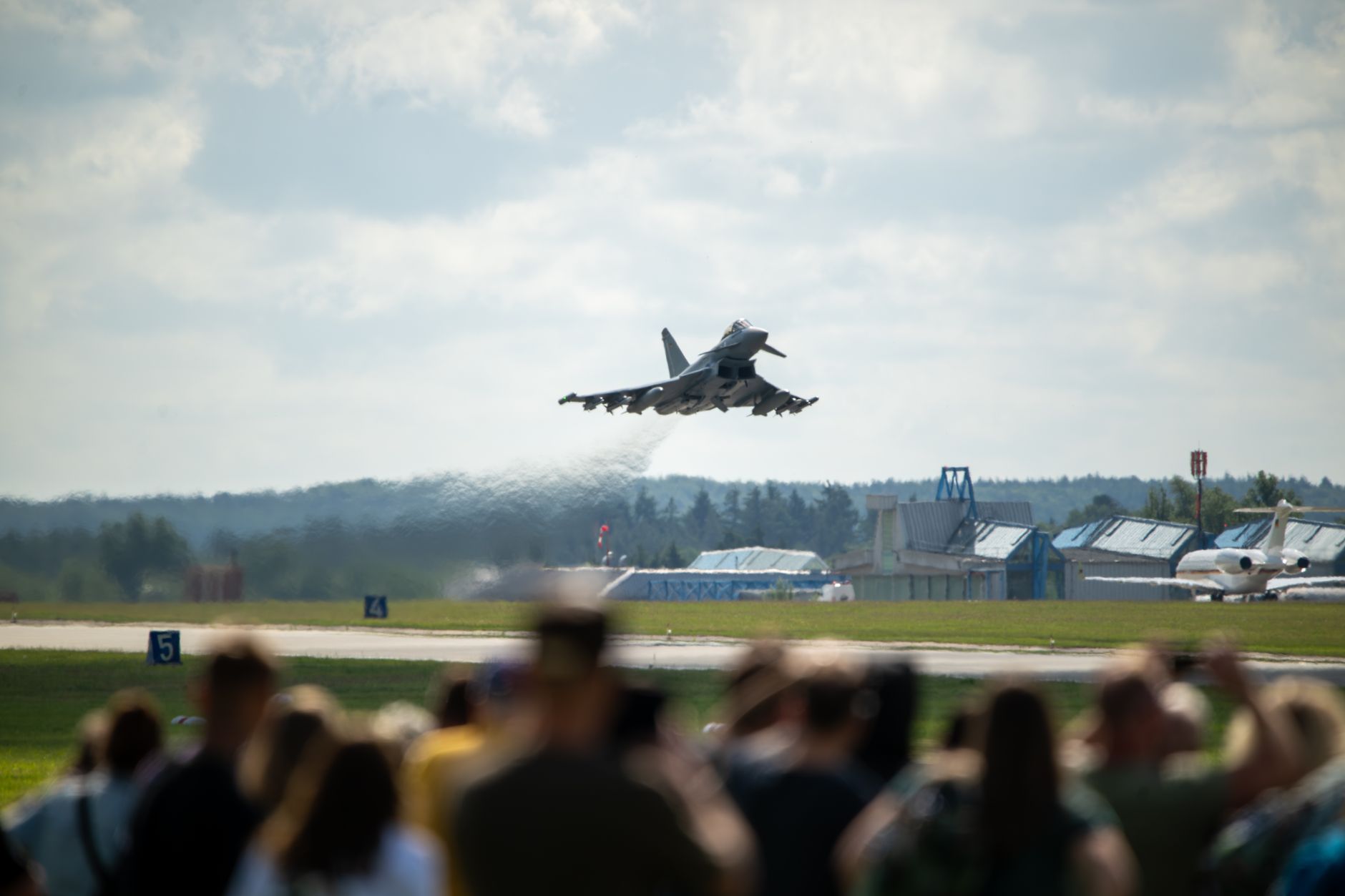
Image credit: Photo by Noor Aldin Alwan on Pexels
Key Developments
On Saturday, Saudi Arabia disclosed that Houthis attempted to launch a ballistic missile at Riyadh, marking a troubling escalation in ongoing regional conflicts involving Iran-supported groups. This incident represents a significant moment, as it is the first missile strike aimed at Riyadh since the flare-up of tensions with the Iran-backed rebels that has opened a new front in the Iran war. Such actions signal the volatility in the Middle East and underline the potential for broader conflict.
The Saudi government has condemned the attempted attack, viewing it as an aggressor's move that jeopardizes not only Saudi security but also the stability of the entire region. The use of ballistic missiles by the Houthis, an armed group operating from Yemen, reflects their increasing capabilities and willingness to directly challenge Saudi infrastructure.
Background
The Houthis have been entrenched in a prolonged conflict in Yemen for years, receiving both military and financial support from Iran. The situation escalated significantly when direct actions against Saudi territory began, pushing the bounds of warfare into the realm of aerial combat through missile technology. Previous attempts to reach Saudi soil have been documented, but this latest incident compounds the urgency for Saudi Arabia and its allies to bolster their defensive measures.
The dynamics of the Iranian influence on the Houthis underscore a larger proxy battle that has become a hallmark of regional politics. Observers note that Iran’s backing provides the Houthis with resources to sustain their operations, deeply intertwining regional stability with the geopolitical tug-of-war between Iran and Saudi Arabia.
Response from Riyadh
In response to the missile attack attempt, Saudi Arabia has ramped up its air defense systems, actively engaging in intercepting threats before they reach critical infrastructure. The Kingdom has long maintained a defensive posture against Houthi advancements, positioning itself as the regional bulwark against Iranian expansionism.
Saudi officials have stated that these actions reflect a terrorist mindset promoted by the Houthis, which they argue threatens not only Saudi sovereignty but also the safety of civilians in the region. This assertion has been met with concern, particularly regarding the impact on global oil markets and the international community's focus on stability in the Gulf.
Potential Implications
The attempted attack on Riyadh has several implications for the broader region. First, it heightens tensions between Saudi Arabia and Iran, as each nation maneuvers to gain control and influence over neighboring states, particularly in Yemen. Additionally, it can influence international diplomacy, as nations like the United States and European powers monitor developments closely, understanding the potential for unilateral responses to increased hostility.
The incident also poses challenges for those looking for a peaceful resolution to the war in Yemen, as escalated military actions may pivot the focus away from negotiations towards a more militarized solution. The humanitarian crisis primarily affecting Yemeni civilians could worsen if fighting escalations continue in the region.
Conclusion
As Saudi Arabia confronts the ramifications of this missile attack attempt, Iran news becomes increasingly pertinent. The determination of the Houthis to strike at the heart of Riyadh exemplifies the evolving threat landscape in the Middle East, compelling regional powers and external observers to re-evaluate their strategies. Continuous hostilities not only risk sparking a larger confrontation but also threaten the delicate balance of power and humanitarian conditions in Yemen. This development is critical as it heralds a new phase in Middle Eastern geopolitics, one where the line between military confrontation and diplomatic engagement is becoming increasingly blurred.
Source links
Comments
No approved comments yet.