NASA reviews astronaut blood-flow data for VTE score
NASA has begun a focused review tied to astronaut blood-flow research as it continues work on establishing a VTE risk score for astronauts algorithm. According to NASA Breaking News, the agency’s Office of the Chief…
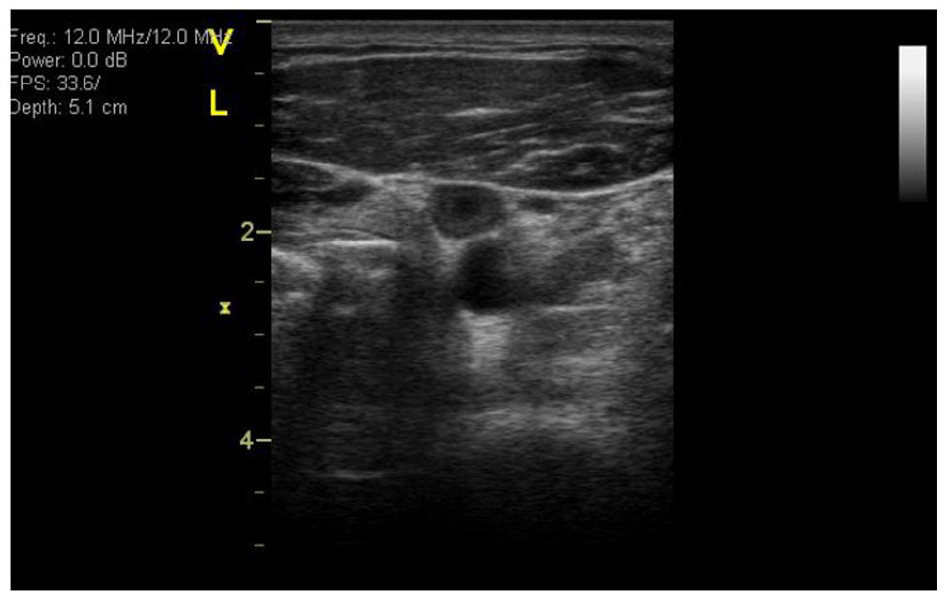
NASA has begun a focused review tied to astronaut blood-flow research as it continues work on establishing a VTE risk score for astronauts algorithm. According to NASA Breaking News, the agency’s Office of the Chief Health and Medical Officer launched a working group in April 2026 to examine updated venous thromboembolism case information and discuss progress on the effort.
Establishing a VTE risk score for astronauts algorithm
The review is centered on two pieces of evidence identified in the source material: refreshed case information involving VTE, the medical term for venous thromboembolism, and additional data that showed altered blood flow status within a cohort of astronauts. NASA has not provided further detail in the supplied metadata about the size of the cohort, the nature of the alterations, or any conclusions reached by the group.
Even so, the initiative points to an ongoing medical and operational concern in human spaceflight. Astronaut health research often has to account for conditions that are different from those on Earth, and blood-flow changes are one example of the kinds of physiological issues that can matter during space missions. A structured risk score can help consolidate evidence into a clearer framework for evaluation, which is likely why NASA is discussing progress on the algorithm now.
Why the review matters
The source material indicates that the working group was established to bring together updated case information and newly gathered data. That suggests NASA is trying to refine how it assesses risk rather than relying on older or incomplete information. In space medicine, that kind of review can be important because even limited changes in physiology may affect how agencies monitor crew health, plan missions, or interpret medical findings.
The reference to altered blood flow status within a cohort of astronauts is especially relevant because it shows the review is not abstract. It is based on additional data, which implies the agency is evaluating real observations rather than only theoretical concerns. However, the available material does not say whether the findings have changed any medical guidance or operational procedures.
NASA Breaking News describes the effort as a discussion of progress, which means the algorithm work is ongoing. The source does not identify a completion date, publish a final risk score, or announce any formal recommendation. For now, the clearest takeaway is that NASA’s health office is actively examining the latest available information to support a more precise approach to astronaut VTE risk assessment.
What happens next
Based on the supplied source material, the next step is continued review by the working group. No additional milestones were provided, and NASA has not released outcome details in the metadata supplied here. That leaves the project in an intermediate stage: active, data-driven, and still in development.
For space medicine researchers and mission planners, this kind of work is significant because risk assessment is a core part of keeping crews safe. A more refined VTE risk score could eventually help organize how astronaut health data is interpreted, but the source does not confirm any final product yet.
As described by NASA Breaking News, the project remains centered on reviewing updated case information, considering the newer blood-flow findings, and tracking progress on the algorithm designed for astronaut risk evaluation.
Comments
No approved comments yet.