DG ISPR Says Makkah Defence Pact Is Defensive
## DG ISPR frames pact as a defensive arrangement Inter-Services Public Relations Director General Lieutenant General Ahmed Sharif Chaudhry has described the Makkah Defence Alliance between Pakistan, Saudi Arabia and…
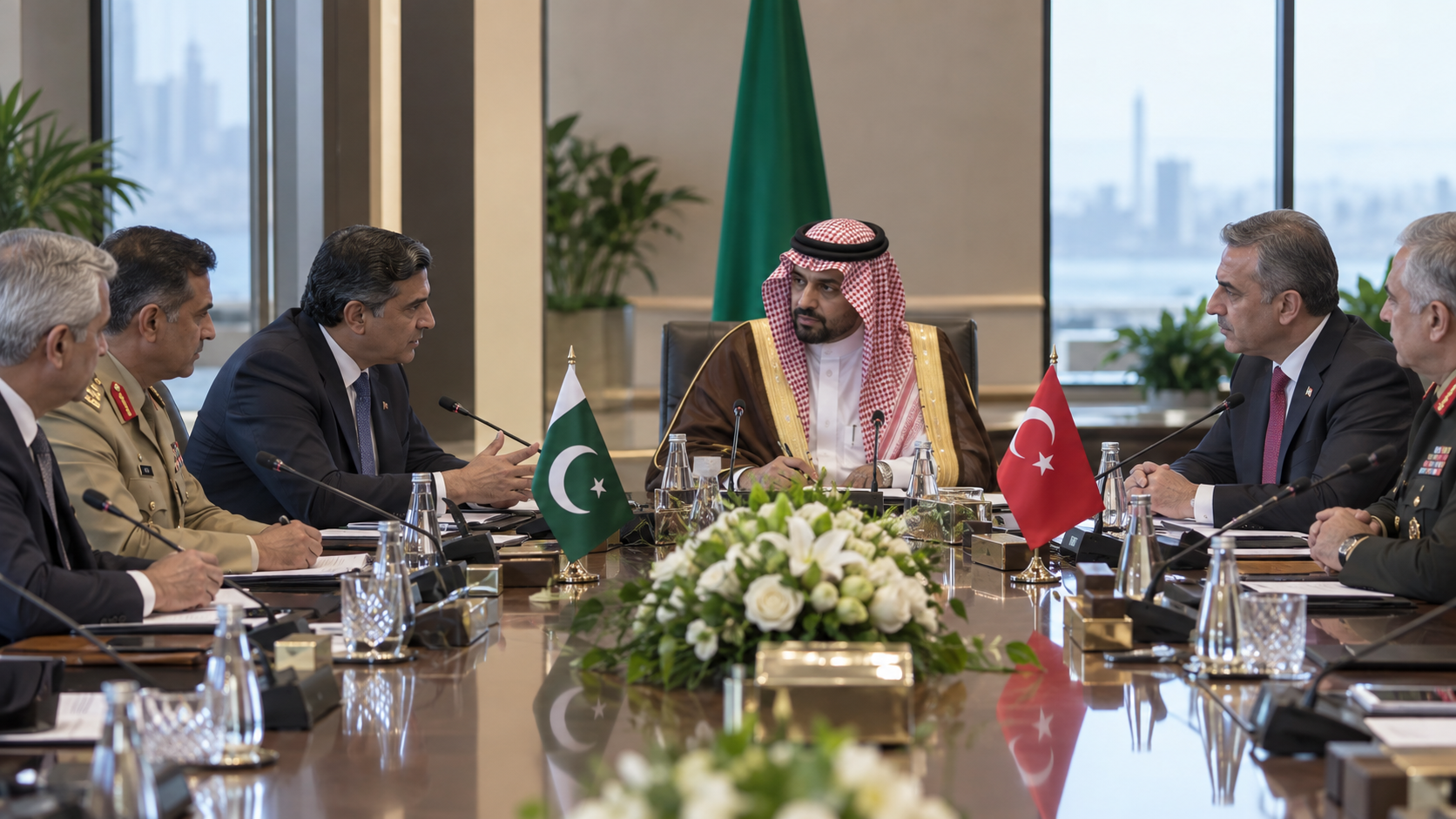
Image credit: AI-generated editorial image / Novexa News
DG ISPR frames pact as a defensive arrangement
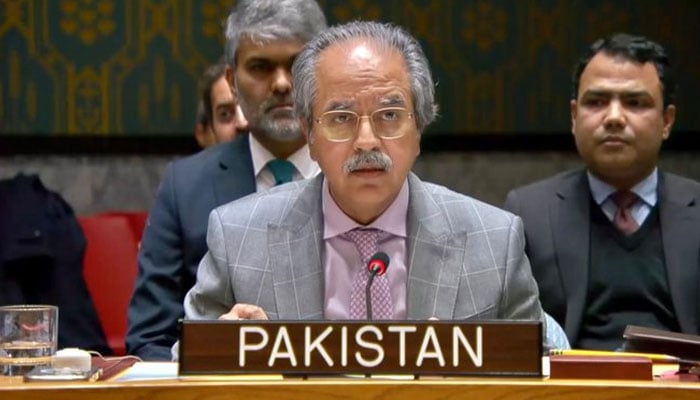
Inter-Services Public Relations Director General Lieutenant General Ahmed Sharif Chaudhry has described the Makkah Defence Alliance between Pakistan, Saudi Arabia and Turkiye as a defensive framework built around collective deterrence and regional stability. In an interview with Al Arabiya English, he said the arrangement should not be read as an aggressive bloc or as a move aimed at any particular country.
The military spokesperson said the pact formalises long-running strategic ties between the three states in the area of collective defence. His main message was that the agreement is designed to strengthen coordination and deterrence without creating what he called regional ambitions or an offensive agenda.
What collective deterrence means here
Collective deterrence usually means that states coordinate their security posture so that an attack or pressure against one partner carries wider political and military consequences. Lt Gen Chaudhry said the agreement was built around that principle, but he avoided spelling out operational procedures or response thresholds.
That restraint matters. Defence agreements often contain public political language while leaving the exact military mechanics to governments, commanders and security institutions. The ISPR chief said the public text explains the nature of the commitment, while specific response procedures would remain within the decision-making framework of Pakistan, Saudi Arabia and Turkiye.
No clash with Pakistan's China ties, spokesperson says
One question raised after the pact was whether it could complicate Pakistan's strategic relationship with China. Lt Gen Chaudhry rejected that reading, saying Islamabad's ties with Beijing remain compatible with the new framework. He also pointed out that Saudi Arabia and Turkiye have their own strong relationships with China.
The argument being advanced by Pakistan is that the pact is complementary rather than competitive. In that telling, Islamabad can maintain its existing defence, diplomatic and economic partnerships while building a separate regional security arrangement with Riyadh and Ankara.
Not presented as a Muslim-world military bloc
The spokesperson also pushed back against the idea that the agreement should be seen as an exclusive Muslim-world alliance. He said its stated purpose was regional peace, non-aggression, non-interference and stability, rather than identity-based bloc politics.
He left open the possibility that other partners could be considered in the future, but said any such decision would rest with the leadership of the participating countries. That language keeps the door open without turning the pact into a declared expansion project.
Regional conflicts remain part of the backdrop
The interview came at a time of rising regional tension, including the conflict involving the United States and Iran and renewed Houthi attacks linked to Yemen's war. Lt Gen Chaudhry said the Makkah framework would not prevent Pakistan from pursuing mediation or diplomatic engagement where it believes it can support a negotiated outcome.
He also said Pakistan remained confident in its ability to defend its sovereignty and territorial integrity if conflict pressures reached its western borders. At the same time, he linked Pakistan's broader security interest to regional peace, economic development and stability.
India, Afghanistan and counterterrorism also discussed
The DG ISPR said communication with India remained important, including through established military channels, while broader political dialogue would remain a matter for civilian leadership. On Afghanistan, he said Pakistan's objective was to prevent cross-border terrorism and interference from Afghan territory.
He also cited ongoing counterterrorism operations inside Pakistan, saying tens of thousands of intelligence-based operations had been conducted during the year. According to the figures presented in the interview, more than 2,100 terrorists had been killed, with a large share of operations taking place in Balochistan.
The remarks clarify Pakistan's public position on the Makkah pact: a security framework presented as defensive, complementary and rooted in deterrence, while Islamabad tries to preserve diplomatic space with major partners and manage several regional fault lines at once.
Source links
Comments
No approved comments yet.