China Urges EU to Avoid Trade War as Wang Yi Speaks With German Counterpart
China urges Europe to settle commercial disputes through dialogue as Wang Yi and Germany's Johann Wadephul discuss trade and security.
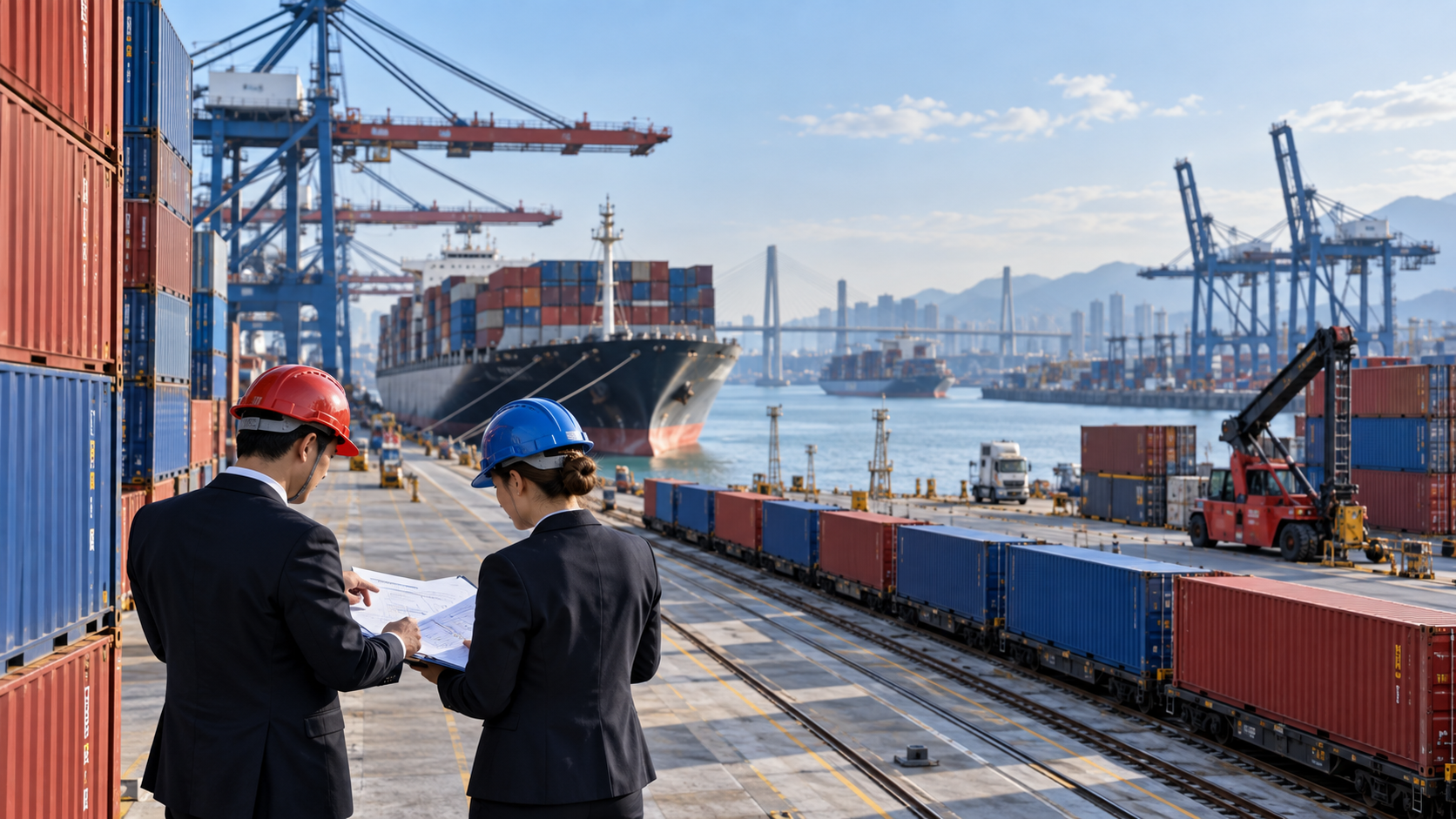
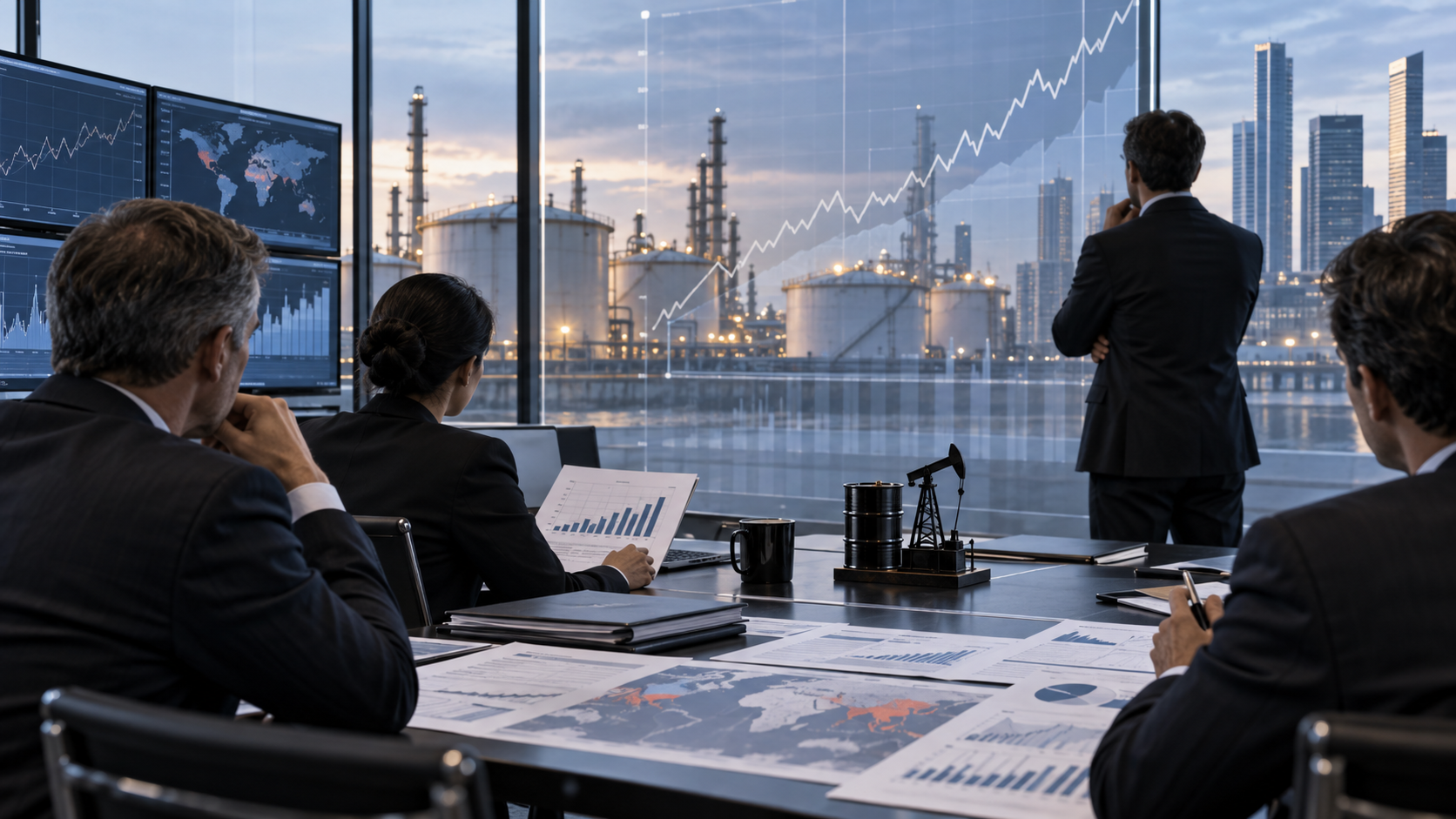
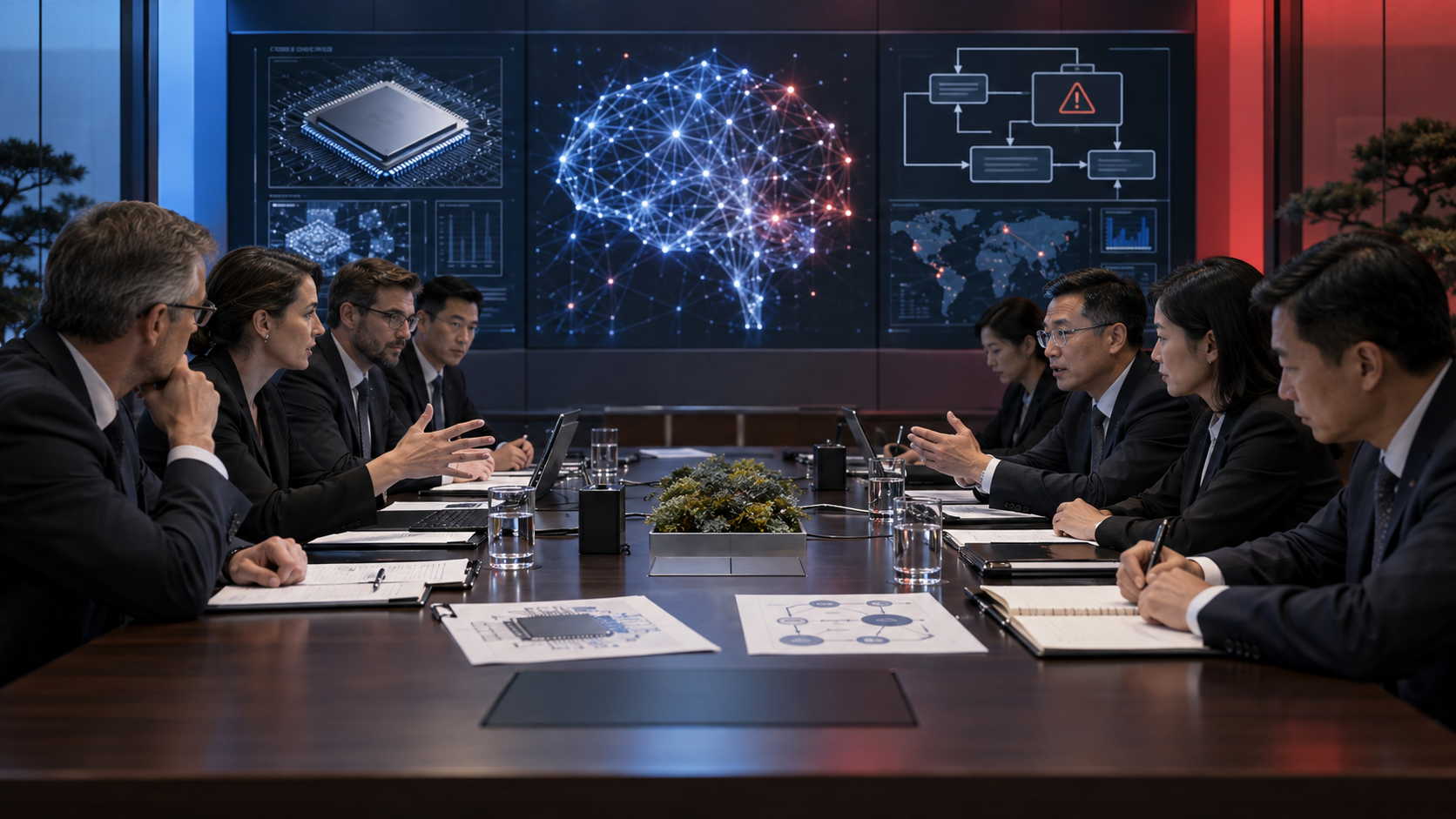
Image credit: AI-generated editorial illustration by OpenAI
China has urged the European Union to resolve commercial disputes through dialogue and avoid a wider trade confrontation, following a telephone conversation between Foreign Minister Wang Yi and German Foreign Minister Johann Wadephul.
The call placed Germany's role at the centre of an increasingly difficult China-EU economic relationship. Beijing wants Berlin to encourage consultation inside the bloc, while Germany is pressing China for fairer market conditions and more predictable rules for European companies.
According to Xinhua's account, Wang said China and Europe should manage differences through communication and safeguard free trade. He argued that a tariff conflict would damage both sides at a time of weak global growth and heightened geopolitical uncertainty.
Wadephul emphasised the need for fair competition and a level playing field. Germany also supports continued high-level exchanges and government consultations, reflecting the depth of economic ties even as disputes over subsidies, industrial policy and market access become more prominent.
Germany's pivotal position
Germany is Europe's largest economy and one of China's most important trading partners in the region. Bilateral goods trade is valued at roughly 252 billion euros, linking German manufacturers, Chinese suppliers and consumers across automotive, machinery, chemicals, electronics and clean-energy industries.
That exposure gives Berlin a strong interest in preventing abrupt disruption. German companies depend on the Chinese market, but many have also raised concerns about regulatory barriers, pressure from heavily supported local competitors and the treatment of foreign investment.
China, meanwhile, views Germany as a potential moderating influence in EU debates over tariffs and economic security. Beijing has criticised European trade-defence actions as protectionist and says they risk provoking retaliation and fragmenting global supply chains.
The EU argues that some interventions are necessary when imported products benefit from distortive state support or when strategic dependence creates economic risk. Its approach increasingly combines traditional trade policy with scrutiny of investment, technology transfers and supply-chain resilience.
Dialogue amid unresolved disputes
The conversation did not announce a settlement to any specific dispute. Instead, it underscored a shared preference for keeping formal channels open while the two sides defend different views of what constitutes fair competition.
For Beijing, the priority is to prevent temporary disagreements from developing into broad restrictions across multiple sectors. For Berlin and Brussels, dialogue must produce practical movement on market access, transparency and reciprocal treatment rather than simply delay difficult decisions.
The two ministers also discussed the wars in Ukraine and the Middle East, including Iran, as well as Taiwan. Those subjects show how economic relations are now inseparable from security policy. European governments increasingly assess trade with China through the wider questions of sanctions enforcement, technology security and geopolitical alignment.
China maintains that Taiwan is an internal matter and objects to foreign involvement. Germany follows the EU's one-China policy while supporting peace and stability across the Taiwan Strait. Differences on the issue remain a recurring source of tension in European contacts with Beijing.
On Ukraine, European governments have urged China to use its influence with Russia and avoid support that could sustain Moscow's war effort. China presents itself as favouring negotiations and rejects accusations that its normal trade amounts to military assistance.
Stakes for global supply chains
A full trade war between China and the EU would reach far beyond bilateral commerce. Tariffs and countermeasures could raise costs for electric vehicles, batteries, industrial equipment and consumer goods while forcing companies to reorganise supply chains.
Businesses are already adapting to export controls, investment screening and efforts to reduce dependence on single suppliers. Additional restrictions would accelerate that process, but they could also slow investment and complicate Europe's industrial and climate goals.
The Wang-Wadephul call therefore served two purposes: containing immediate political friction and preparing the ground for future consultations. It did not remove the disagreements over state support or market access, but it signalled that both governments see value in negotiating before disputes spread.
Whether Germany can bridge the gap will depend partly on coordination with other EU members and the European Commission, which conducts the bloc's trade policy. Berlin can advocate engagement, but any durable arrangement will need to satisfy wider European concerns while giving China confidence that negotiated outcomes will be respected.
For now, the message from both capitals is cautious rather than conciliatory. China wants Europe to step back from confrontation; Germany wants rules that its companies consider genuinely fair. The next round of high-level contacts will show whether those positions can be converted into specific compromises.
Source links
Comments
No approved comments yet.